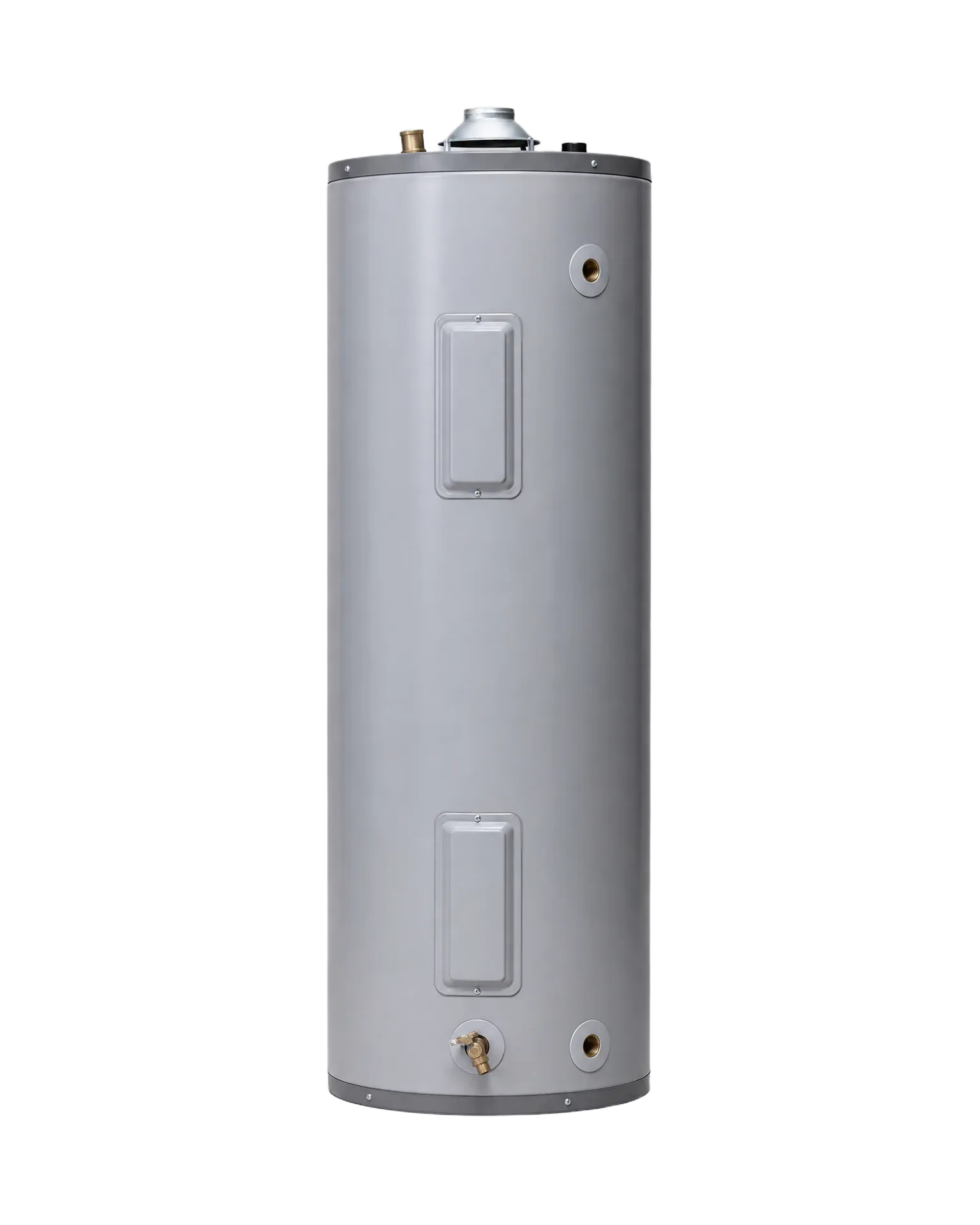
Once a year
That's the flush interval that keeps sediment from building up faster than it drains, for most homes on Manhattan's water.
Once a year is the right interval for most homes in Manhattan and Riley County. Flushing means draining the tank to clear out the sediment that settles at the bottom, and that sediment matters more here because most houses run on gas, and a gas water heater fires a burner right under the tank. Sediment sitting on that bottom surface blocks the heat from reaching the water, so the burner runs longer to do the same job, and over time that layer can scorch and harden, which is harder to clear once it sets. A yearly flush keeps the tank clean enough that the burner isn't working against a layer of buildup. If your water heater came with the house and nobody's flushed it yet, that's worth checking before you set a schedule. Skip a year or two and the fix is still the same flush, just a longer one.
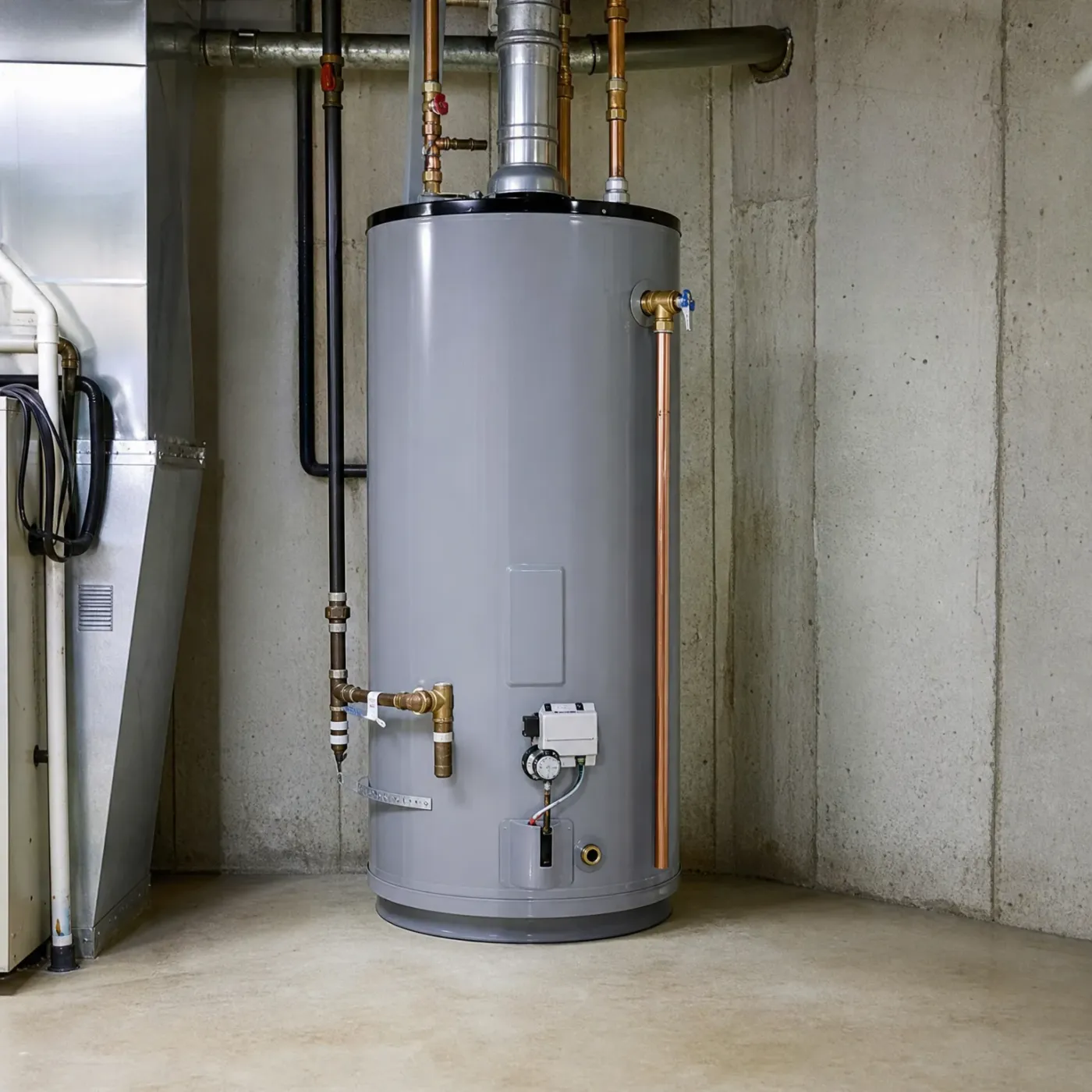
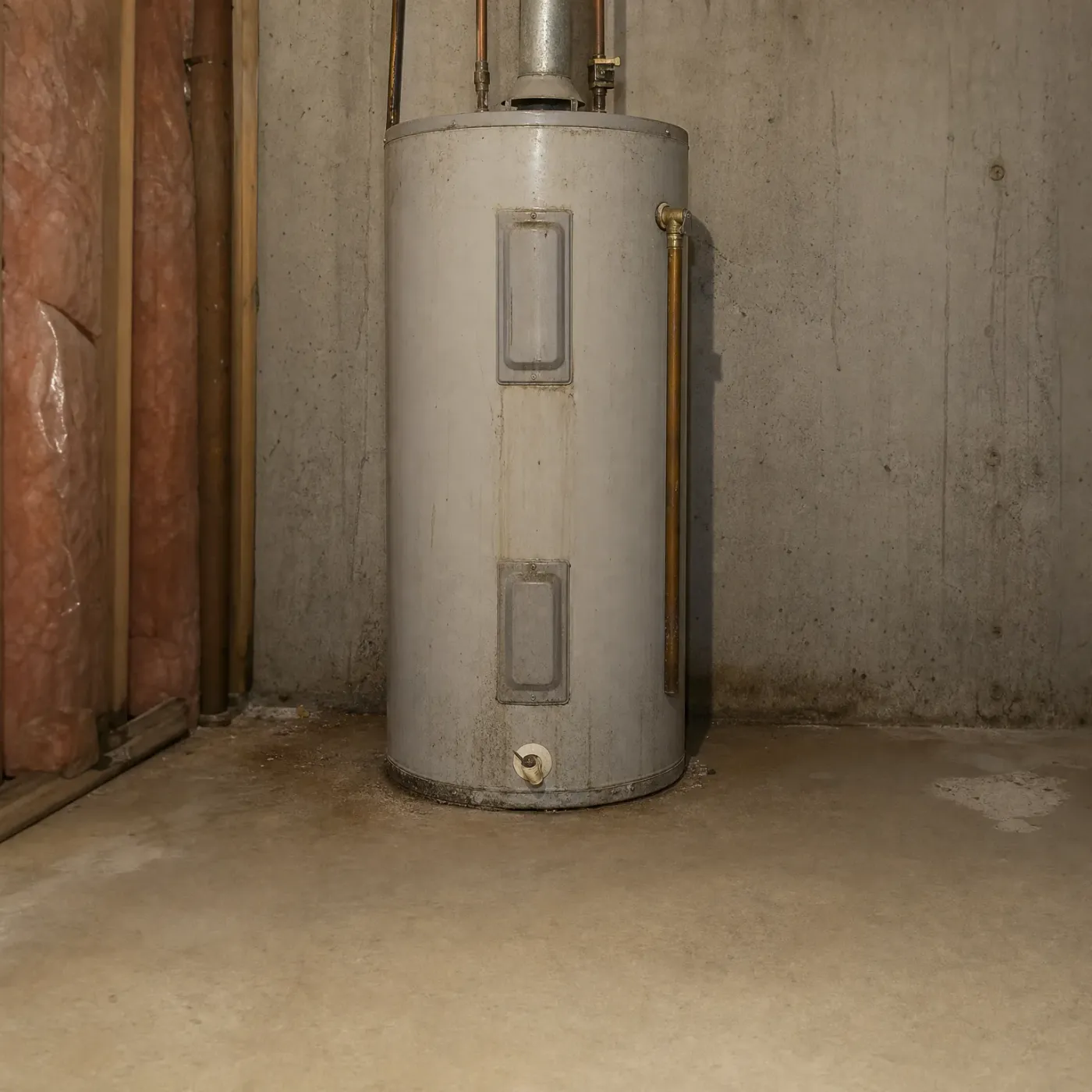
The burner sits underneath the tank, so whatever settles on the bottom sits right where the flame does its work. What settles is mostly minerals that drop out of the water once it's heated, and how much you get depends on how hard the water running into your house is. All that sediment collects near the drain valve, down at the bottom of the tank, which is also where it gets flushed out. A full flush means shutting off the cold water supply, hooking a hose to that valve, and letting the tank run empty until the water comes out clear instead of cloudy or gray. Once sediment hardens into a layer, it traps heat against the steel instead of letting it move into the water, so the burner has to run longer to get the same tank of hot water. If that layer gets thick enough, you may hear it. Water working its way through the sediment flashes to steam, and the tank starts popping or rumbling while it heats.




That's the flush interval that keeps sediment from building up faster than it drains, for most homes on Manhattan's water.
Skip it and the burner heats through a growing layer of scale, working harder each year to get the same water hot.
2.22 people per household on average
Riley County households run 2.22 people on average, so most tanks here cycle through hot water daily without much break between refills.
Half the homes here were built by 1984
Half the homes in Riley County went up in 1984 or earlier, which means the tank now serving them may not be the original one it was built with.
50.3% of homes heat with gas
Gas heats 50.3% of homes here, more than any other fuel, and a gas burner sits right under the sediment a flush clears out.
ACS 2020-2024

A water heater that hasn't been flushed in years starts to pop and rumble when the burner fires. That's the sediment at the bottom trapping water underneath it, and the trapped water boiling and popping through the layer on top. You'll also notice the tank taking longer to deliver hot water, since the burner is heating through scale before it heats the water above it. Either sign means it's overdue.

The layer of sediment sits between the burner and the water, and the steel at the bottom of the tank takes the heat meant for the water. Over years, that spot can weaken and the tank can start to leak from the bottom, which usually means replacing it rather than repairing it. A tank that's been flushed every year isn't carrying that risk, since the sediment never gets thick enough to hold heat against the steel.

Skip the yearly flush and the change shows up slow, then all at once. Your hot water runs out sooner than it used to, because that layer of sediment is taking up room at the bottom of the tank that used to hold water. The burner runs longer to make up for it, and in a gas water heater that means more heat passing through metal that's already working around a layer of scale it shouldn't have to.
A tank that's gone years without a flush is also a harder one to diagnose from the outside. By the time it's rumbling or leaking at the drain valve, sediment has usually had a long run of it. Getting matched with a contractor who knows what to look for in a tank like yours means someone can tell you where things actually stand, not just that it's time to flush it, before you're stuck choosing between a repair and a replacement on short notice.

At 15.04 cents per kilowatt-hour, power here runs about average, but that only matters to your water heater if it's electric. A gas unit doesn't care what electricity costs, it cares about sediment sitting between the flame and the water. Flushing it once a year is what keeps that burner working the way it should, no matter what the power bill says.
EIA-861 2025
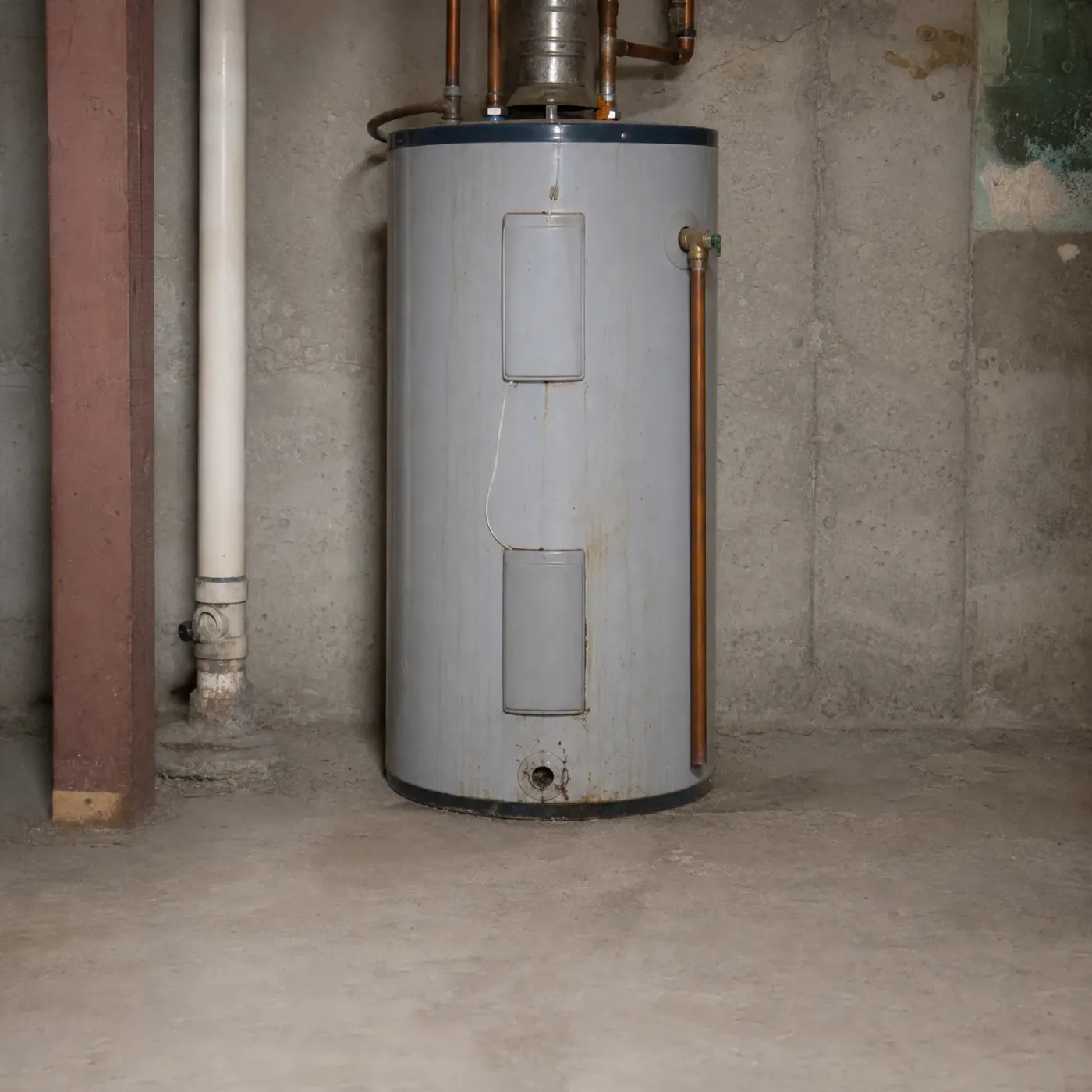
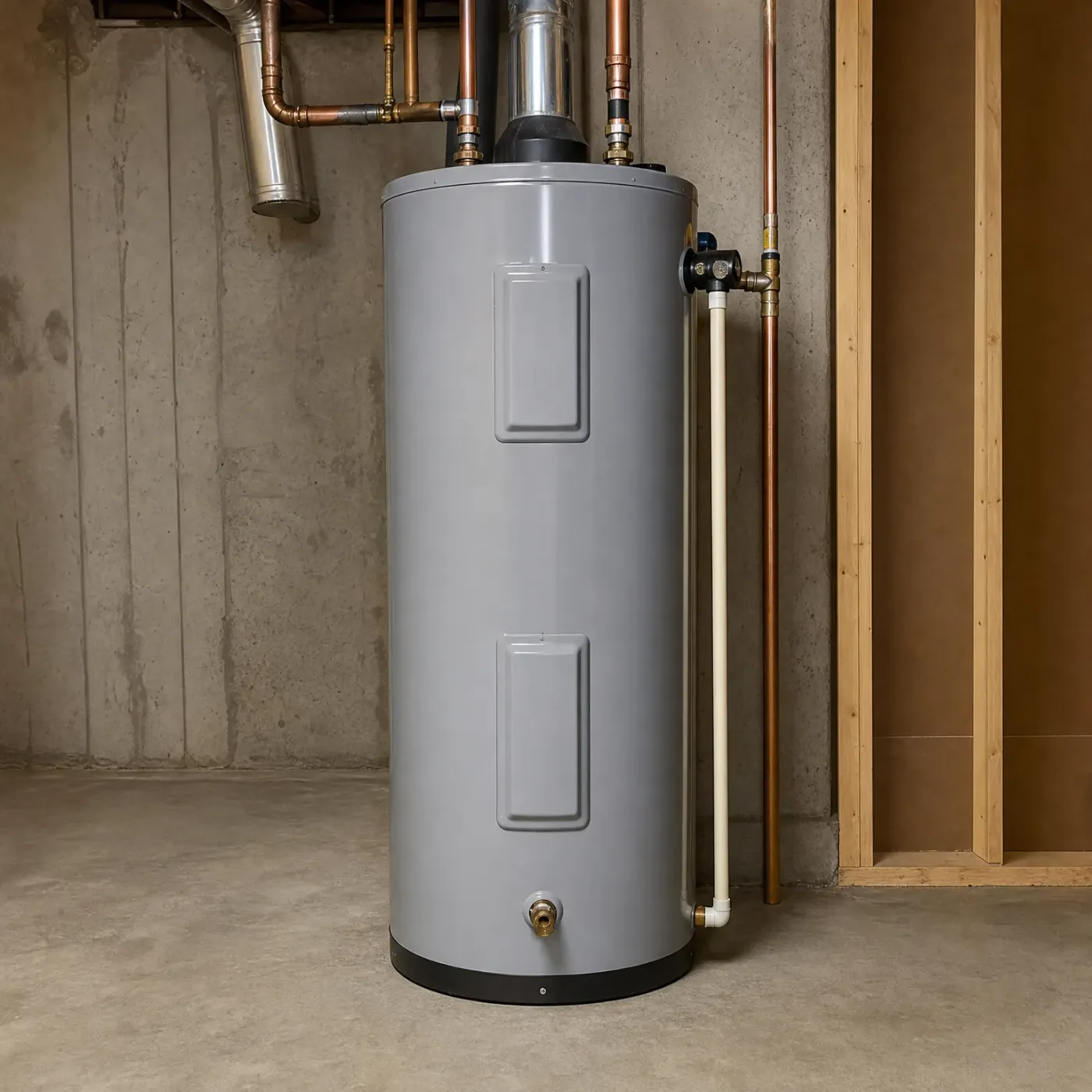
You've read what the sediment does and why once a year is the number that keeps it from winning. Knowing that doesn't drain the tank. Flushing it right means shutting off the gas or power, running cold water through while it's hot, and catching what comes out the drain valve without scalding yourself or cracking a fitting that hasn't moved in a year. If yours hasn't been flushed on schedule, there's also the question of how much has already built up and whether a flush alone still does the job or the valve itself needs looking at first. A contractor who works on tanks around Manhattan sees that difference fast. Getting matched with one costs you a form, not a Saturday spent finding out the hard way what your water heater needed.
Flushing a water heater takes a hose, a place for the water to go, and about half an hour. Shut off the gas or the breaker, let the tank cool enough to handle, hook a hose to the drain valve, and run it until the water comes out clear instead of cloudy or gritty. Some homeowners do this every year without trouble. Others get a drain valve that's seized from years of mineral buildup, or a tank old enough that draining it risks starting a leak that wasn't there before. If your water heater came with the house and nobody's flushed it since, that's worth finding out before you open the valve yourself.
A flush clears what's sitting at the bottom, but it doesn't tell you what the sediment already did on its way there. A contractor looking at your tank can tell whether the anode rod still has metal left to sacrifice, whether the burner assembly shows scorching from heating against scale, and whether the valve itself is still good after the flush or needs replacing. That's a different look than running water through a hose. Get matched with a contractor serving Manhattan and Riley County, and they can tell you where your specific tank stands, not just whether it's due.


Once a year is the number for a water heater in Manhattan or anywhere else in Riley County. That is what keeps sediment from piling up faster than it drains, and it is what keeps a gas burner heating water instead of fighting through scale to reach it. Skip it, and the tank does not fail overnight. It loses capacity a little at a time, the burner runs longer to make up for it, and eventually you notice the hot water does not last like it used to. None of that is a mystery once you know what is sitting at the bottom of the tank.
The job itself does not change based on who does it. Gas or power off, hose on the drain valve, water run until it comes out clear instead of cloudy. Some homeowners handle that themselves once a year and move on. Others would rather have someone else deal with the valve, the hose, and the water that needs somewhere to go. Either way, the interval is the same, because the sediment does not care who turns the valve.
If you send the form, the part that is left, finding someone who can actually do the flush, stops being something you have to sort out. That search is handed off the moment you submit it. You do not have to track down a contractor, check who is available, or figure out who is worth calling. That piece is simply taken care of.

A water heater pro near you



