

Sunflower Water Heaters
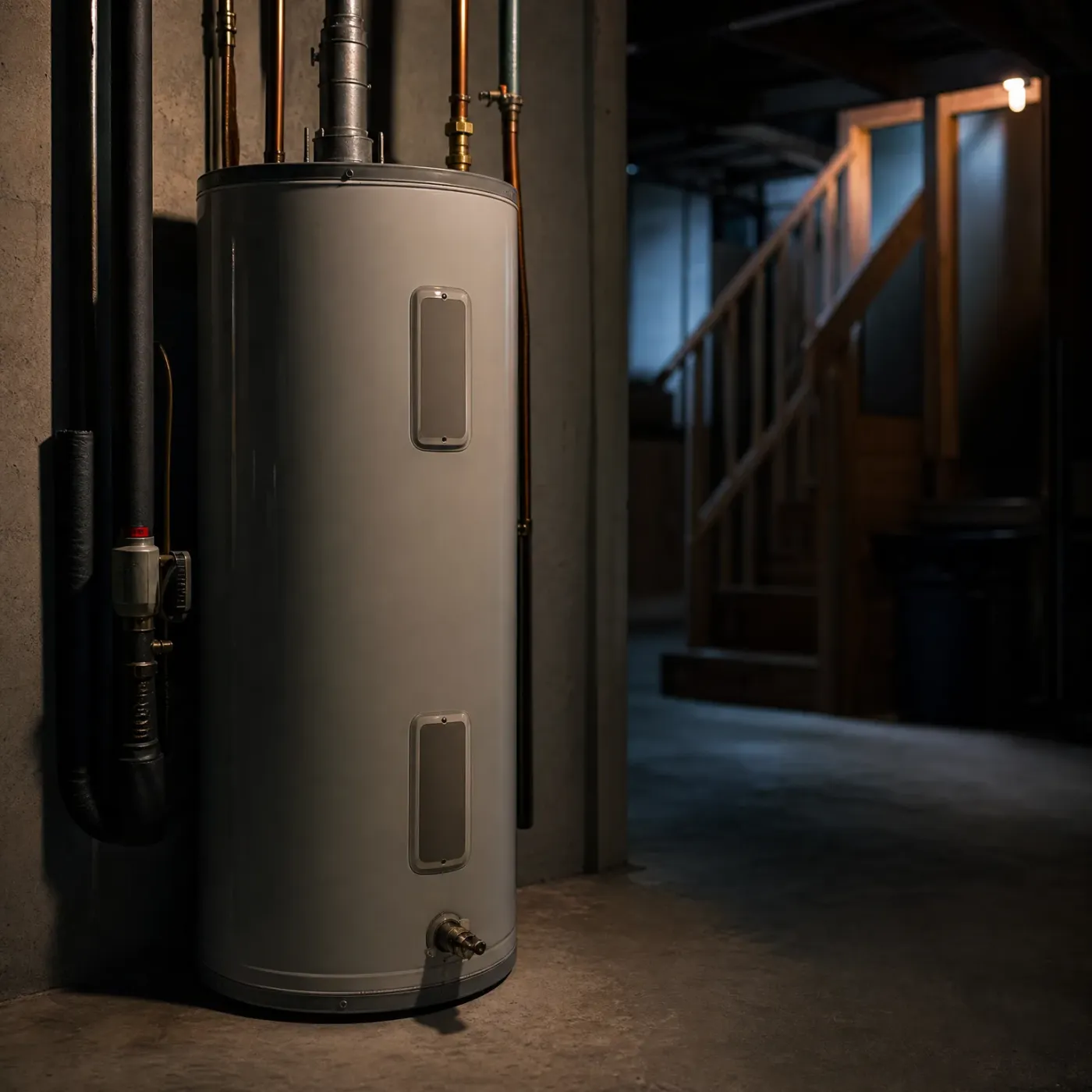
A tall cylindrical water heater with two access panels stands against a concrete wall in a dim basement, with copper and black pipes above it and a wooden staircase in the background.

The right pro for this job

How often to flush a water heater in Wichita, KS

Wichita's water carries a fair amount of mineral in it, and that sediment settles in the bottom of your tank over time. How often to flush it out depends on your water heater, your water, and how it's held up so far. This page walks through what decides that schedule, and can connect you with a local contractor who flushes tanks around Sedgwick County and can look at yours directly.

Get matched

Most homes in Wichita should have the water heater flushed once a year. The hard water here carries enough mineral that sediment collects in the bottom of the tank steadily, and a year is usually how long it takes to build up enough to matter. Left alone, that layer sits between the burner or element and the water, so the tank works harder to heat the same amount of water, and in a gas tank it can start to drown out the burner noise with a rumbling or popping sound. If your water heater is tankless, sediment collects differently, on the heat exchanger, and most manufacturers call for flushing it yearly too. Skip it for several years and the sediment can harden enough that a flush no longer clears it, which shortens the life of the tank. A once-a-year flush is the standard answer here, though a softener or notably hard water on your line can move that number either way.

A tall cylindrical water heater with copper and brass piping stands in the corner of a room with a plain wall, wood framing and pipes behind it, and a concrete floor.

What the sediment does inside the tank

Sediment settles over the gas burner at the bottom of the tank. Once it builds up, it sits between the flame and the water, so the burner has to run longer to get the same water hot. Gas water heaters show this first as noise, a rumbling or popping sound as water works its way under the layer of sediment and boils through it. That sound is a sign the tank is overdue for a flush, not something to wait out.

A gray cylindrical water heater stands in the corner of a bare room with copper and metal pipes, an expansion tank, and a vent running up to the ceiling beside a plain white wall.

What a yearly flush checks

Flushing the tank means draining it fully through the drain valve near the bottom, which clears out the sediment before it packs down hard. Loose sediment comes out with the water. Once it's sat for a couple of years, it can cake and no longer drain out on its own. A tank flushed on schedule keeps the drain valve itself clear too, since that valve is the first thing to clog once sediment builds up around it.

Why is my water heater making popping noises

That rumbling or popping sound when the burner kicks on is water trapped under the sediment layer, boiling and pushing bubbles up through it. You might also notice the water taking longer to get hot, or your gas bill creeping up for no reason you can point to. Some homes see rusty or gritty water from the hot tap, especially after the heater has sat unused for a few hours. None of this means the tank is about to fail, but it does mean the burner is working harder than it should, and left long enough, the trapped heat can wear at the tank itself and shorten how long it lasts.

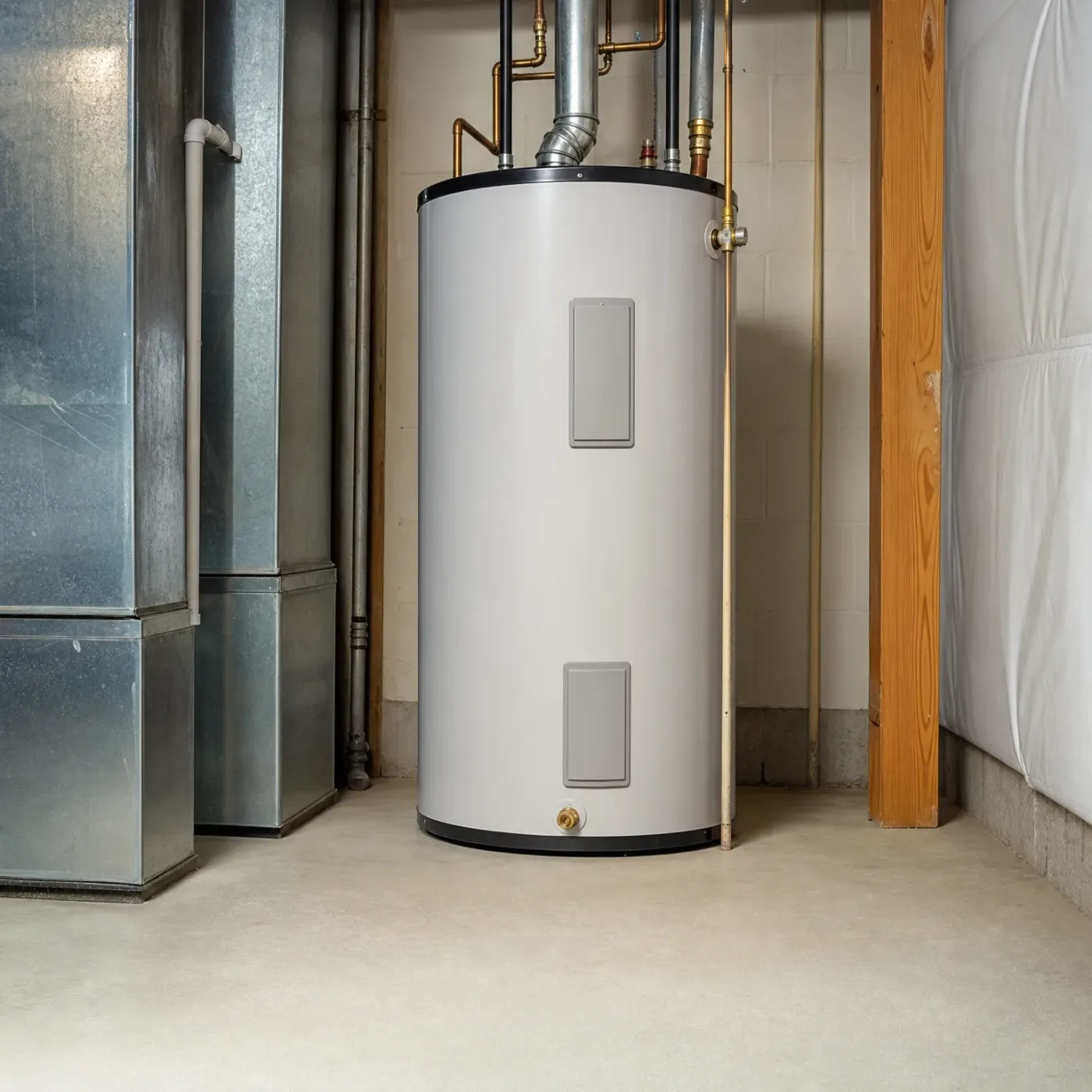
A white cylindrical water heater with two access panels stands on a concrete floor in a basement corner, beside galvanized ductwork, copper and metal pipes, a wooden post, and a concrete block wall.

Flushed on schedule

This tank gets drained once a year, so the sediment never sits long enough to pack down. The connections at the top stay clean, the burner underneath doesn't have to fight through buildup, and the tank keeps heating water about as well as it did the day it went in.
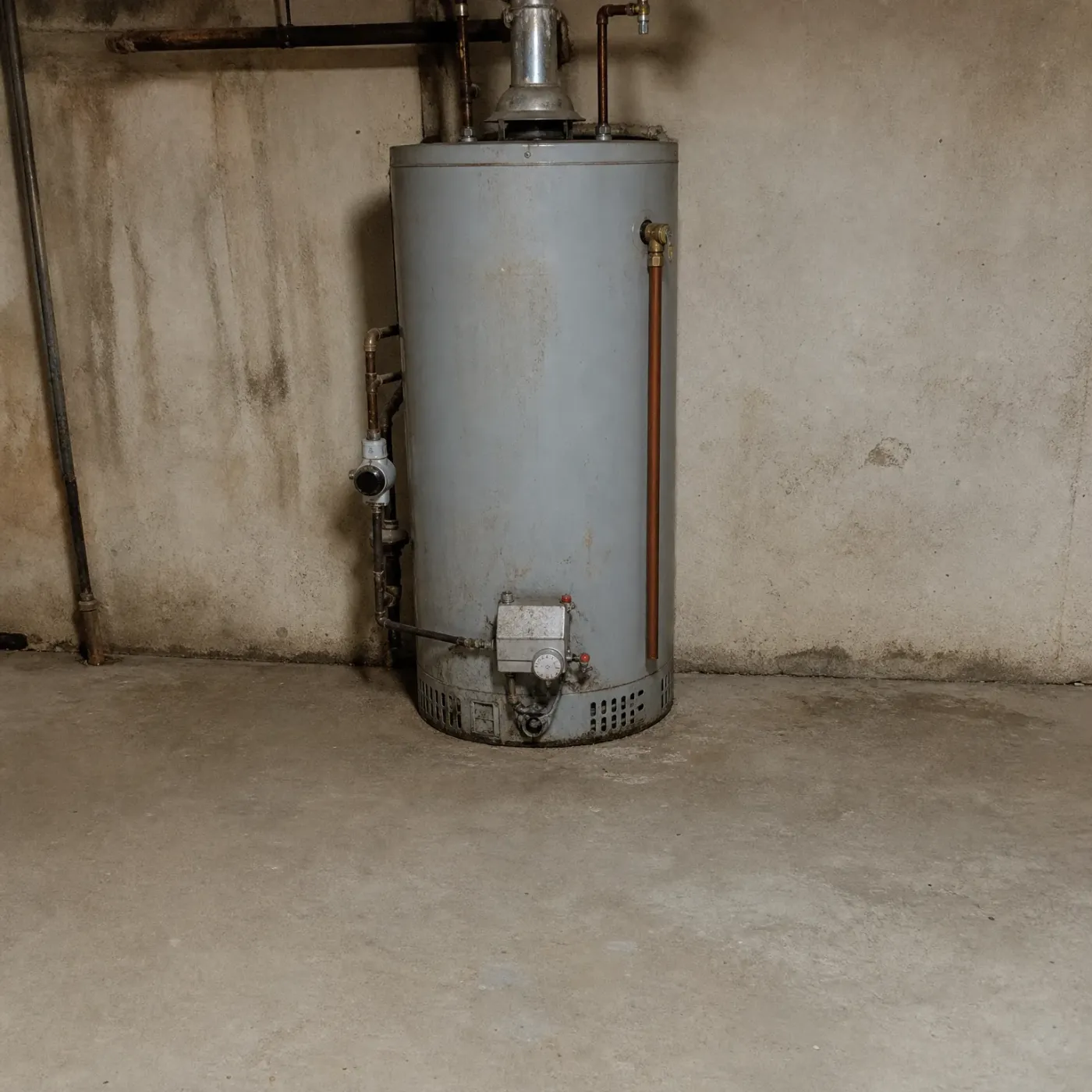

An older gray cylindrical gas water heater with copper and steel piping and a flue, standing on a concrete floor against a stained concrete wall.

Years without a flush

This tank has gone years without a drain valve ever being opened. Sediment has built up thick against the gas control at the base, and the flue above is venting a burner that's been working harder than it should. A tank left like this long enough wears out from the inside.

An older man with gray hair, a dark coat and scarf dusted with snow stands in a warmly lit entryway with an open wooden door, a table lamp, framed pictures, and a plant in a vase.
An older man with gray hair and a beard wearing a dark snow-dusted coat stands in a home entryway, with a lamp-lit living room and a wooden staircase behind him.
An older man with gray hair and a beard, wearing a dark snow-dusted coat, stands in a warmly lit home entryway with a hallway, console table with lamp, patterned rug, and living room visible behind him.
A gray-haired bearded man in a dark snow-dusted coat and scarf stands inside a dimly lit home entryway, with a hallway, framed picture, lit table lamp and staircase behind him.

Matched to your water heater job

A tank that hasn't been flushed in a few years isn't an emergency, but it's working harder than it should, and that shows up on your gas bill before it shows up as a failure. Figuring out how much sediment has built up, and whether a flush now will actually clear it or just stir up a clog in the drain valve, is easier for someone who does this on tanks around Wichita every week and knows what this water leaves behind after a few years versus after ten. Answer a few questions about your water heater and you'll be matched with one licensed local plumber who takes it from there, not a handful of companies competing for your call. If your tank is overdue, that's the kind of thing worth having a second set of eyes on before you decide whether to flush it yourself or have it done.

Tank flushed once a year

A tank on a yearly flush never builds up enough sediment to turn hard. The water comes out mostly clear after a few minutes, and the drain valve itself stays clear enough to close back up without a fight. The burner heats water against a clean bottom, not through a layer of mineral, so the gas bill stays where it should. A tank kept up this way tends to make it to the end of its normal life still doing its job, instead of failing early because the bottom gave out under years of packed sediment.

Tank gone a few years

Skip a few years and the sediment at the bottom hardens into a layer that a simple drain won't fully clear. Water may come out cloudy or gritty, and some of that bottom layer stays put no matter how long the valve runs. The burner has been working through that layer the whole time, so the gas bill has likely crept up without anyone noticing why. The tank isn't failing yet, but it's older than its years, and the next flush takes more time and may not get it back to clean.

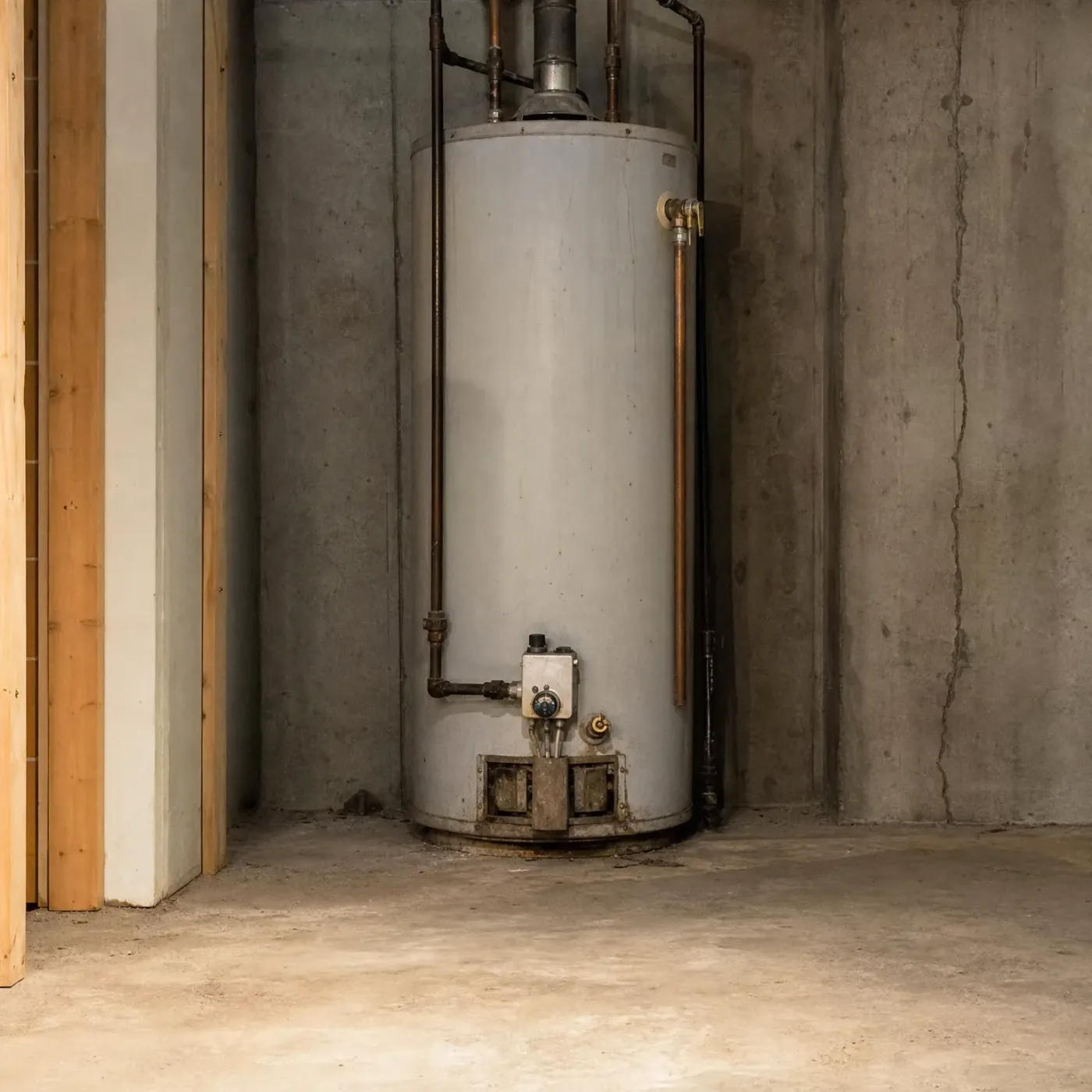
An older gas water heater with copper and black pipes stands in the corner of a bare concrete basement next to a wood-framed partition wall.
Before you get your water heater maintenance
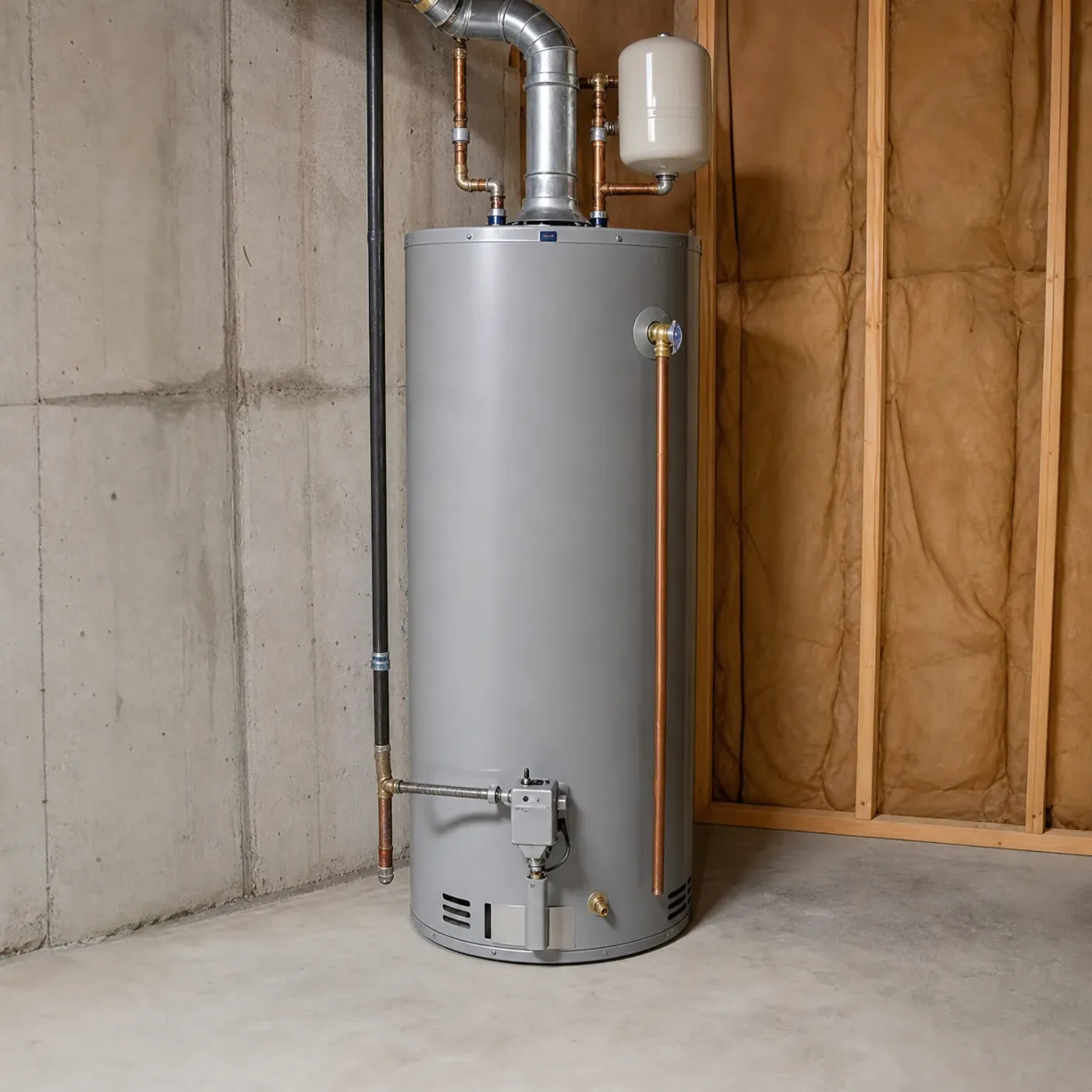
A gray cylindrical gas water heater with copper piping, flue vent, and a small expansion tank stands in a basement corner between a concrete wall and an insulated stud wall.
After you get your water heater maintenance

A tank that's never been flushed can usually still be saved. A plumber drains it slow, breaks up what's loose, and gets most of the sediment out before it hardens into something the water can't touch.

Wait past three or four years and the sediment at the bottom can turn solid enough that draining won't move it. At that point you're managing a tank that's already lost capacity, not restoring one.

Who's actually due for a water heater flush this year

  • 2.51 people per household on average

    With 2.51 people typically in a Sedgwick County household, most tanks here run through a regular daily draw all year, which is exactly the use pattern that builds sediment on a steady yearly clock.

  • Half the homes here were built by 1978

    Half the homes in the county date to 1978 or earlier, and a water heater that came with an older house may be on its second or third replacement, so the age of the house tells you nothing about the age of the tank inside it.

  • 66.7% of homes heat with gas

    At 66.7%, gas is how most homes here heat water, and a gas tank is the one where built-up sediment shows itself first, through a harder-working burner and a slower recovery.

ACS 2020-2024

A woman wrapped in a thick cream knit blanket sits in an armchair beside a lit table lamp, with an open book in the foreground and a frost-covered window behind her.
A woman in a cream knit sweater sits in an armchair indoors, eyes closed and smiling, beside a window showing yellow and orange autumn foliage, with a mug on a wooden side table and shelves holding vases behind her.

Power here costs 14.59 cents per kilowatt-hour

Power here runs about 14.59 cents a kilowatt-hour, right in line with the rest of the country. If your water heater is electric, that steady rate means sediment is the thing driving your cost up, not what you pay for electricity itself.

EIA-861 2025

Where your water heater stands now

  • A yearly flush is the right schedule for most Wichita water heaters given how much mineral is in the water here.
  • Sediment that sits for three or four years can harden to the point a flush won't fully clear it.
  • A tank kept on schedule heats water with less strain on the burner and holds up longer.
  • A local plumber who flushes tanks all through the year knows how Wichita's water typically affects them and what to check for.
  • Matching with one licensed local contractor means a single point of contact instead of several companies calling.
  • Where your tank stands now decides whether a flush today is enough or something more is needed.

A once-a-year flush is what Wichita's water asks of most tanks, and the reason comes down to how much mineral is in that water to begin with. Skip it for a year or two and you're just catching up at the next flush. Skip it for three or four and the sediment has time to pack down into something a standard drain won't fully break up. Where your tank actually falls on that timeline is the thing worth knowing before you decide what it needs.

A plumber who flushes tanks all year in this area has seen that timeline play out on hundreds of them. They know what a tank on schedule looks like inside, what one that's gone two years looks like, and what's usually still recoverable versus what's hardened past the point a flush alone can fix. That's a different kind of judgment than a general handyman brings, and it's the difference between paying for a flush that works and paying for one that doesn't.

When you request a match through this page, it goes to one licensed local contractor, not a handful of companies competing for the job. You get one call back, from someone who works on this equipment in this water every week, rather than a string of calls to sort through. Whether your tank needs a straightforward yearly flush or a closer look at what's built up inside it, that's the conversation to have next.

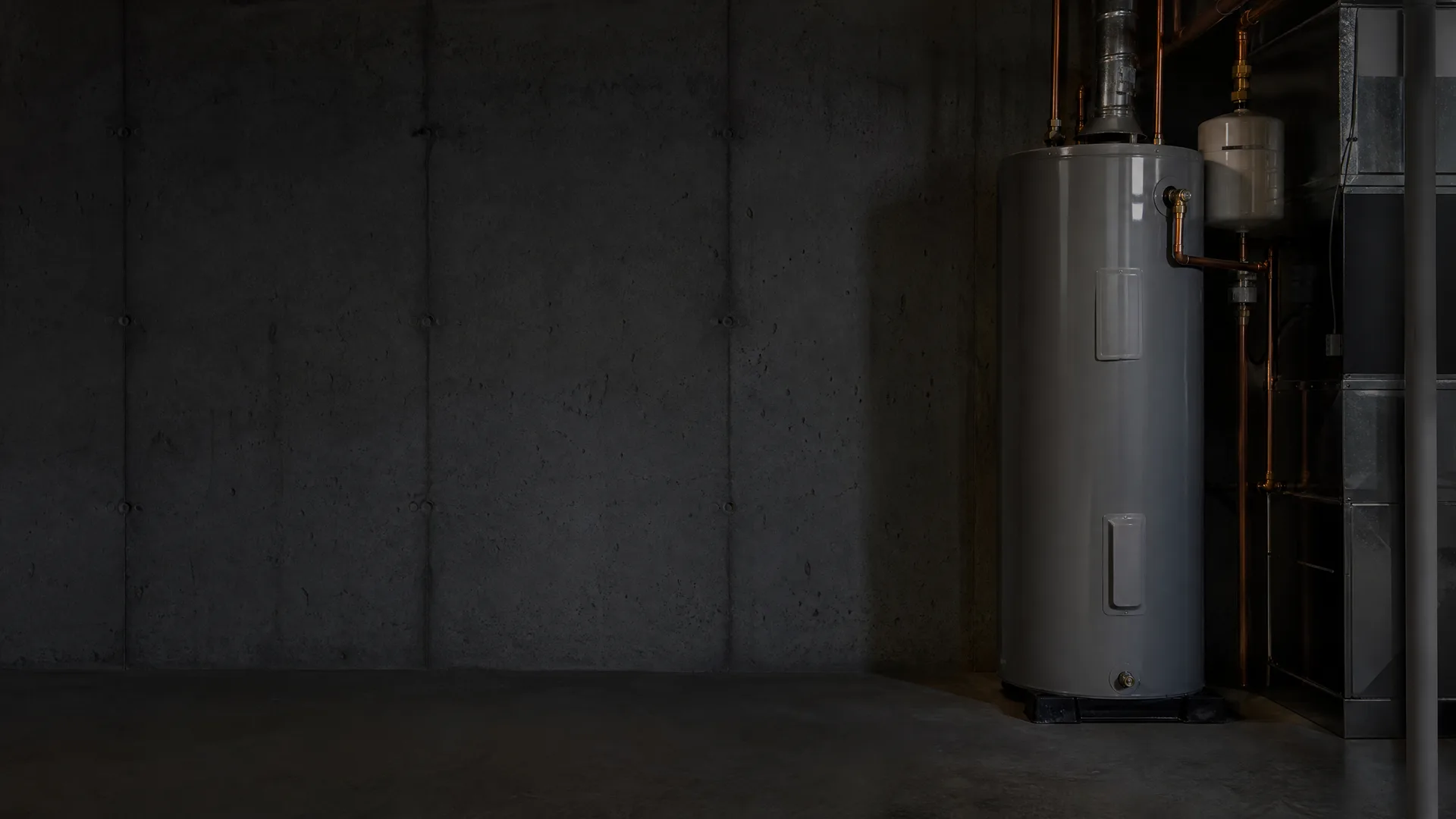
A gray cylindrical water heater with copper piping and an expansion tank stands on a drip pan against a dark concrete basement wall, next to metal ductwork.

A water heater pro near you

Your request goes to one pro, not a list of companies.

Step 1 of 3: Equipment