Is a tankless water heater worth it in Leavenworth, KS
Get matched with a pro who works on water heaters in Leavenworth County.
Request a proA tankless water heater is worth it for most homes in Leavenworth if you're replacing a tank that's failing or you're tired of running out of hot water. Most homes here heat with gas, and a gas tankless unit heats water only as you use it instead of keeping forty gallons hot all day, so it uses less fuel over a year. Winters in Leavenworth County get cold, and incoming water temperature drops with it, which means a tankless unit works harder in January than in July to hit the same output at the tap. That's normal, not a sign anything's wrong. For a household that runs showers back to back or fills a big tub, a tankless system keeps up where a tank runs cold. If your current tank is still working fine and your hot water use is modest, there's less reason to switch before you have to.
Does a tankless unit make sense for your household?
2.59 people per household on average
Households here average 2.59 people, which means mornings with more than one shower, a load of laundry, and dishes stacking up on the same hot water line.
Half the homes here were built by 1982
Half the homes in the county were built in 1982 or earlier. If yours is one, the gas line and venting may need work to fit a tankless unit.
60.2% of homes heat with gas
60.2% of homes here already heat with gas, which is the fuel a tankless unit needs to deliver its real advantage over a tank.
ACS 2020-2024
A tank keeps forty or fifty gallons hot around the clock, so you never run the math before a shower. It runs out if three people shower back to back, and it's working to hold that heat at 2 a.m. when nobody's home.
A tankless unit only heats water when you open the tap, so it doesn't run out and doesn't hold heat you're not using. It has to work harder in a Leavenworth winter when the water coming in is colder, which cuts into how much it can deliver at once.




Open a hot tap and a flow sensor reads the water moving through the unit before anything else happens. That reading tells the burner to light. Cold water passes through a copper or stainless heat exchanger, and the burners raise its temperature as it moves past, not ahead of time the way a tank does. There's no tank sitting full, so a dedicated gas line has to be sized for the burner, often larger than what fed the old tank. The exhaust runs hotter than a standard water heater's, which is why venting is stainless steel or rated PVC instead of a metal flue. During a shower, if someone starts the dishwasher or another tap opens, the flow sensor picks up the change and the igniter cycles the burner to match it, so output follows whatever's being drawn in real time. One more thing worth knowing before installation: most units need a service valve kit put in at setup, since that's what lets the heat exchanger get flushed down the road without pulling the unit apart.
How a Tankless Unit Actually Works
- A gas tankless unit fires up only when a fixture opens, using a sensor that reads the flow rate before the burner lights.
- Cold water travels through a copper or stainless heat exchanger where gas burners raise its temperature as it passes, not before.
- Because there's no tank, the unit needs a dedicated gas line sized for its burner, which is often larger than what a tank uses.
- Venting runs through stainless steel or PVC rated for the exhaust temperature, not the metal flue a standard tank uses.
- A flow sensor and igniter cycle the burner on and off throughout a shower if the flow rate changes, so output follows demand.
- Most tankless units need a service valve kit installed at the time of setup so the heat exchanger can be flushed later.
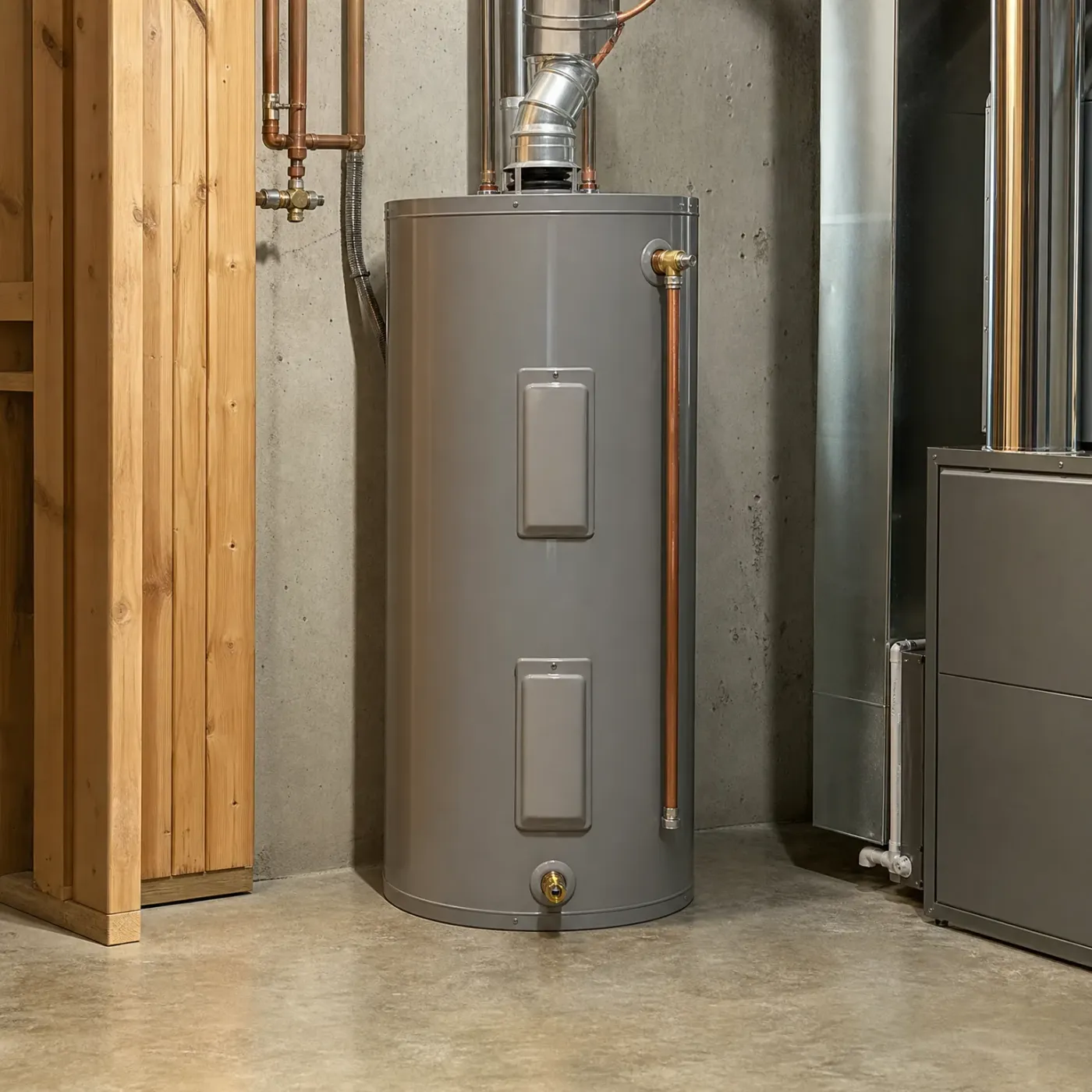
Tankless or Tank: Which Fits Your Home
Tankless
- No tank means no standing pilot loss and no reheating forty gallons overnight while everyone in the house is asleep.
- A gas tankless unit can keep up with back to back showers as long as the flow rate stays under its rated capacity.
- Installation often means venting changes and sometimes a bigger gas line, since the burner draws harder than a tank's does.
- It keeps working as long as gas and power are both on, and Leavenworth's winters mean that gas line matters most in January.
- Wall-mounted units free up floor space in a closet or utility room instead of taking up a few square feet for a tank.
- They tend to last longer than a tank unit, so fewer replacements over the years you own the house.
Tank
- A tank holds its hot water ready, so there's no flow rate to think about when three fixtures run at once.
- Replacement is usually a straight swap, same spot, same venting, same gas line, with little else to change.
- It costs less to install since there's no venting or gas line upgrade to plan for.
- If the power goes out, a tank with a standing pilot still heats water, while most tankless units need electricity to fire.
- It keeps forty or fifty gallons hot around the clock, which costs something even when nobody's home to use it.
- A tank has a shorter lifespan on average, so you're more likely to face another replacement sooner.
Winter makes the burner work harder
Groundwater coming into the house is colder in January than it is in July, and a tankless unit has to raise its temperature more to hit the set point. That means the burner runs longer per gallon in the cold months. It still keeps up, but the gain over a tank is smaller in winter than the summer numbers alone would suggest.
Where the vent runs matters
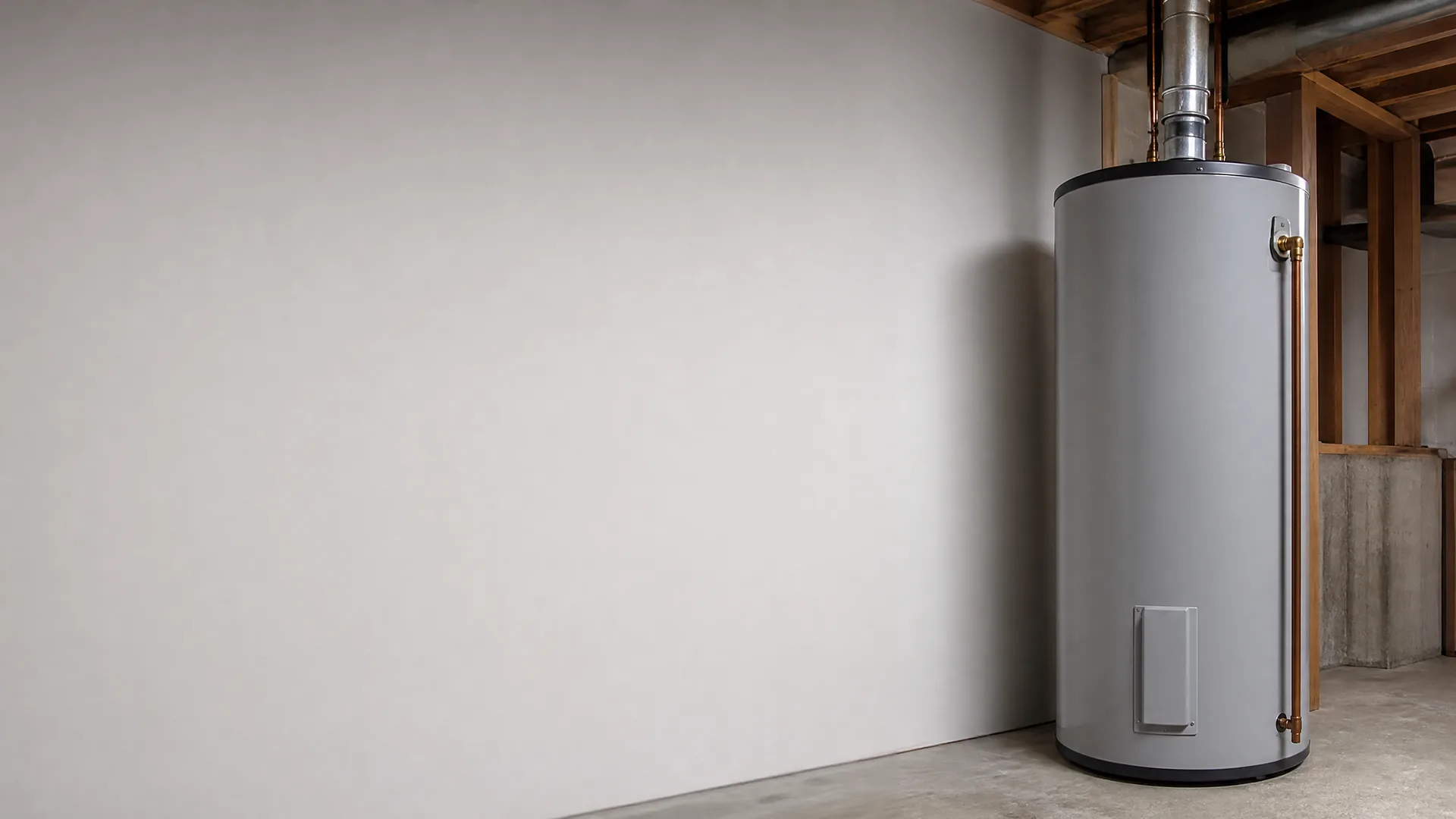
A gas tankless unit vents differently than a tank, usually through a dedicated line through an exterior wall or the roof, sized to the unit. If the water heater sits somewhere without easy access to an outside wall, that venting path is part of what a contractor has to work out before quoting the install, not an afterthought once the unit is in.
Power here costs 14.29 cents per kilowatt-hour
At 14.29 cents per kilowatt-hour, power here runs close to the national average. If you're weighing a gas tankless unit against an electric one, that rate alone won't make the decision for you. Gas is still what heats water in most homes around here, and it's what carries the bigger savings over a standing tank.
EIA-861 2025


Get matched with a water heater pro in Leavenworth County

Skip the round of in-home estimates for a new water heater.
Asking costs nothing, and the choice to hire stays yours.
What This Looks Like at Home
- A failing tank can leak into the basement or a closet floor with no warning before it goes.
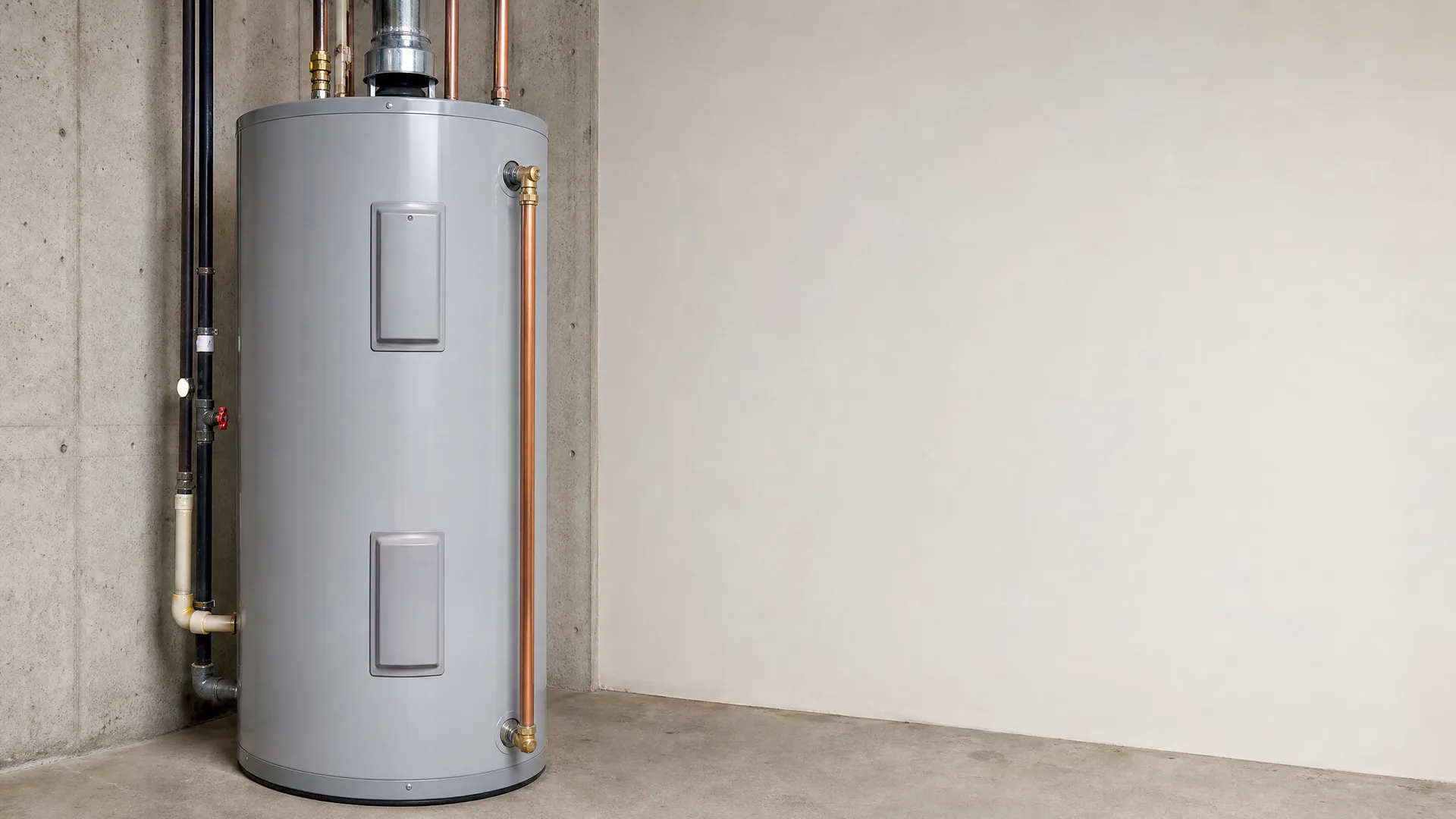
- A tankless unit mounted on the wall frees up the floor space a forty or fifty gallon tank used to take up.
- Running out of hot water mid shower stops being a math problem once the unit is sized to your fixture count.
- A gas tankless unit still needs venting run to the outside, which changes where it can go in your house.
- Skipping the search for a licensed installer saves you from calling around and explaining your setup more than once.
- A unit sized wrong for your household still leaves someone standing in a cold shower on a January morning.
A tank near the end of its life doesn't send a warning before it fails. If it's sitting in a basement or a closet, that's water on the floor and possibly in the walls around it before anyone notices. Swapping to a tankless unit changes that picture and a few others. The wall-mounted unit takes up a fraction of the space a forty or fifty gallon tank needs, so a closet or corner opens back up. For a household juggling showers, laundry, and dishes on the same line, the unit's rated flow becomes the number that matters, not a guess about who showers first. Get the sizing right for your fixture count and running out mid-shower stops being something you plan around.
None of this is simple swap work. A gas tankless unit needs venting run to the outside, and where that vent can go depends on your walls and your roofline, which means the unit's location isn't always where the old tank sat. That's a decision for whoever installs it, not something to work out alone. And sizing has to match your household, because a unit that's undersized for your fixture count can still leave someone standing under a cold shower on a January morning, same as a failing tank would. Finding a licensed installer who knows gas venting and can size the unit correctly means not having to call around explaining your setup to three different contractors before getting a straight answer.
Is your water heater already telling you something
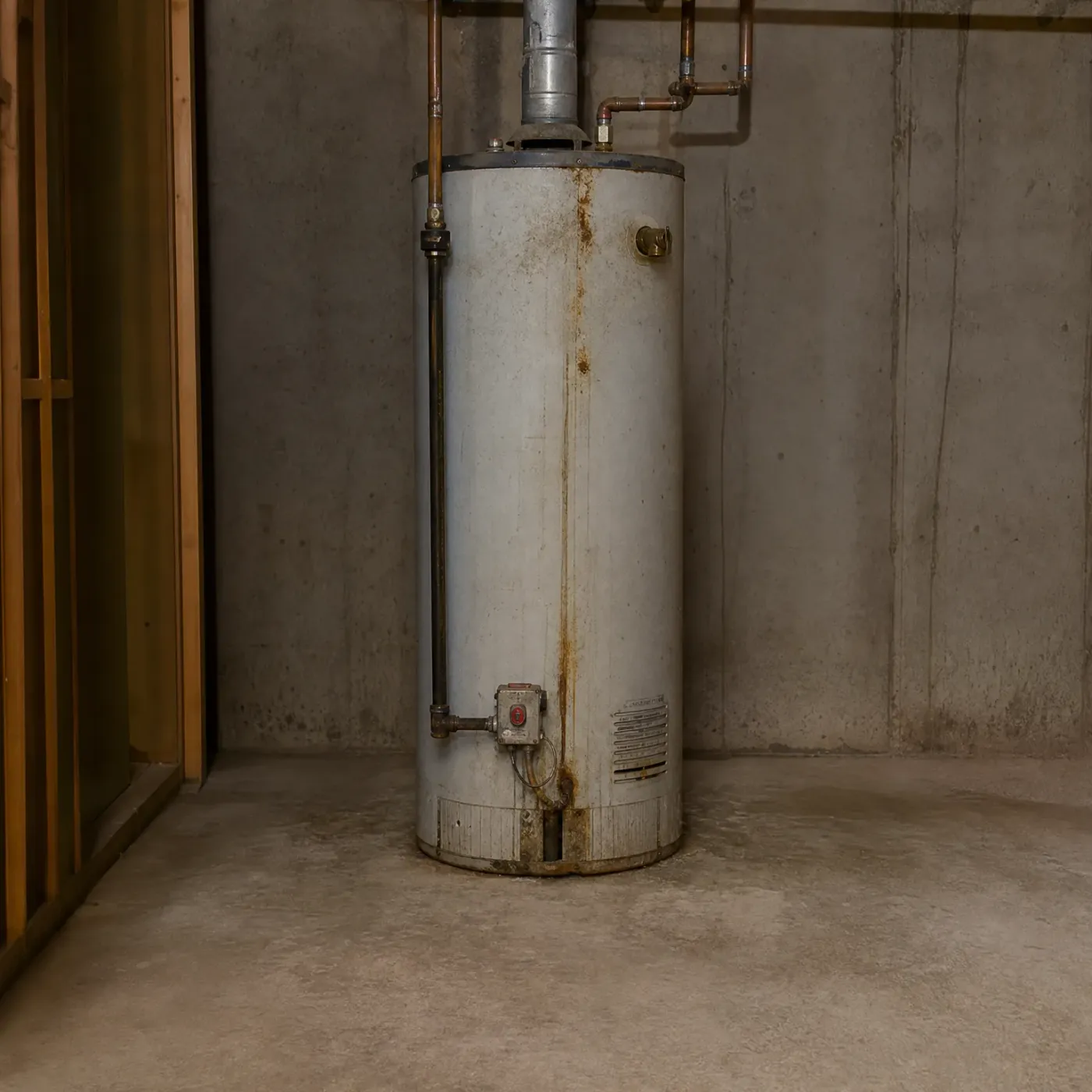
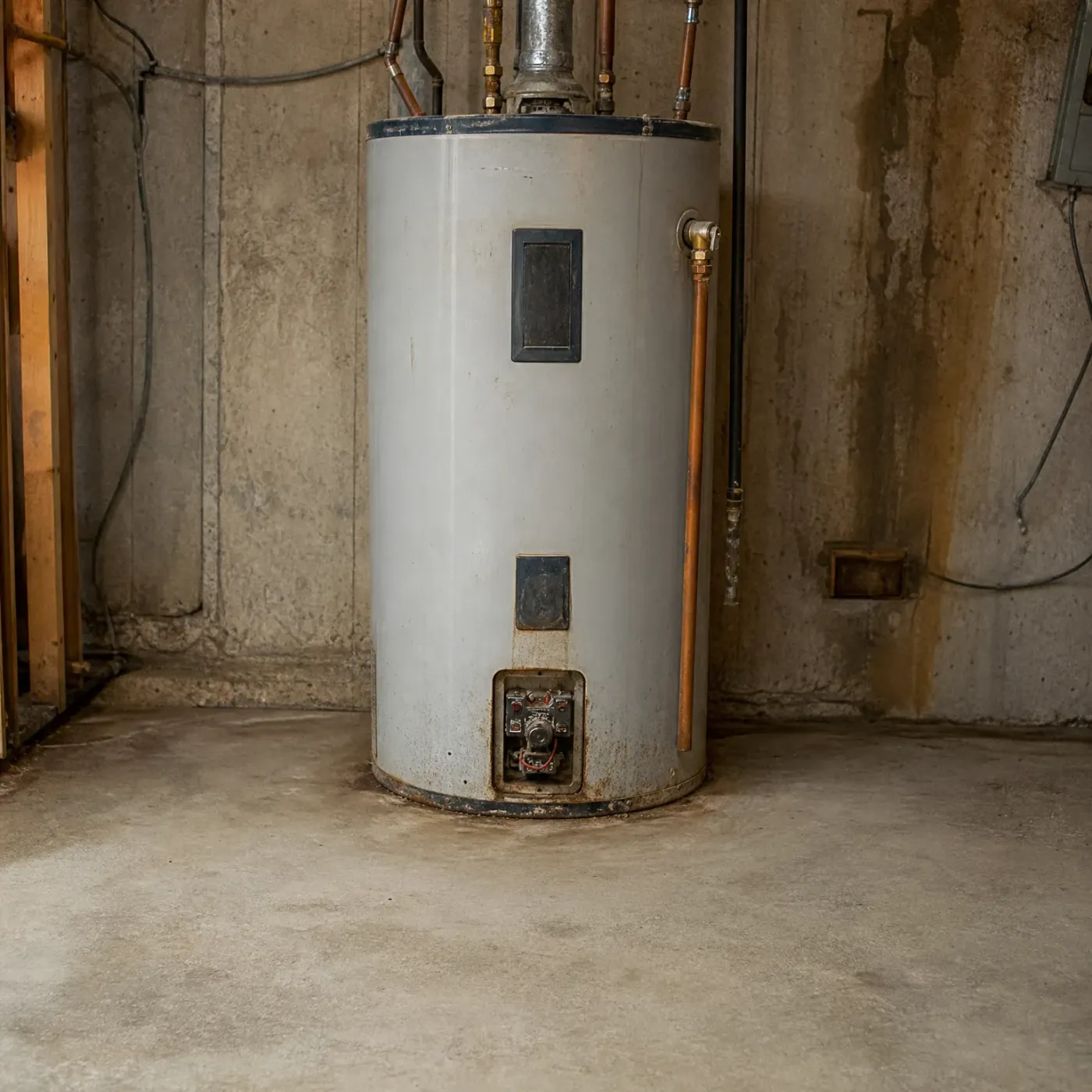
Rust-colored water from the hot tap, a popping or rumbling sound from the tank, or water pooling on the floor near it are signs the tank is on its way out. If the pilot won't stay lit or the burner cycles on and off more than it used to, that's worth a look too. A tank that's struggling doesn't usually fail quietly. It leaks, and if it's in a closet or upstairs, that water goes somewhere you don't want it: a subfloor, drywall, or whatever's stored nearby. If your mornings already involve timing showers so the hot water lasts, that's the other sign, and it has nothing to do with the tank failing. It's just not built for your household anymore.
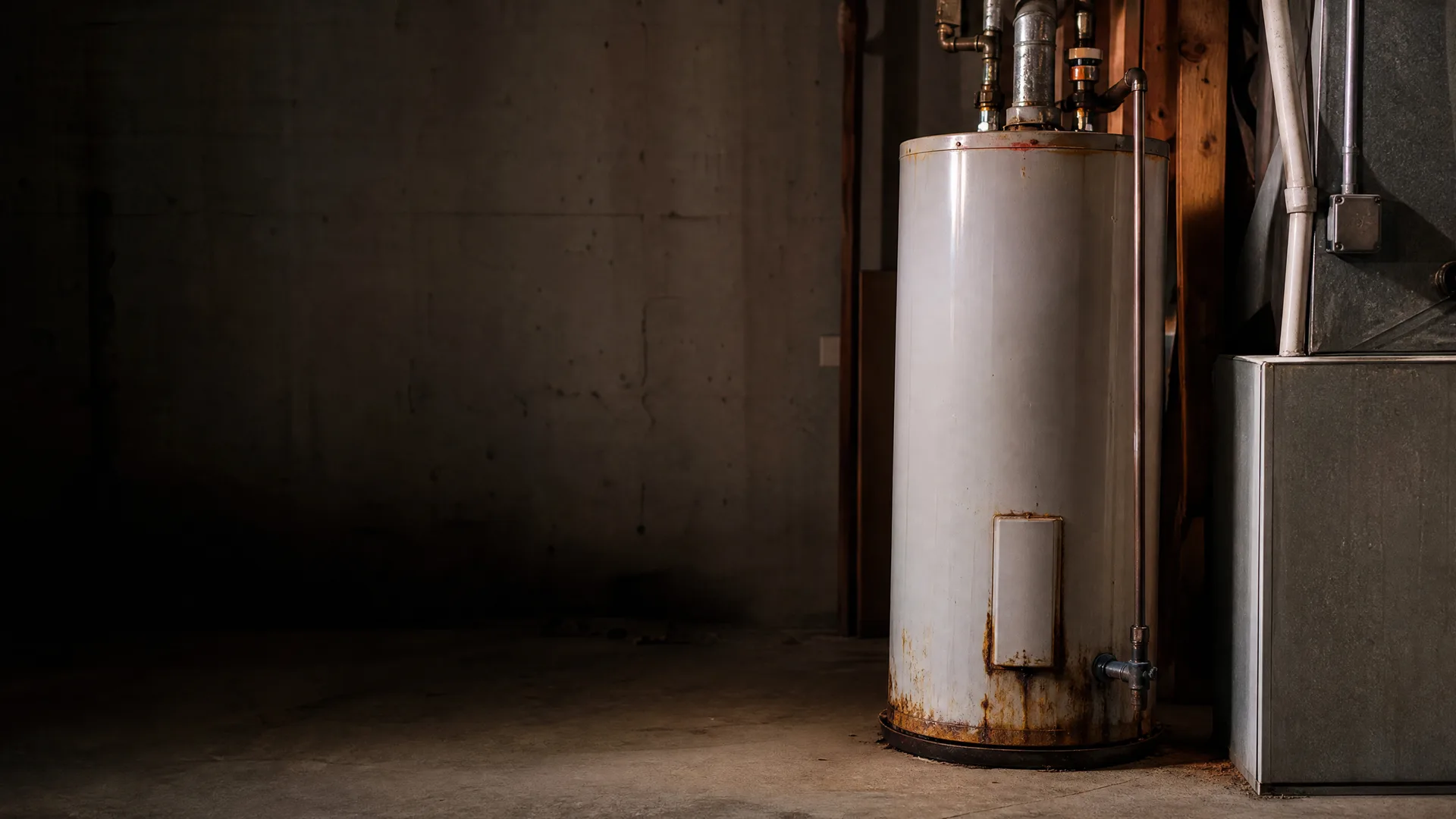
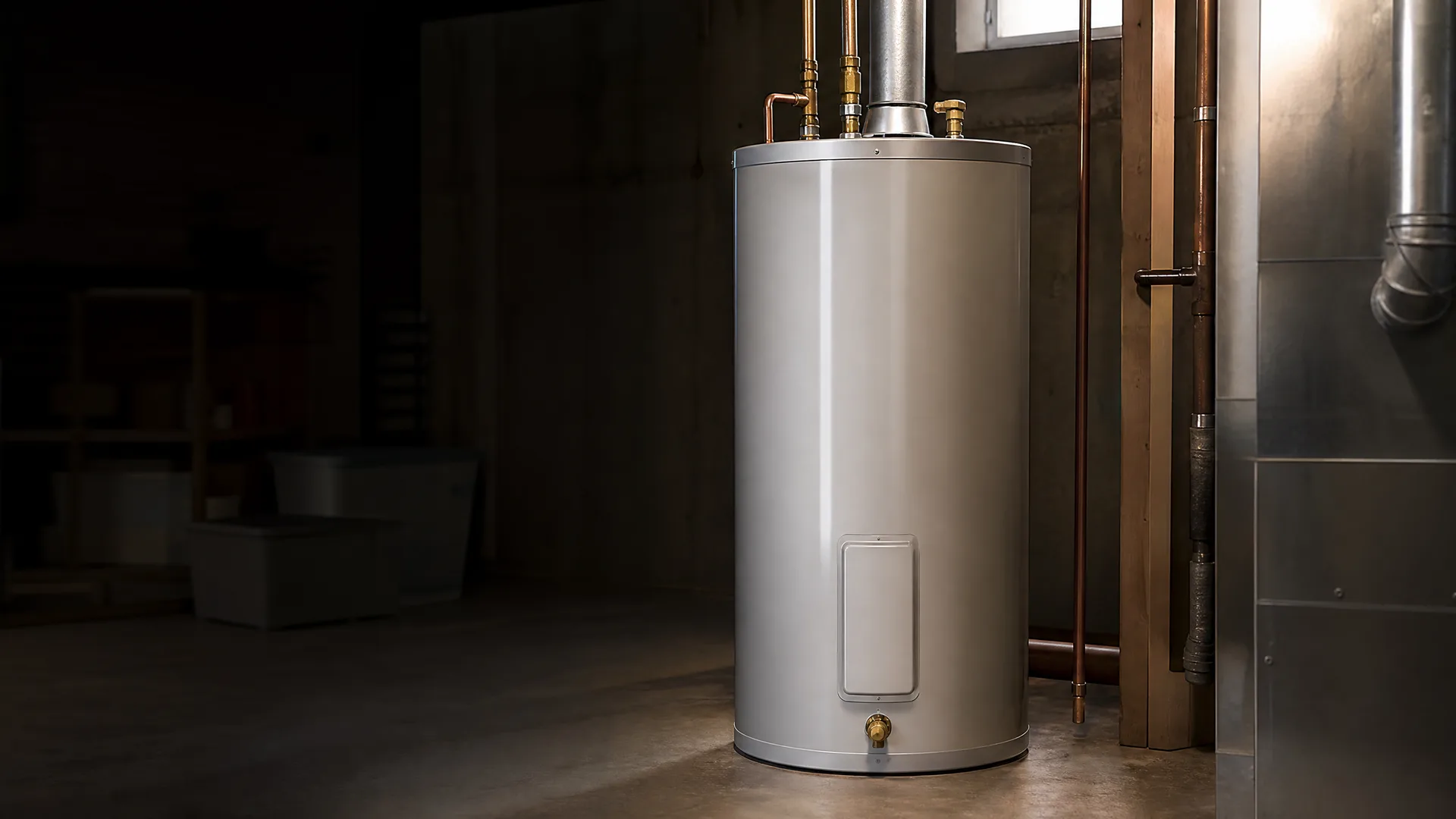
It's almost dark outside, and you're down in the utility room to grab something from the shelf above the water heater before bed. The furnace kicks on somewhere behind the wall, December cold pressing against the one small window. You notice it without meaning to, the streaks of rust running down the side of the tank and pooling faintly at the base where it meets the concrete floor. You crouch down and touch the floor near it. Dry, for now. You stand there a second longer than you need to, thinking about whether it'll hold through the winter or whether you'll be calling someone about it sooner than you planned.

Where that leaves you
A tank that's rusting or popping is going to fail on its own schedule, not yours. A tankless unit sized right for your household will keep up with the showers and laundry without the standing losses the old tank had all winter. That's the whole decision: replace a dying tank, or keep nursing it until it leaks.
Getting the right unit in means matching the gas line, the venting and the flow rate to your house, and that's not something to work out by yourself over the phone with five different companies. Answer a few questions about your water heater and your home, and a contractor who installs these in Leavenworth County will reach out to look at what you actually have and tell you what fits.

Find a water heater installation pro in Leavenworth County