Tell us about the job
Takes about a minute. No obligation.
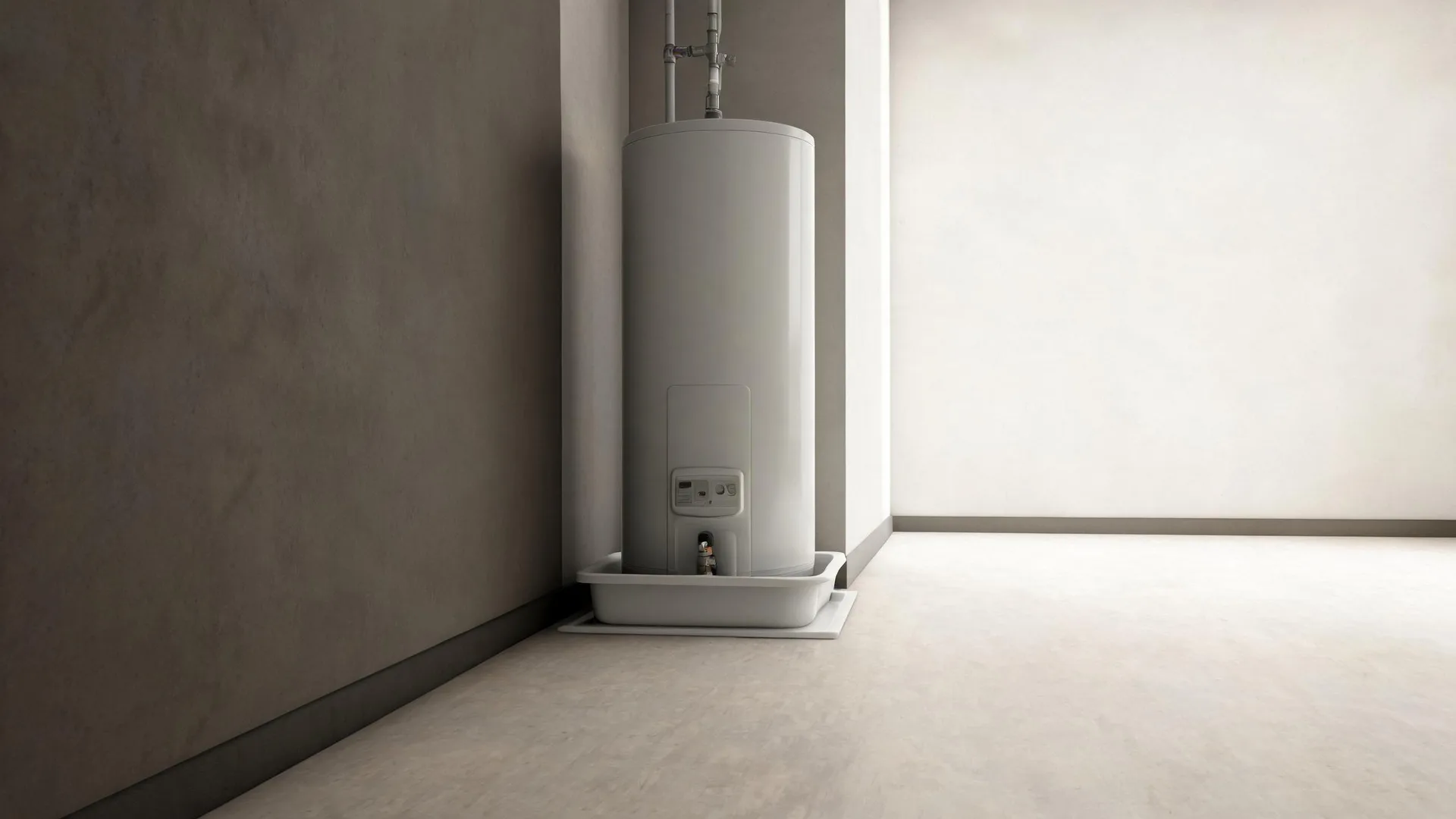
A contractor quoting a water heater replacement in Morton County works out the venting path and combustion air arrangement before settling on equipment. Utility gas heats more occupied homes in Morton County, Kansas than any other fuel, at 72.3% (2020-2024 ACS 5-year). With gas heating this dominant, the existing flue, draft hood, and gas line sizing are what shape the replacement, and a unit that ignores any one of those produces combustion problems the homeowner will not catch until the water heater has been running wrong for some time. The tank itself is only part of what gets specified.
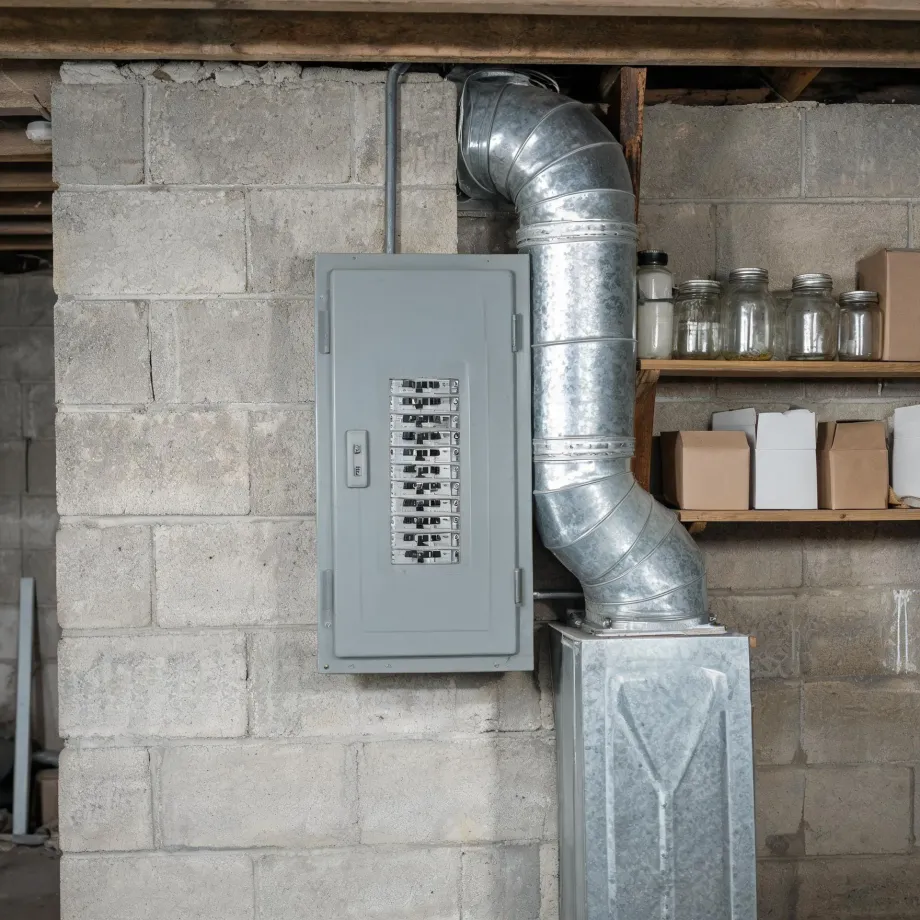
Older service panels are where water heater installations in this county run into trouble. The wiring and breaker capacity put in when these houses were built was sized for a different load than a modern unit draws, and what a contractor finds at the panel determines whether the install is straightforward or whether electrical work has to come first. Half the homes in Morton County, Kansas were built in 1966 or earlier (2020-2024 ACS 5-year). That gap between when the house was wired and what now has to run through it is the variable that decides the scope of the job.
What a Water Heater Installation Covers
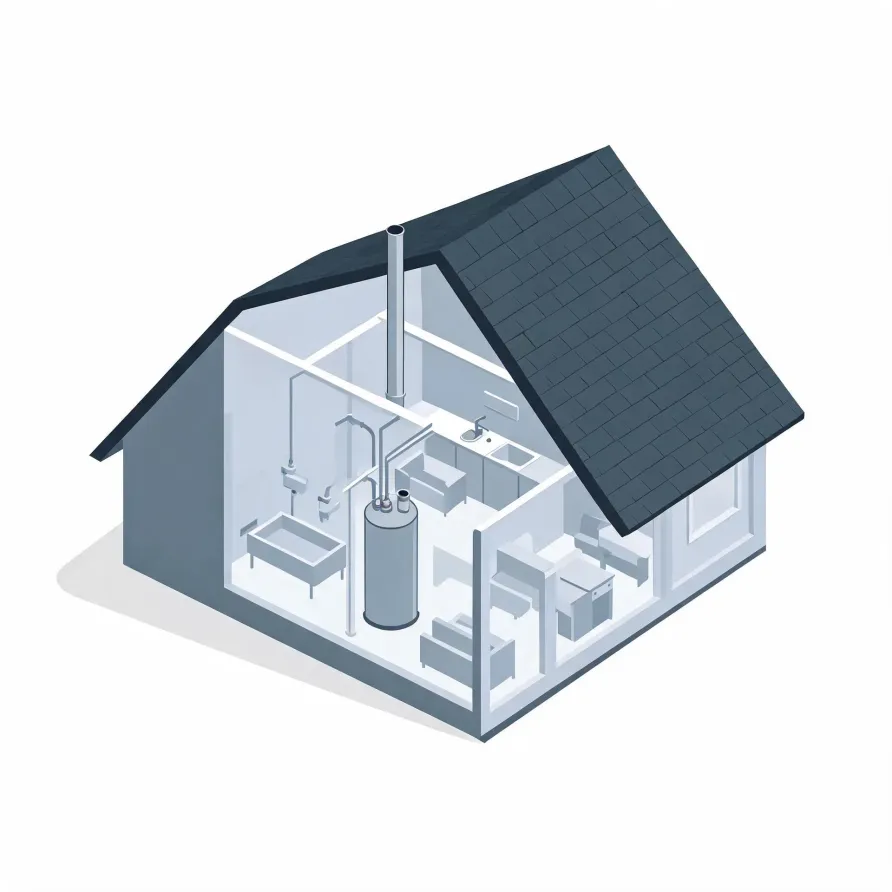
The tank or tankless unit is the heart of the system. A storage-tank water heater sits in a utility room, basement, or garage and holds a reservoir of heated water ready for use. A tankless unit mounts on a wall and heats water only as it passes through.
The pressure relief valve attaches directly to the tank and releases pressure if it climbs too high. Supply and outlet pipes connect the unit to the home's cold water feed and to every fixture that draws hot water. A flue or venting pipe runs from the unit to an exterior wall or roof, carrying combustion gases out.
The drawing shows a typical layout, and a licensed contractor determines exactly what applies to your house.
Find a contractor in Morton CountyMorton County, Kansas, by the numbers
231 severe weather events were recorded in Morton County, Kansas between 2015 and 2024.
NOAA National Centers for Environmental Information, Storm Events Database, bulk CSV export, events 2015-01-01 through 2024-12-31.Half the homes in Morton County, Kansas were built in 1966 or earlier (2020-2024 ACS 5-year).
U.S. Census Bureau, 2020-2024 American Community Survey 5-Year EstimatesMorton County, Kansas holds 1,310 housing units (2020-2024 ACS 5-year).
U.S. Census Bureau, 2020-2024 American Community Survey 5-Year EstimatesOwners occupy 85.4% of the occupied homes in Morton County, Kansas (2020-2024 ACS 5-year).
U.S. Census Bureau, 2020-2024 American Community Survey 5-Year EstimatesSevere Weather Events in Morton County
Extreme weather puts a hard load on water heaters, pushing them through wider temperature swings and longer recovery cycles than mild climates demand. How much stress a unit absorbs over its life is a local question, and the pattern of storms in Morton County shapes the answer.
231 severe weather events, 2015–2024. Source: NOAA National Centers for Environmental Information, Storm Events Database.