Tell us about the job
Takes about a minute. No obligation.
A contractor quoting a water heater replacement in Wyandotte County starts with the existing gas line and the venting setup, not the tank itself. Utility gas heats more occupied homes in Wyandotte County, Kansas than any other fuel, at 67.5% (2020-2024 ACS 5-year). That share means gas-fired water heaters are the default here, and a replacement unit has to match the flue arrangement already in the house. Draft hood clearances, venting diameter, and combustion air openings were sized for the original appliance. Put in a higher-efficiency unit without adjusting those and the flue can back-draft, which fails inspection and sends combustion gases into the living space.
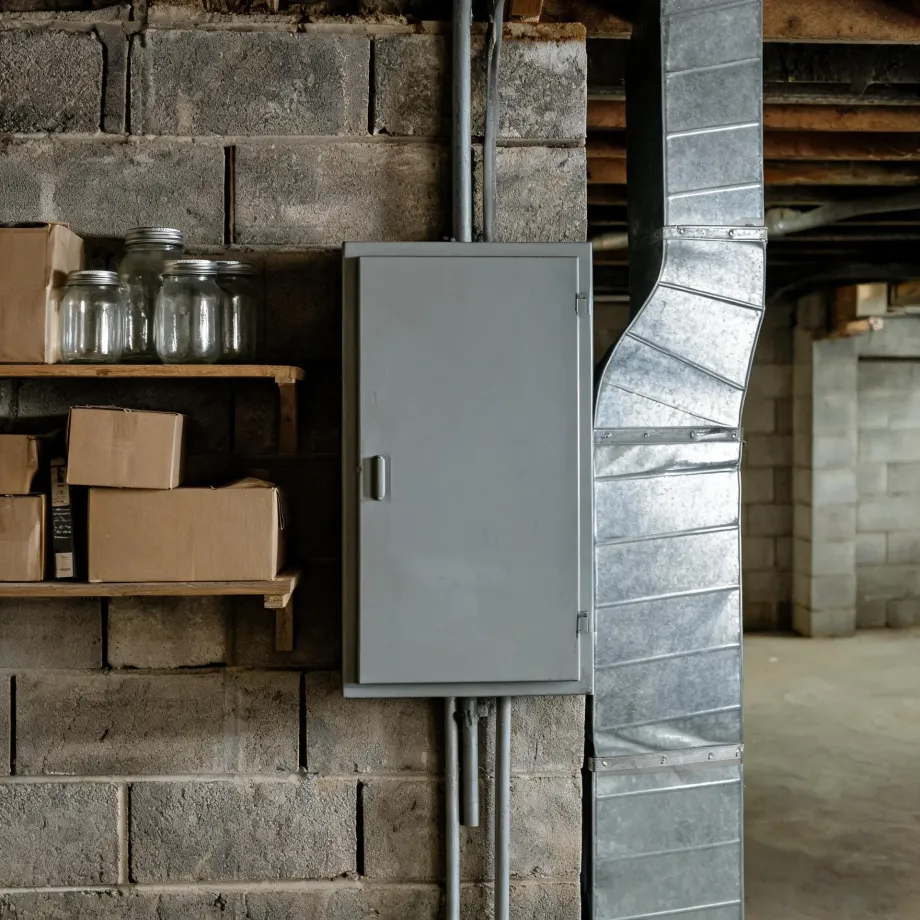
Ductwork and electrical service in a house carry a history the new equipment has to fit into. Half the homes in Wyandotte County, Kansas were built in 1962 or earlier (2020-2024 ACS 5-year). That means a contractor sizing and quoting a water heater installation in Wyandotte County is looking at what the panel was originally wired to handle and whether the existing configuration supports what a current unit draws. A house whose infrastructure was built around something different may need electrical work before the installation itself begins.
What a Water Heater Installation Covers
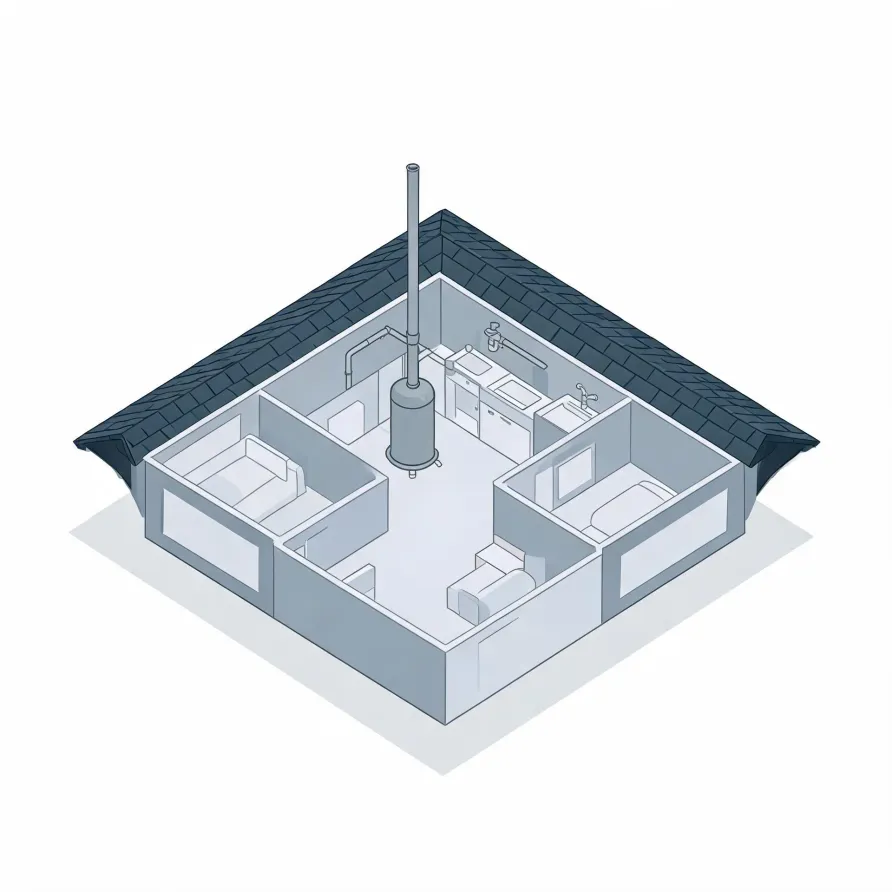
The water heater tank sits in a utility area, basement, or closet and holds water at a set temperature until a tap calls for it. The cold-water supply line feeds into it from below, and the hot-water outlet at the top carries heated water to the rest of the house. An energy source, either gas or electric, powers the heating element or burner inside the unit.
A pressure-relief valve mounts on the side of the tank and opens automatically if pressure inside builds too high. The discharge pipe runs from that valve down toward a floor drain. A drain valve at the base of the tank lets a contractor flush sediment out during setup or future service.
The drawing shows a typical layout, and a licensed contractor determines exactly what applies to your home and its existing plumbing connections.
Find a contractor in Wyandotte CountyWyandotte County, by the numbers
103 severe weather events were recorded in Wyandotte County, Kansas between 2015 and 2024.
NOAA National Centers for Environmental Information, Storm Events Database, bulk CSV export, events 2015-01-01 through 2024-12-31.Half the homes in Wyandotte County, Kansas were built in 1962 or earlier (2020-2024 ACS 5-year).
U.S. Census Bureau, 2020-2024 American Community Survey 5-Year EstimatesWyandotte County, Kansas holds 68,803 housing units (2020-2024 ACS 5-year).
U.S. Census Bureau, 2020-2024 American Community Survey 5-Year EstimatesOwners occupy 62.0% of the occupied homes in Wyandotte County, Kansas (2020-2024 ACS 5-year).
U.S. Census Bureau, 2020-2024 American Community Survey 5-Year EstimatesSevere Weather Events in Wyandotte County
Kansas weather puts real demands on water heating equipment. How hard a unit works over its life is partly a local question, and storm activity in Wyandotte County is part of that picture.
103 severe weather events, 2015–2024. Source: NOAA National Centers for Environmental Information, Storm Events Database.