Tell us about the job
Takes about a minute. No obligation.
Gas infrastructure already runs through nearly every home in this county. Utility gas heats more occupied homes in Pratt County, Kansas than any other fuel, at 72.6% (2020-2024 ACS 5-year). A contractor quoting a water heater replacement can assume a gas appliance in most houses, but that assumption shifts the work toward the flue. The existing vent connector, its diameter, its material, and whether it terminates correctly all determine what a new unit is allowed to be. A power-vent model and a natural-draft model do not share the same venting path, and installing the wrong one against the existing stack creates a carbon monoxide risk the homeowner cannot see.
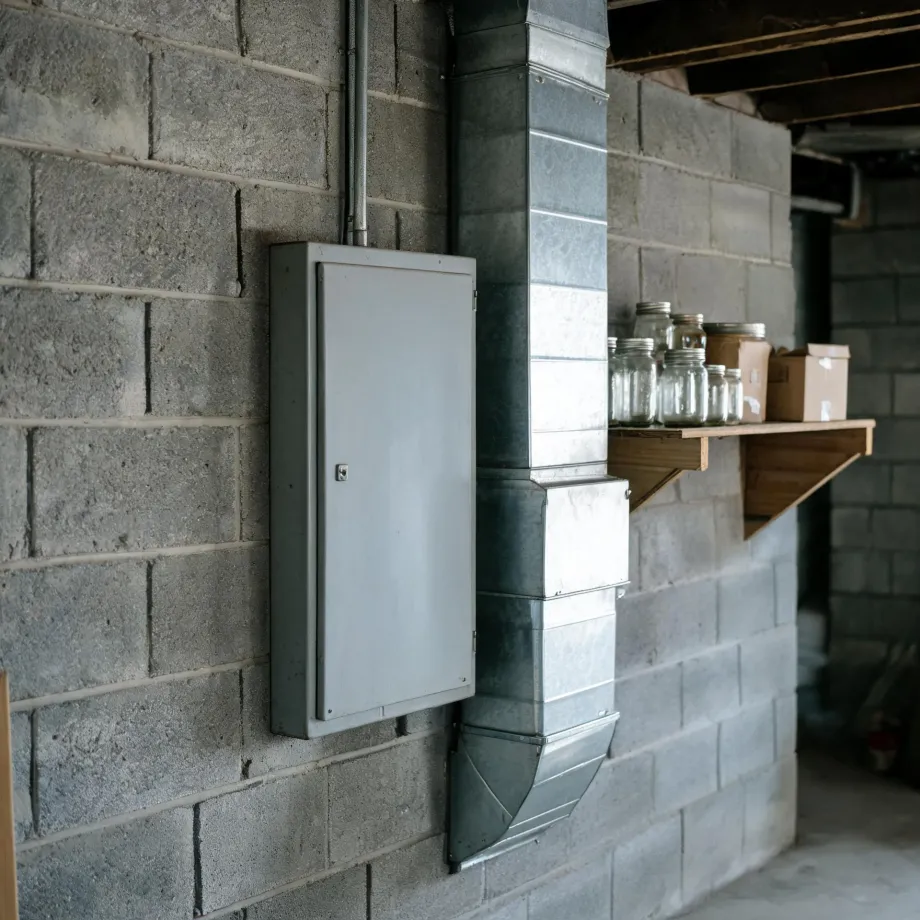
Ductwork and plumbing rough-ins laid down for one generation of equipment do not automatically suit what a contractor installs today. Half the homes in Pratt County, Kansas were built in 1956 or earlier (2020-2024 ACS 5-year). That age of construction means the layout a contractor walks into was designed around systems that look nothing like current water heater equipment, and the connections, clearances, and venting paths built into those houses reflect that. What a contractor quotes first is what the existing infrastructure will and will not accept, because that is what changes the scope of the job.
What a Water Heater Installation Covers
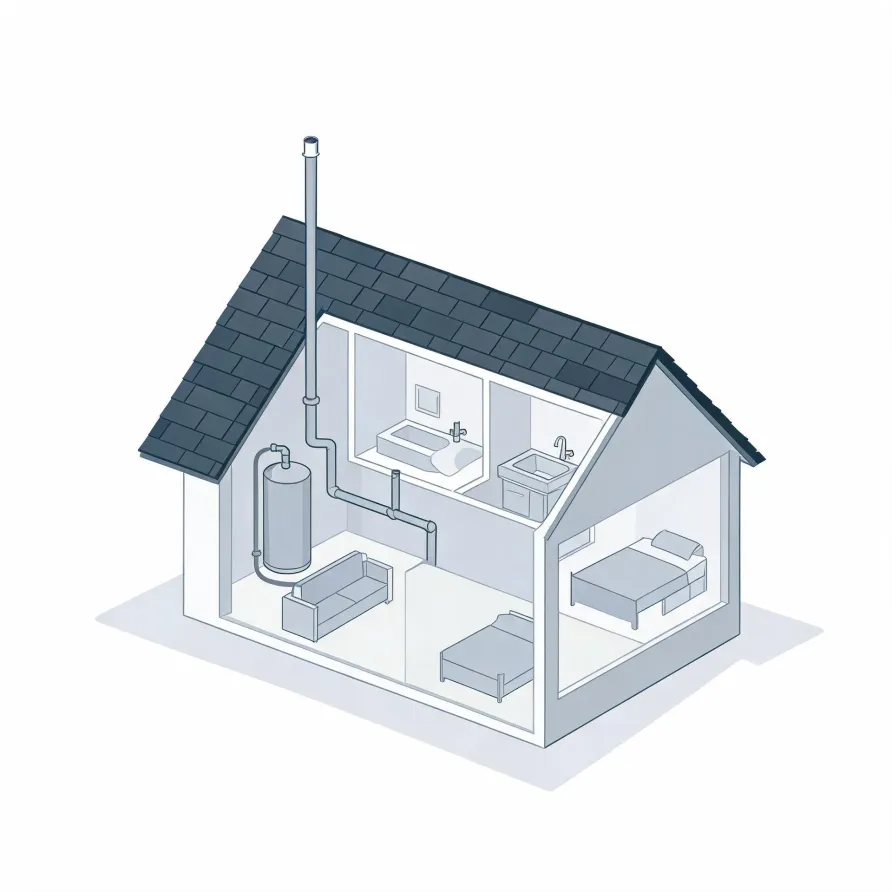
The tank or tankless unit is the centerpiece of the system, sitting in a utility room, basement, or garage and holding or heating water on demand. Attached to it are the cold supply inlet and hot outlet lines, which carry water in from the home's plumbing and out to every fixture.
A pressure relief valve mounts directly on the tank and opens if internal pressure climbs past a safe point. The flue or venting pipe runs from the unit to an exterior wall or roof, carrying combustion gases out of the house. A drain valve at the base of the tank lets a contractor flush sediment that collects over time.
The drawing shows a typical layout, and a licensed contractor determines exactly what the installation involves in your home.
Find a contractor in Pratt CountyPratt County, Kansas, by the numbers
158 severe weather events were recorded in Pratt County, Kansas between 2015 and 2024.
NOAA National Centers for Environmental Information, Storm Events Database, bulk CSV export, events 2015-01-01 through 2024-12-31.Half the homes in Pratt County, Kansas were built in 1956 or earlier (2020-2024 ACS 5-year).
U.S. Census Bureau, 2020-2024 American Community Survey 5-Year EstimatesPratt County, Kansas holds 4,364 housing units (2020-2024 ACS 5-year).
U.S. Census Bureau, 2020-2024 American Community Survey 5-Year EstimatesOwners occupy 73.2% of the occupied homes in Pratt County, Kansas (2020-2024 ACS 5-year).
U.S. Census Bureau, 2020-2024 American Community Survey 5-Year EstimatesSevere Weather Events in Pratt County
Kansas weather puts real demands on water heating equipment, and those demands vary by where you are. How hard a water heater works over its life is a local question, and the record of what this county has faced is part of that picture.
158 severe weather events, 2015–2024. Source: NOAA National Centers for Environmental Information, Storm Events Database.