Tell us about the job
Takes about a minute. No obligation.
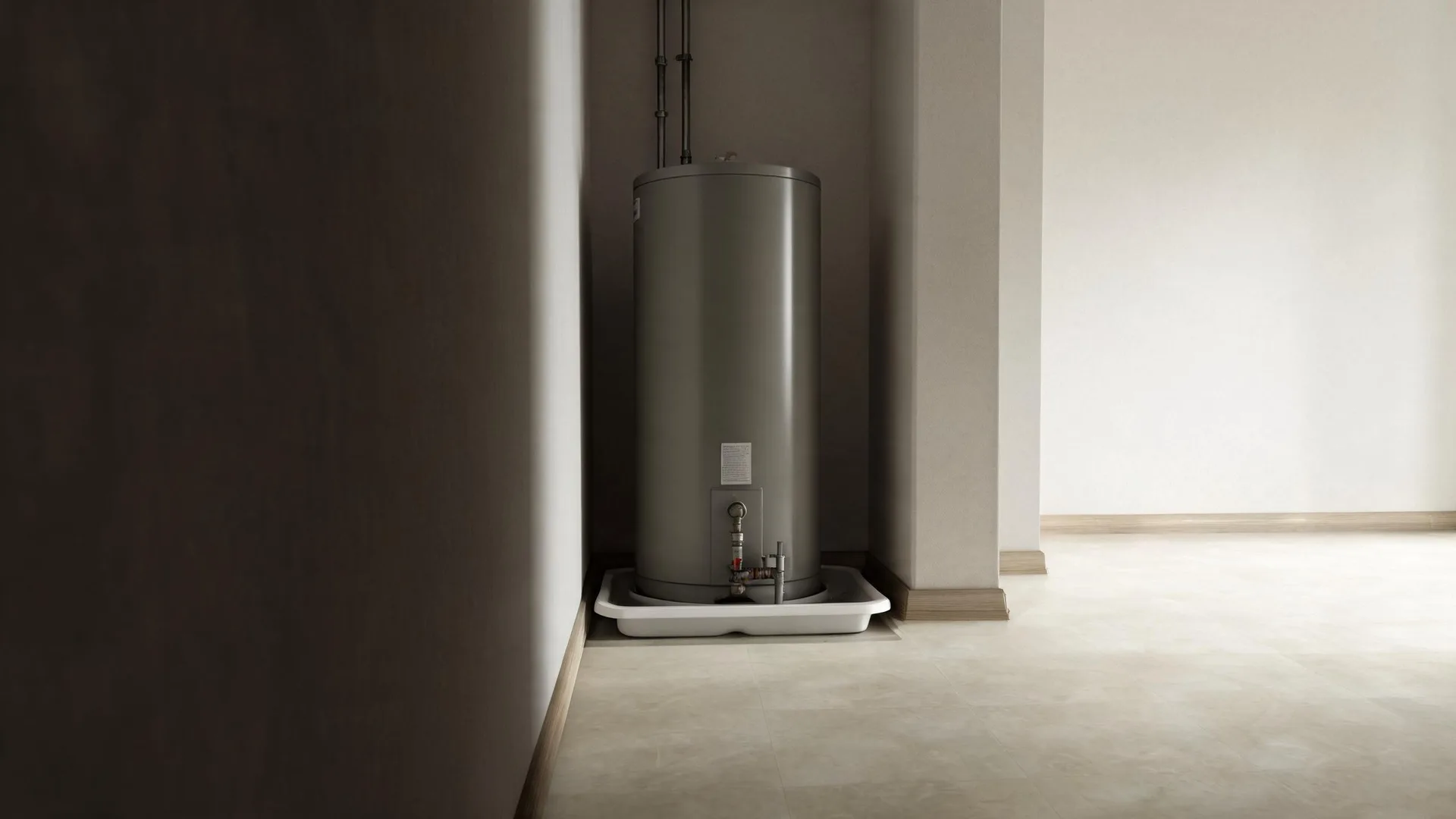
Gas water heater replacement here starts with the vent run and the combustion air supply, not the fuel question. Utility gas heats more occupied homes in Chautauqua County, Kansas than any other fuel, at 52.7% (2020-2024 ACS 5-year). A contractor installing a new unit in a gas-supplied home has to confirm the flue is correctly sized for the new equipment, that the draft is clean, and that the space around the unit pulls in enough fresh air for safe combustion. A sealed or undersized combustion air opening pushes carbon monoxide back into the living space, so that check comes before anything else on the job.
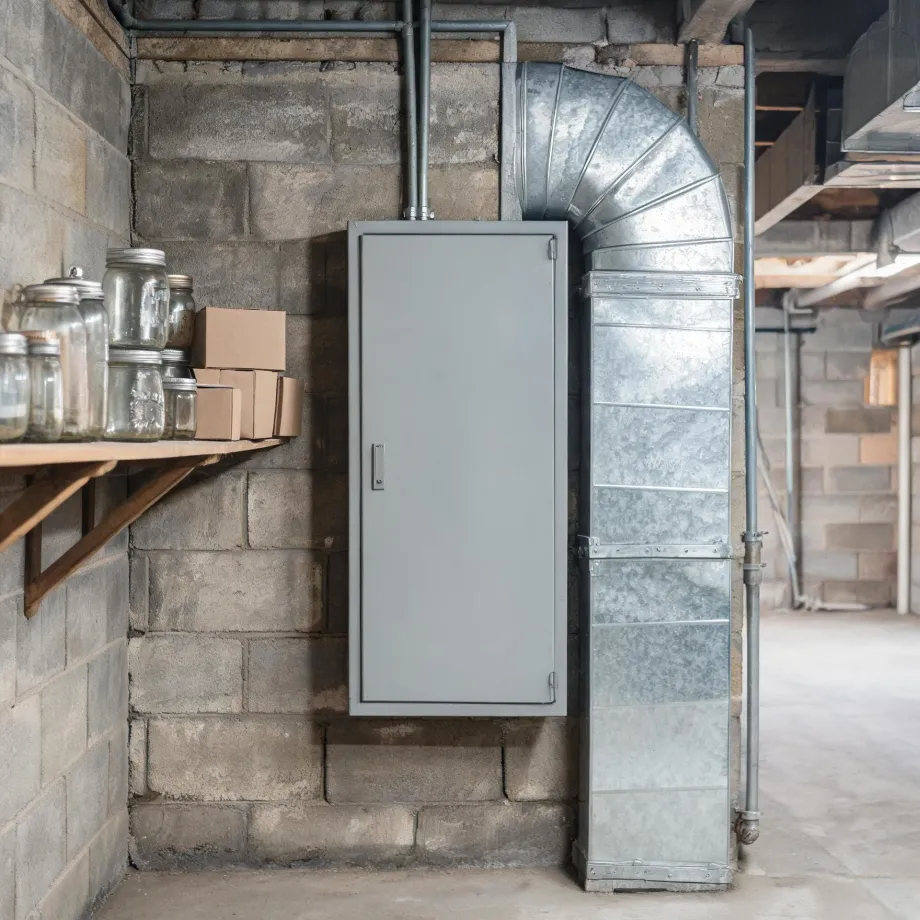
The electrical panel in a house this old was sized for a load profile that has nothing to do with what a modern water heater pulls. Half the homes in Chautauqua County, Kansas were built in 1961 or earlier (2020-2024 ACS 5-year). A contractor coming out to install a new unit checks the service capacity before anything else, because undersized wiring cannot simply be worked around. If the panel needs an upgrade, that becomes part of the job scope, and the homeowner needs that answer before committing to a unit.
What a Water Heater Installation Covers
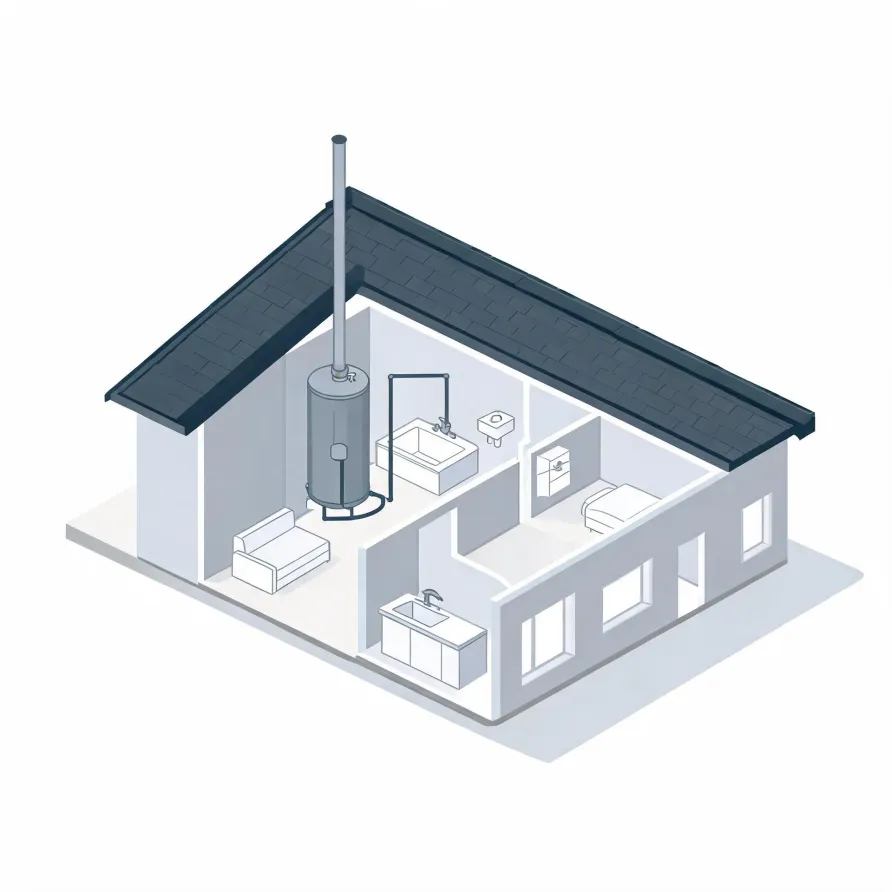
The tank is the piece a homeowner notices first, usually standing in a utility closet, basement, or garage. It holds and heats the water your fixtures draw from. Attached to the top of the tank, the cold supply line brings water in and the hot outlet line carries it out to the rest of the house.
The pressure relief valve mounts directly on the tank and opens if pressure inside rises beyond a safe level. A drain valve sits near the base. The flue or exhaust vent runs upward from a gas unit, while an electric unit connects to a dedicated circuit at the panel.
The drawing shows a typical layout, and a licensed contractor determines which components and configurations apply to your specific home.
Find a contractor in Chautauqua CountyChautauqua County, Kansas, by the numbers
71 severe weather events were recorded in Chautauqua County, Kansas between 2015 and 2024.
NOAA National Centers for Environmental Information, Storm Events Database, bulk CSV export, events 2015-01-01 through 2024-12-31.Half the homes in Chautauqua County, Kansas were built in 1961 or earlier (2020-2024 ACS 5-year).
U.S. Census Bureau, 2020-2024 American Community Survey 5-Year EstimatesChautauqua County, Kansas holds 1,975 housing units (2020-2024 ACS 5-year).
U.S. Census Bureau, 2020-2024 American Community Survey 5-Year EstimatesOwners occupy 82.0% of the occupied homes in Chautauqua County, Kansas (2020-2024 ACS 5-year).
U.S. Census Bureau, 2020-2024 American Community Survey 5-Year EstimatesSevere Weather Events in Chautauqua County
Chautauqua County's weather puts real demand on water heaters, driving recovery cycles and shortening equipment life faster than in milder climates. How hard a unit has to work is a local fact, and the record below reflects the conditions your equipment runs against.
71 severe weather events, 2015–2024. Source: NOAA National Centers for Environmental Information, Storm Events Database.