Tell us about the job
Takes about a minute. No obligation.
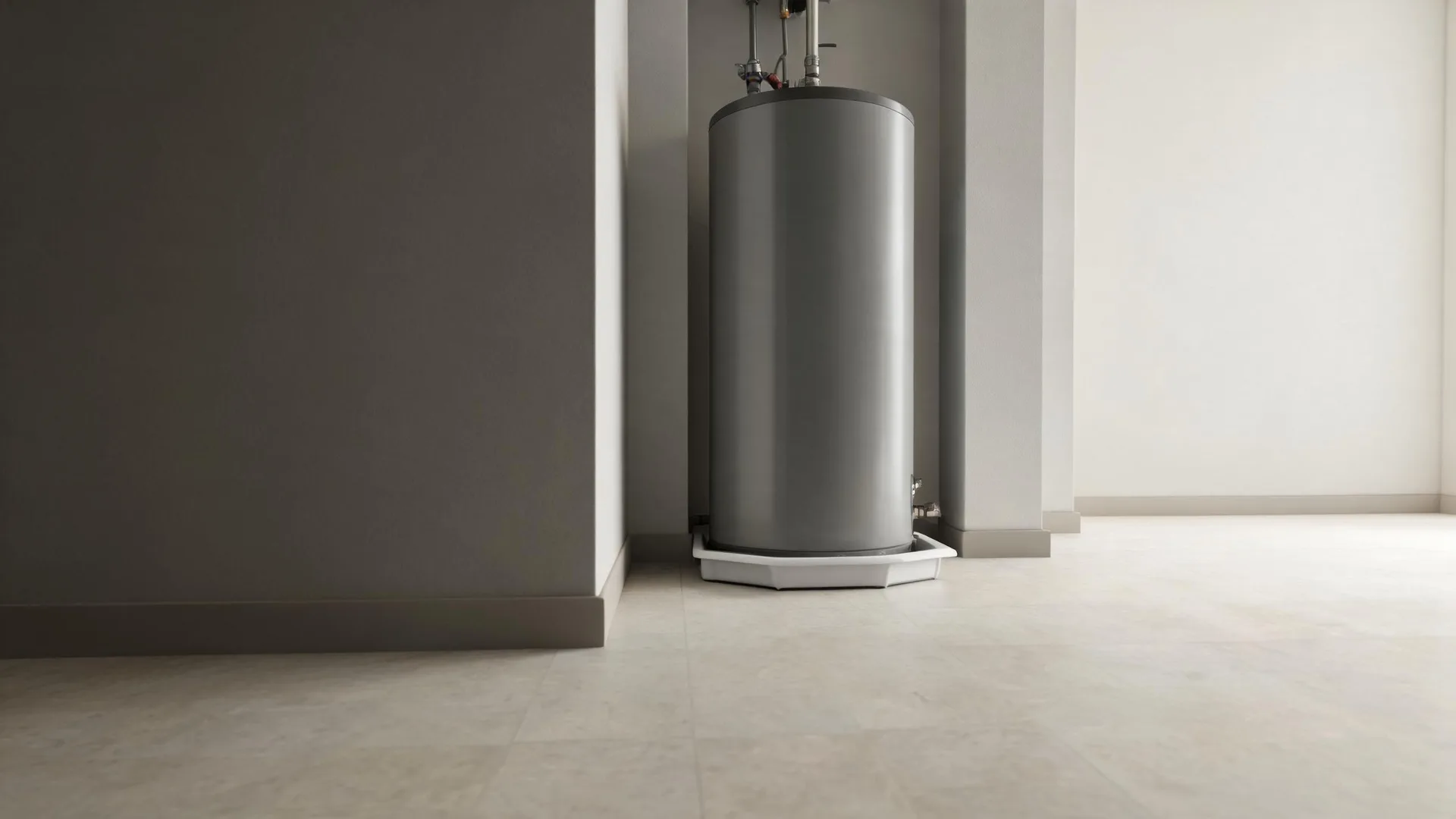
Gas water heater installations in Cheyenne County start from a settled premise. Utility gas heats more occupied homes in Cheyenne County, Kansas than any other fuel, at 71.6% (2020-2024 ACS 5-year). A contractor quoting a replacement here spends no time weighing fuel options against each other. The venting path, the gas line, and the combustion air supply are already in place, and the work concentrates on sizing the new unit to the household load and making sure that existing infrastructure is still up to the job. A corroded flue or an undersized gas line shows up at commissioning, not before, so a contractor who inspects those first saves the homeowner a second visit.
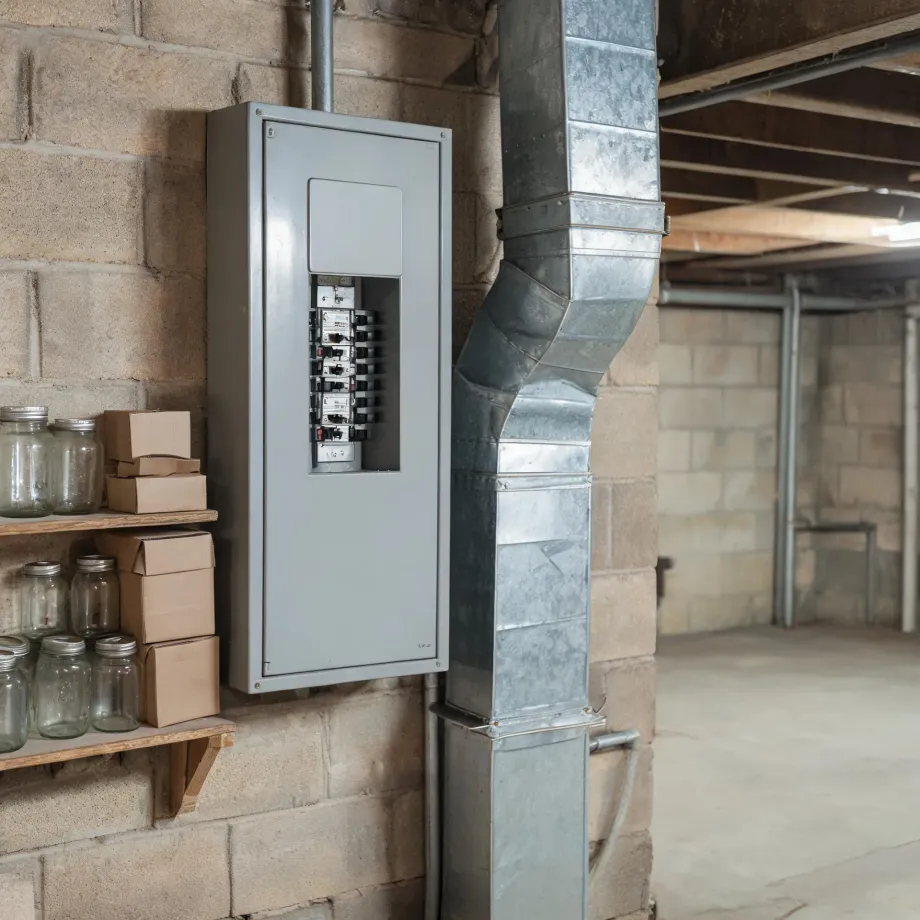
The electrical service panel is where a water heater installation in Cheyenne County most often gets complicated. Half the homes in Cheyenne County, Kansas were built in 1951 or earlier (2020-2024 ACS 5-year). Houses built in that era were wired for smaller loads, and a modern electric water heater can outrun what the existing service was sized to carry. A licensed contractor will pull the panel before quoting, because if the capacity is not there, adding a circuit or upgrading the service becomes part of the job.
What a Water Heater Installation Covers
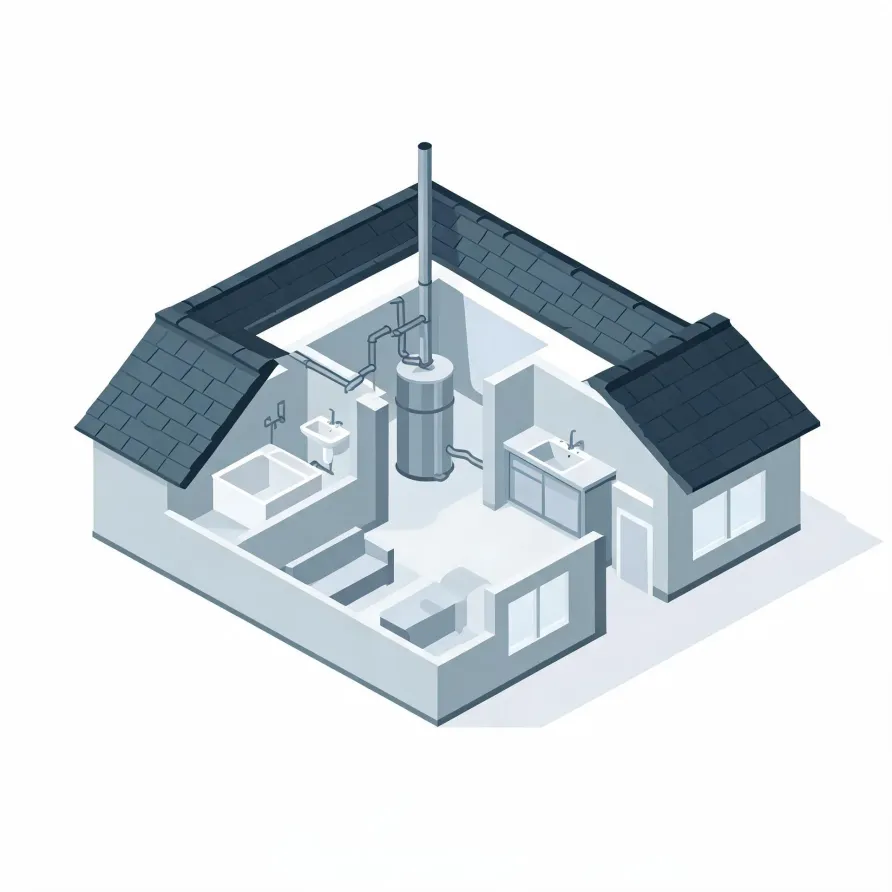
The tank or tankless unit is the heart of the system. A storage-tank water heater sits in a utility room, basement, or garage and holds a reservoir of heated water ready for use. A tankless unit mounts to a wall and heats water only when a tap opens.
A cold-water supply line feeds into the unit, and a hot-water outlet line carries water to every fixture in the house. A pressure relief valve mounts directly on the tank as a safety device. Gas models also require a dedicated gas supply line and a flue pipe to carry exhaust out of the home.
The drawing shows a typical layout, and a licensed contractor determines exactly what applies to this house.
Find a contractor in Cheyenne CountyCheyenne County, Kansas, by the record
306 severe weather events were recorded in Cheyenne County, Kansas between 2015 and 2024.
NOAA National Centers for Environmental Information, Storm Events Database, bulk CSV export, events 2015-01-01 through 2024-12-31.Half the homes in Cheyenne County, Kansas were built in 1951 or earlier (2020-2024 ACS 5-year).
U.S. Census Bureau, 2020-2024 American Community Survey 5-Year EstimatesCheyenne County, Kansas holds 1,455 housing units (2020-2024 ACS 5-year).
U.S. Census Bureau, 2020-2024 American Community Survey 5-Year EstimatesOwners occupy 77.9% of the occupied homes in Cheyenne County, Kansas (2020-2024 ACS 5-year).
U.S. Census Bureau, 2020-2024 American Community Survey 5-Year EstimatesSevere Weather Events in Cheyenne County
Cheyenne County weather puts real demands on water heating equipment, and those demands shape what a proper installation here needs to handle. Sizing and setup decisions that ignore local conditions leave homeowners with hardware that works harder than it should.
306 severe weather events, 2015–2024. Source: NOAA National Centers for Environmental Information, Storm Events Database.