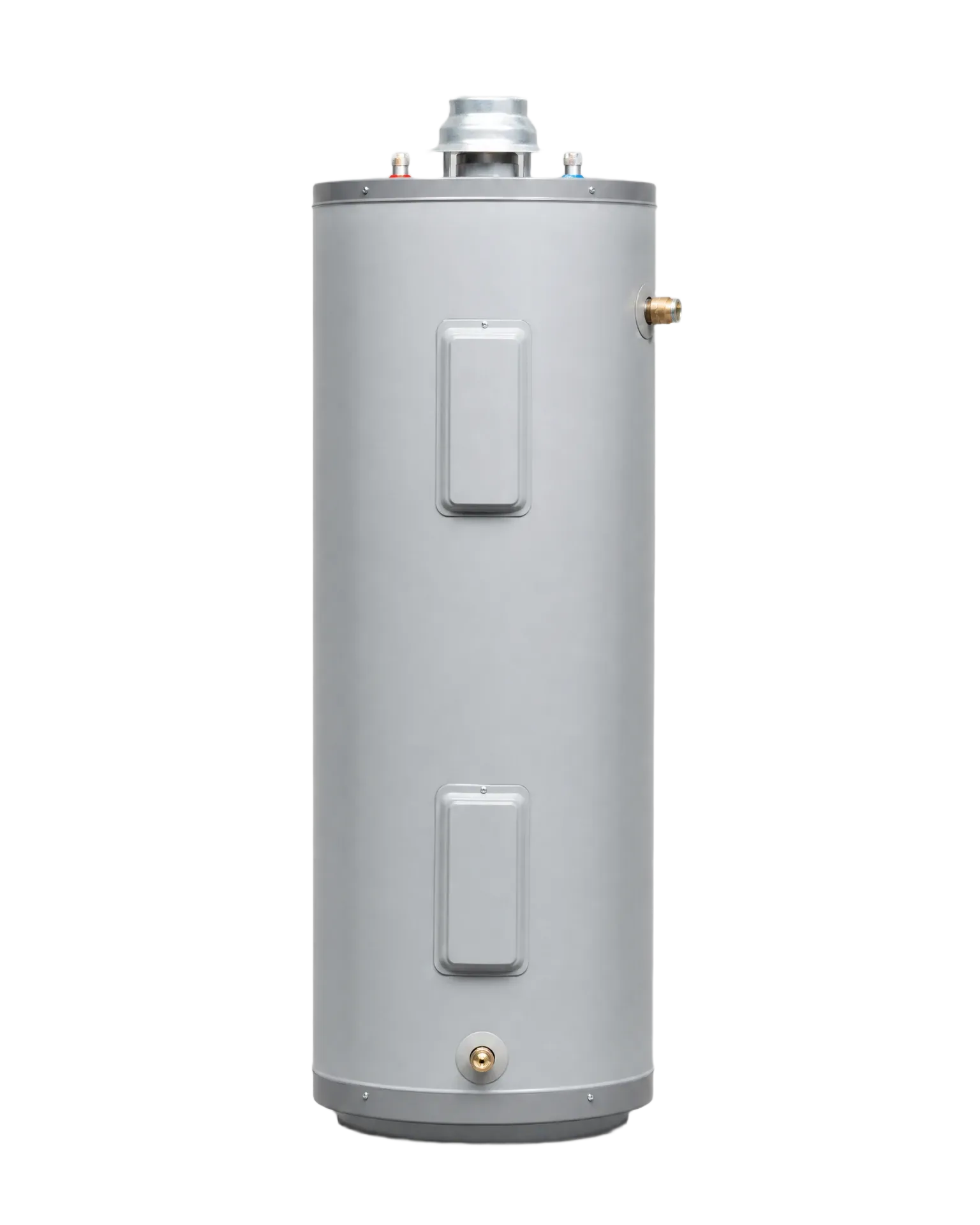

Sediment, Not Failing
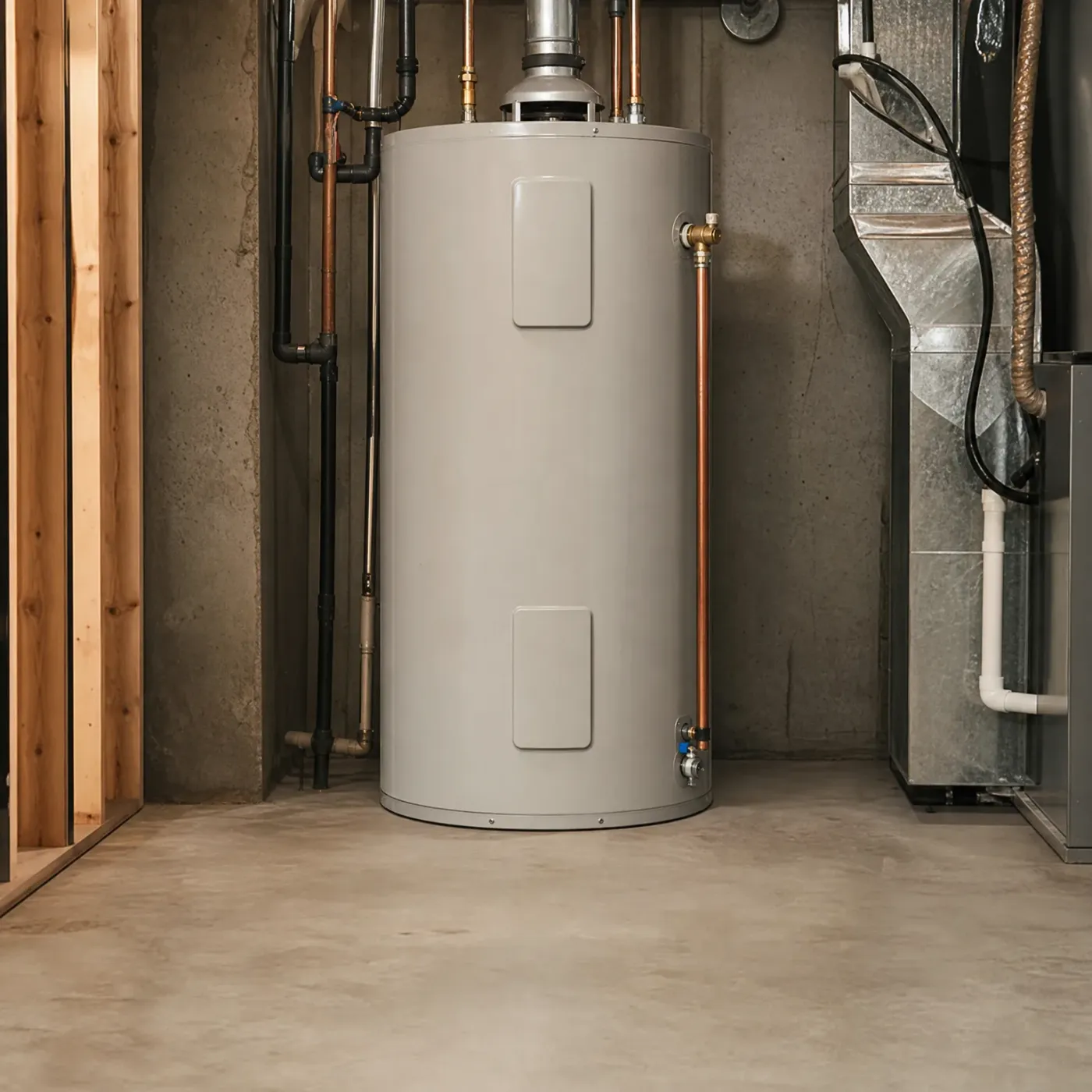
This is what a tank sounds like with loose sediment at the bottom. The popping happens as water works its way through that layer and turns to steam. The tank still heats fine, and the noise alone doesn't mean it's wearing out.
That popping or rumbling sound usually shows up when the tank is heating, and it can be loud enough to notice from another room. It's not dangerous by itself, but it's a sign the tank has been working harder than it should for a while. With Wyandotte County water, this builds up over time whether the heater runs on gas or electric.
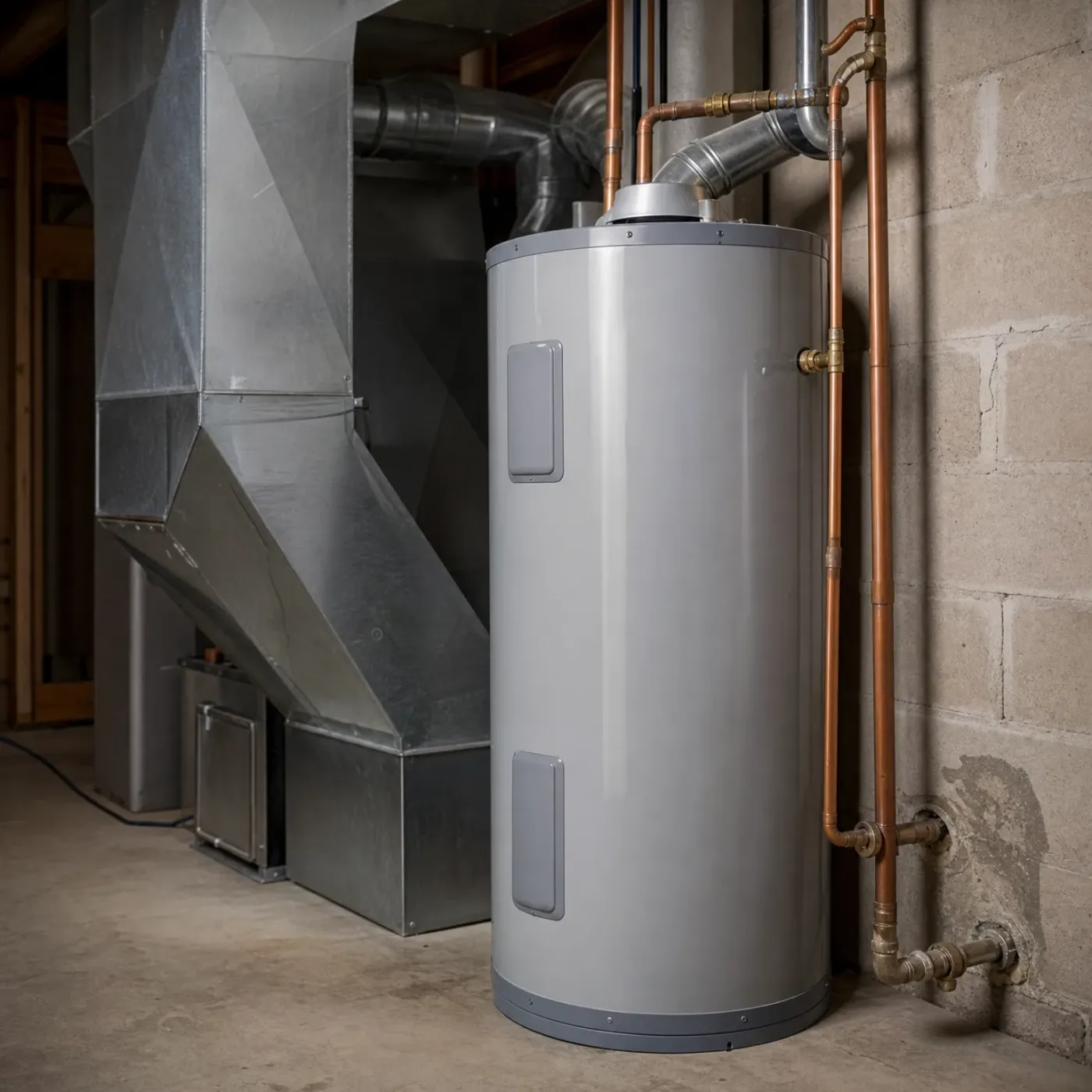
Water carries minerals, and over months and years those minerals settle to the bottom of the tank as sediment. When the burner or heating element fires, water trapped under that layer turns to steam and pushes up through it, and that's the popping you hear. The thicker the layer gets, the louder and more frequent the noise. It also means the burner or element has to run longer to heat the same amount of water, since the sediment sits between the heat source and the water above it. Left alone, this can wear on the tank itself. A contractor can flush the tank to clear the buildup, or check whether the damage already goes further.
This is what a tank sounds like with loose sediment at the bottom. The popping happens as water works its way through that layer and turns to steam. The tank still heats fine, and the noise alone doesn't mean it's wearing out.

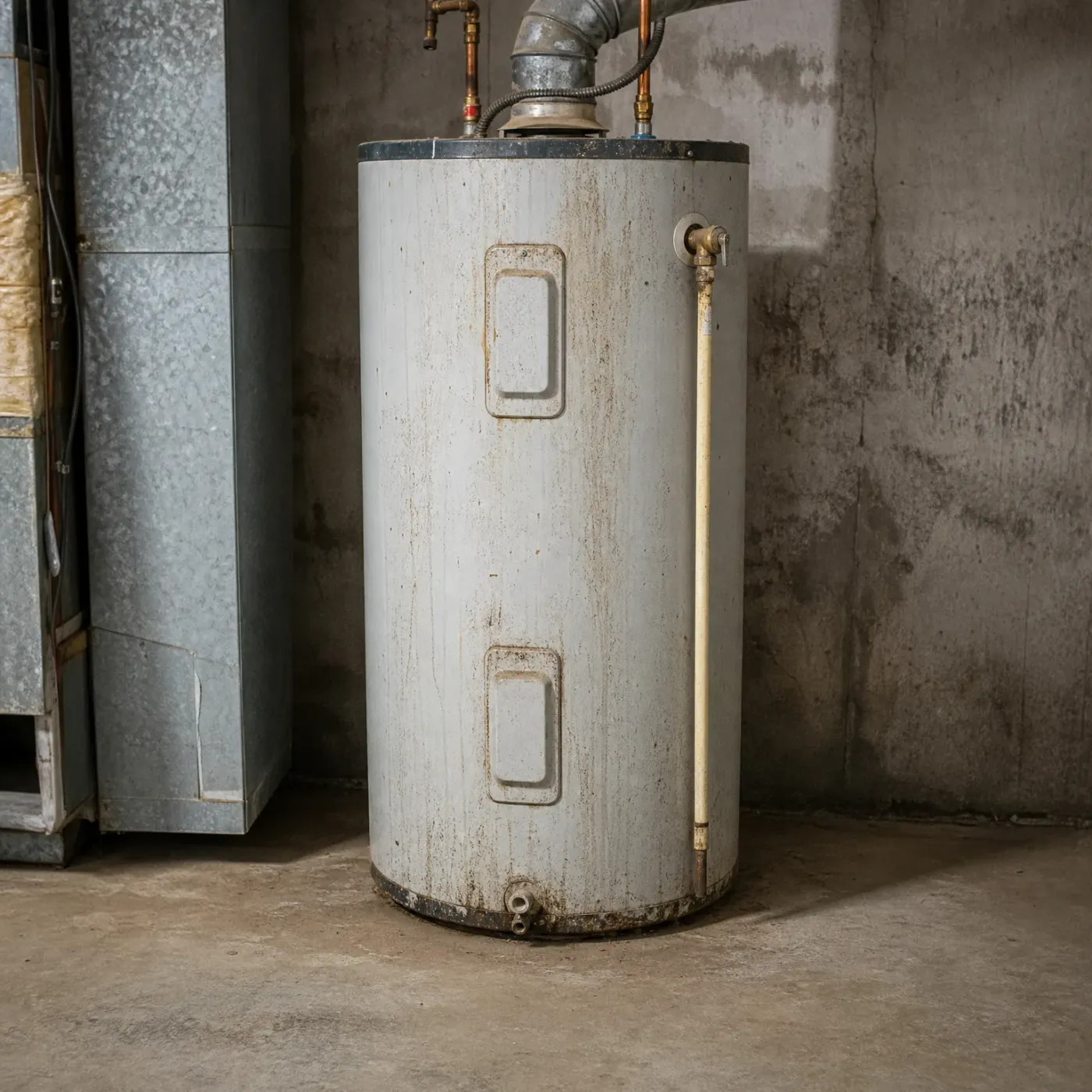
This is what happens when sediment sits for years and hardens against the steel. The layer traps heat against the tank wall, and the rust here shows the metal has been under that strain a long time. A tank in this shape is closer to the end than the start.
2.7 people per household on average
Most households here run 2.7 people, so the tank is heating and reheating water all day long, which gives sediment plenty of chances to build up at the bottom.
Half the homes here were built by 1962
Half the homes in the county went up in 1962 or earlier, and a water heater that old or in a house that old has usually seen years of sediment settle undisturbed.
67.5% of homes heat with gas
Gas heats 67.5% of homes here, and a gas burner sits right under the tank, so sediment popping shows up as a sound you can hear, not just a feeling in the water.
ACS 2020-2024
The noise itself won't wake you up at night, but a few things come with it. The tank has to run longer to push heat through that layer of sediment, so your gas bill creeps up even though nobody in the house changed their habits. Hot water can run out faster than it used to, especially if your household is doing dishes, laundry, and showers back to back in the evening. The bottom of the tank is also where that sediment sits against the metal, and over time that's the spot most likely to wear through first. None of this means the tank is failing tonight. It means the popping is worth having a contractor look at before it turns into a leak on your basement floor or a water heater that can't keep up with a Wyandotte County winter, when the incoming water is coldest and the tank works hardest to bring it up to temperature.
If your water heater is electric, that sediment layer costs you at 14.34 cents per kilowatt-hour every time the tank runs longer to push heat through it. A gas unit won't show it on the power bill, but an electric one will, month after month, until the popping gets looked at.
EIA-861 2025
Leave it alone and the popping continues. The tank still heats water, the sound comes and goes, and nothing forces your hand today.
Leave it long enough and that sediment layer turns from noise into damage, the tank working harder each month until it's the metal underneath giving out instead of the water on top.


Explain the water heater problem once instead of to every shop in Wyandotte County.
Get matched with a pro who fixes water heaters in Wyandotte County.
Asking costs nothing, and the choice to hire stays yours.
You'll hear it most when someone runs a hot shower or starts the dishwasher, a popping or crackling from down in the utility closet or basement. Some households notice the water taking longer to get hot, or the tank running through hot water quicker than it used to. You might see a little rust-colored water out of the tap when the tank first kicks on. None of that means the tank is about to quit. It does mean the sediment layer is thick enough to notice, and left alone, that layer keeps the burner or element working longer than it should every single day.
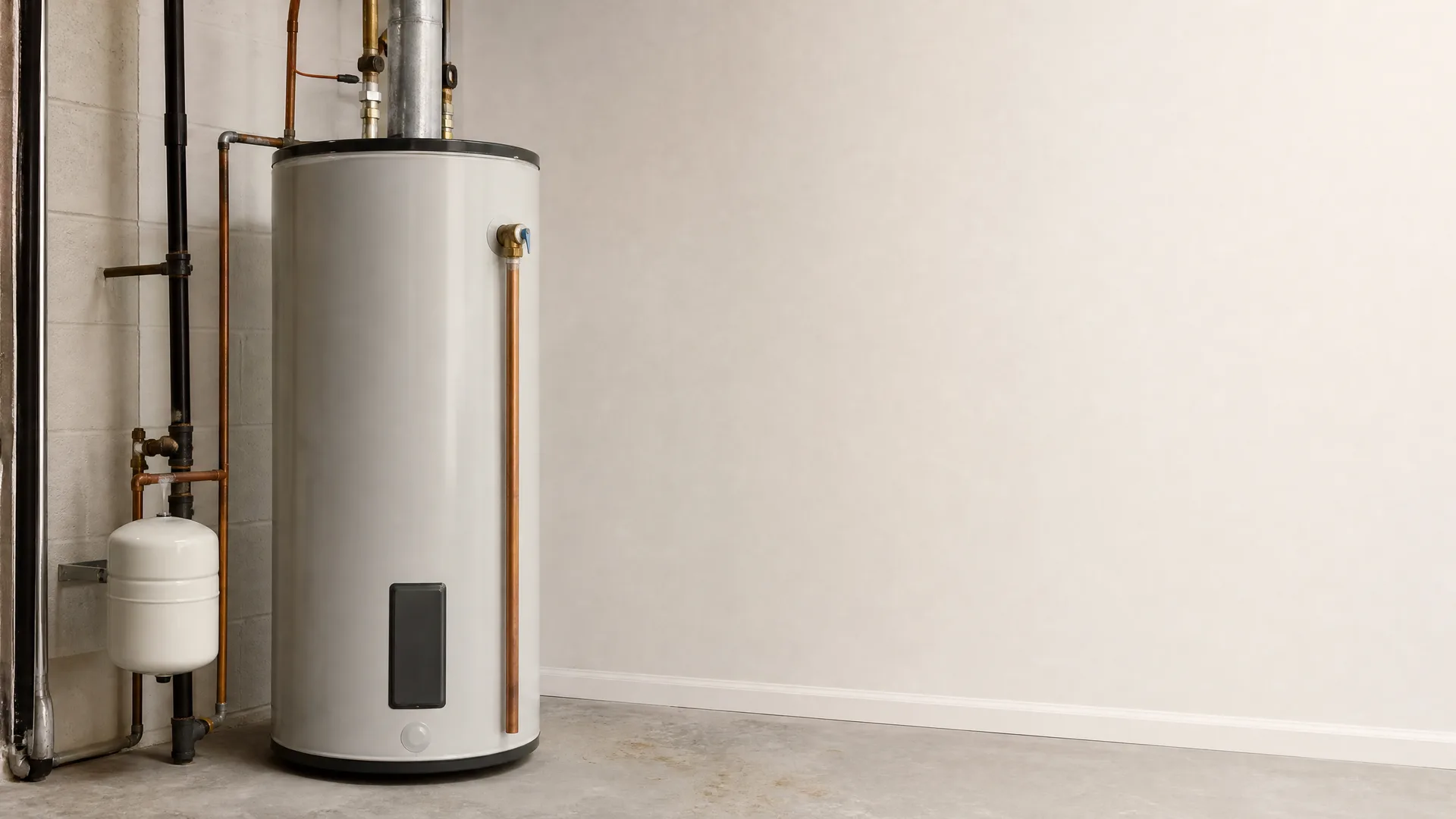
A contractor can drain the tank and flush the sediment out before it packs down any harder. On a tank that's never been flushed, this can take some extra time, since years of buildup don't break loose in a minute. Once it's out, the popping stops and the tank goes back to heating the way it did when it was new. It also gives you a look at the tank's condition, the fittings, and whether the anode rod still has life left in it.
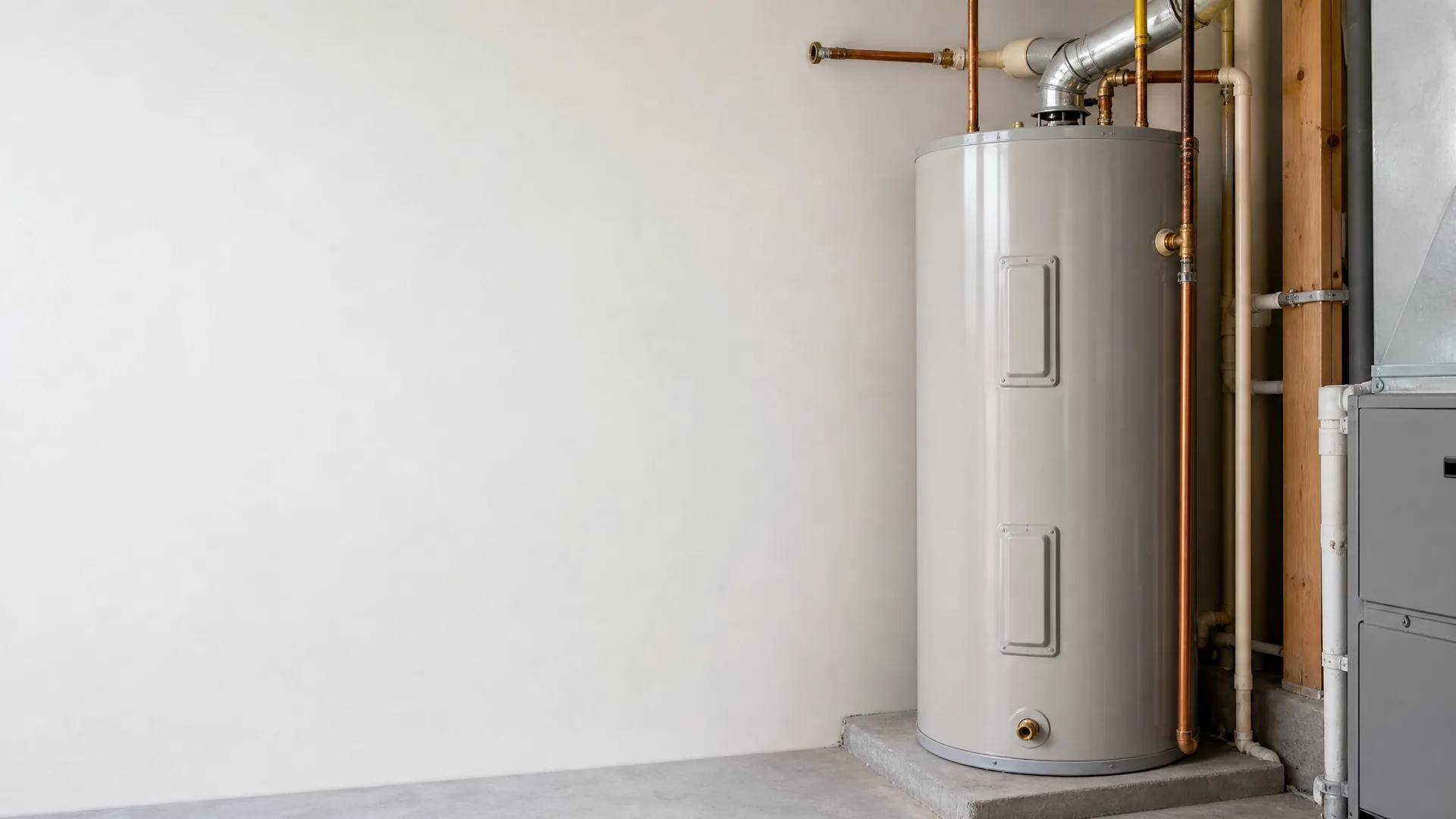
Skip the flush and the sediment keeps hardening against the bottom of the tank, and the popping gets louder rather than quieter. Eventually the tank can't push heat through it well, the burner or element runs longer for the same hot shower, and the metal underneath that layer takes the wear instead of the water. Once that happens, flushing it won't undo the damage, and you're looking at a tank that fails years before it should have.
The popping comes from sediment at the bottom of the tank, and the fix is straightforward once you decide to deal with it. Steam works its way up through that layer every time the burner or element fires, and that's the sound you're hearing. On its own, it doesn't mean the tank is failing. It means the tank has been heating long enough for minerals in the water to settle and build a layer that wasn't there before. That layer makes the tank work harder than it needs to, which shows up as a longer burner cycle or a slower recovery, and eventually as a higher bill. None of that happens overnight. A flush while the tank is still heating normally clears the sediment out and the popping stops with it, since there's nothing left down there for steam to push through. Put it off, and the layer keeps thickening, the tank running longer each month to do the same job. Past a certain point, that buildup can wear at the tank from the inside, and a flush at that stage won't undo it. The noise itself doesn't force the decision. The tank will keep heating water whether the sediment gets flushed this month or next. What the noise tells you is which way things are headed, and that's worth knowing whether you act on it now or later.




Find a water heater repair pro in Wyandotte County
One form replaces the calls you'd make to find a water heater pro.
