
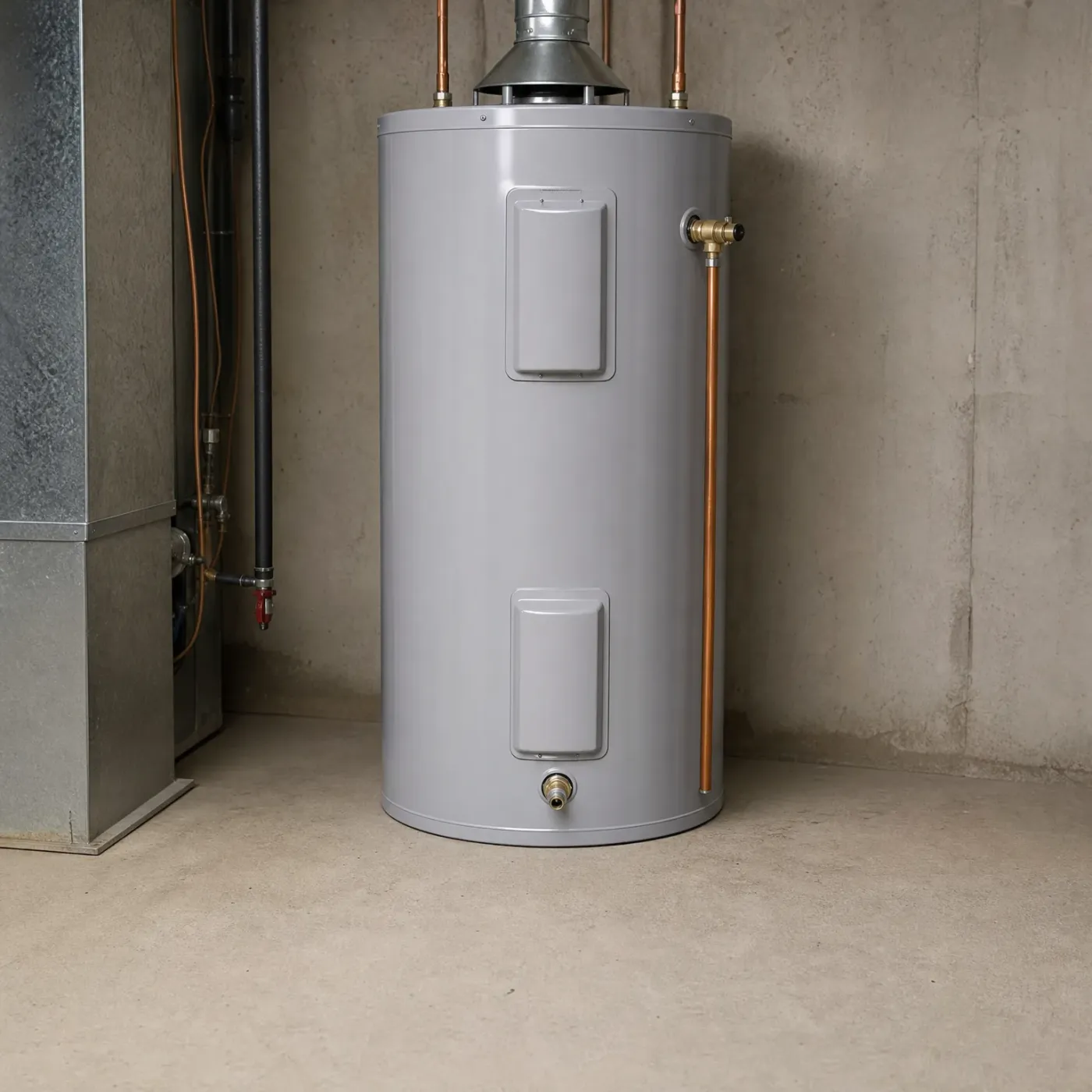
Pilot holding steady
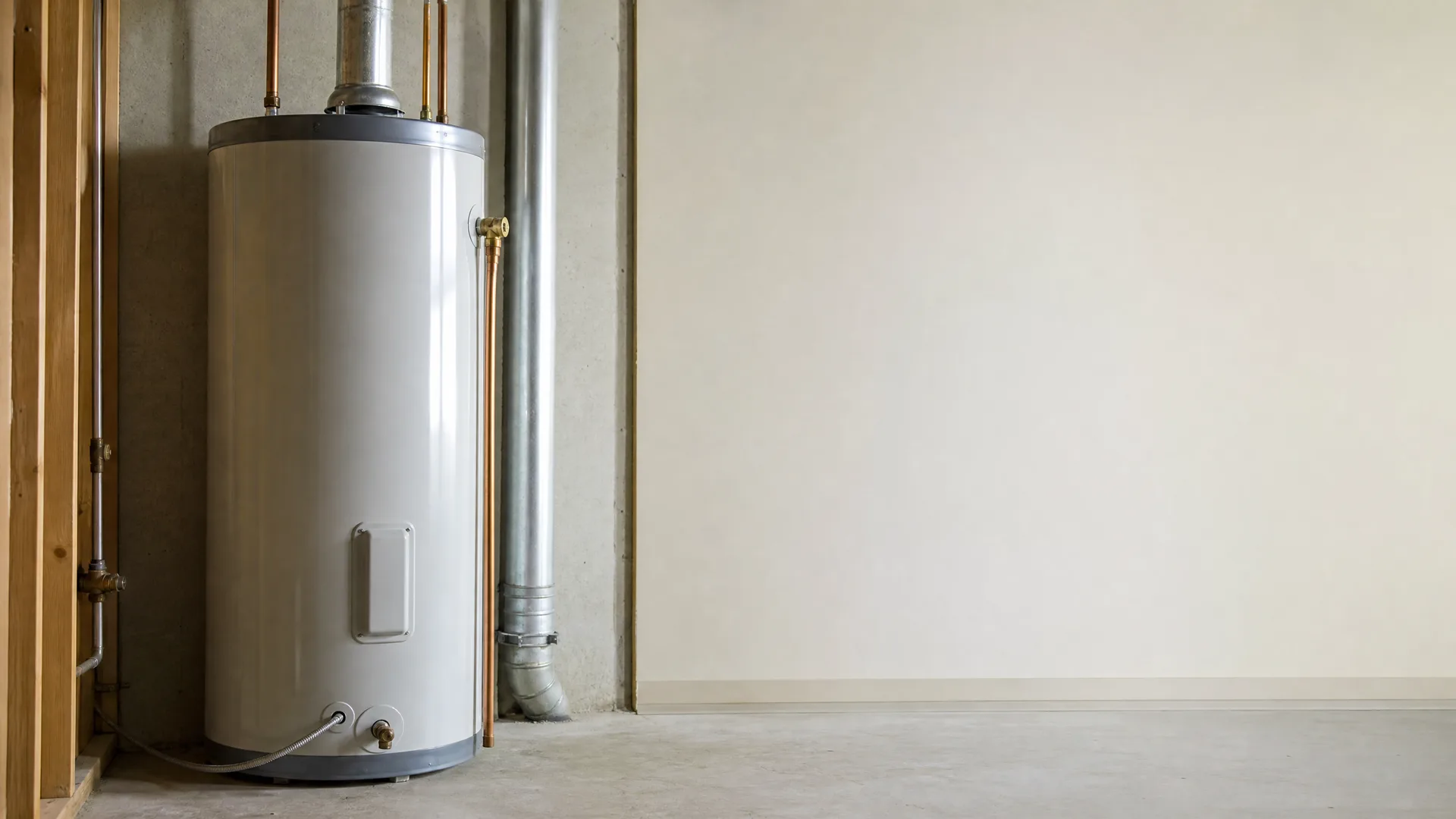
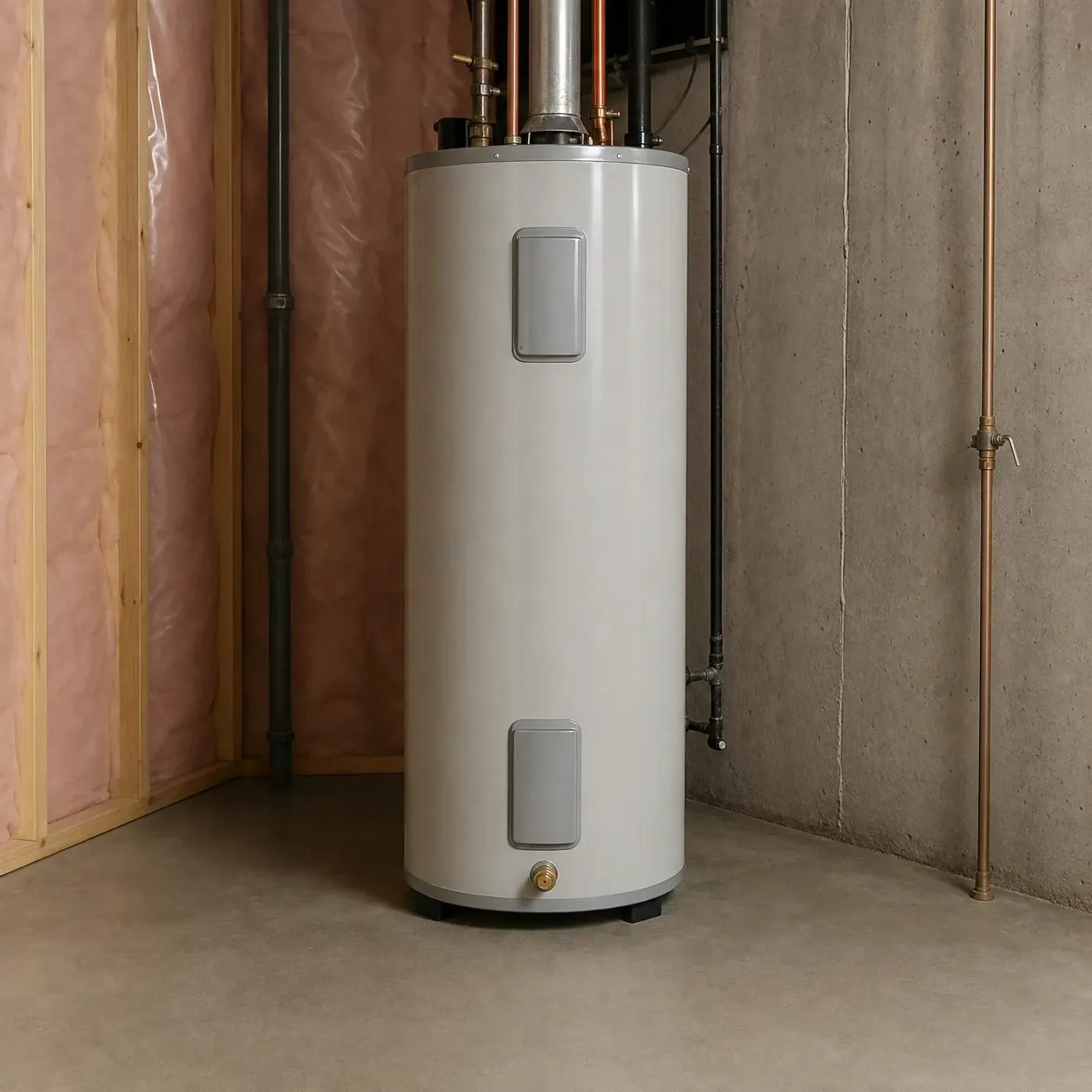
A setup like this keeps running the way it should. The access panels, the relief valve and its discharge pipe, the flue at the top, all doing their job while the pilot stays lit. Nothing here is fighting the tank.
A pilot that won't stay lit means no hot water in your house until it's fixed, and in a Lawrence winter that's not something to put off. Cold showers are an annoyance in July. In January they're a real problem, especially with a house full of people who all need to get ready for work and school. The cause might be a thermocouple that's given out, a draft finding its way to the pilot, or a gas valve on its way out, and sorting out which one takes someone who works on these units regularly. Send the request and you're done hunting for who's available and who'll actually answer. It goes to one licensed contractor working in Douglas County, someone who sees this exact problem on gas water heaters all through the colder months and knows where to look first. No waiting on hold with three different companies, no retelling the problem over and over. Just one call, from someone ready to get your hot water going again.
A pilot that won't stay lit usually comes down to one of a few things, and most of them need a hand to fix rather than another match. You want to know what's actually wrong before you spend an evening relighting it over and over, especially with the water tank sitting cold in the meantime.
The thermocouple is a small sensor that sits in the pilot flame and tells the gas valve the flame is lit. Once it wears out, it can't hold that signal, so the valve shuts the gas off and the pilot goes dark. That's the most common reason by far. A draft from a vent or a gap near the water heater can also blow the flame out directly, which shows up more in winter when the furnace and the water heater are both pulling air through the house. Either way, this isn't something to keep relighting yourself. A gas valve or thermocouple needs a licensed hand, and with gas involved it isn't worth guessing at.




2.21 people per household on average
Most Douglas County households run 2.21 people, so a dead pilot usually means every shower, dish and load of laundry in the house is waiting on the same fix.
Half the homes here were built by 1988
Half the homes in the county went up in 1988 or earlier, so if yours is one of them, the tank and gas line have likely been serviced or replaced at least once already.
59.3% of homes heat with gas
Gas heats 59.3% of homes here, more than any other fuel, so a pilot that won't hold is one of the most common calls a local plumber gets.
ACS 2020-2024
The thermocouple is a small copper rod that sits right in the pilot flame. When the pilot is burning, the heat on that rod sends a tiny signal to the gas valve telling it the flame is lit and it's safe to keep feeding gas to the burner. Once that rod wears out or gets coated with soot, the signal gets weak or stops. The gas valve reads that as the pilot being out, even if it's still burning, and it cuts the gas to protect the house. That's the shutoff doing its job, not a malfunction. A thermocouple is the usual culprit, but it isn't the only one. A draft slipping in from a nearby vent or a window can blow the pilot out on windy days, and a pilot orifice clogged with dust or lint can starve the flame until it dies on its own. Relighting the pilot by hand will get you hot water for a night or two if the part behind it is sound. If it goes out again within a day, something downstream needs attention. A failing gas valve can look exactly like a bad thermocouple from where you're standing, both end with the pilot refusing to stay lit, and telling them apart takes testing the valve itself rather than guessing from the symptom. That's why the fix sometimes costs more than a ten-dollar part.
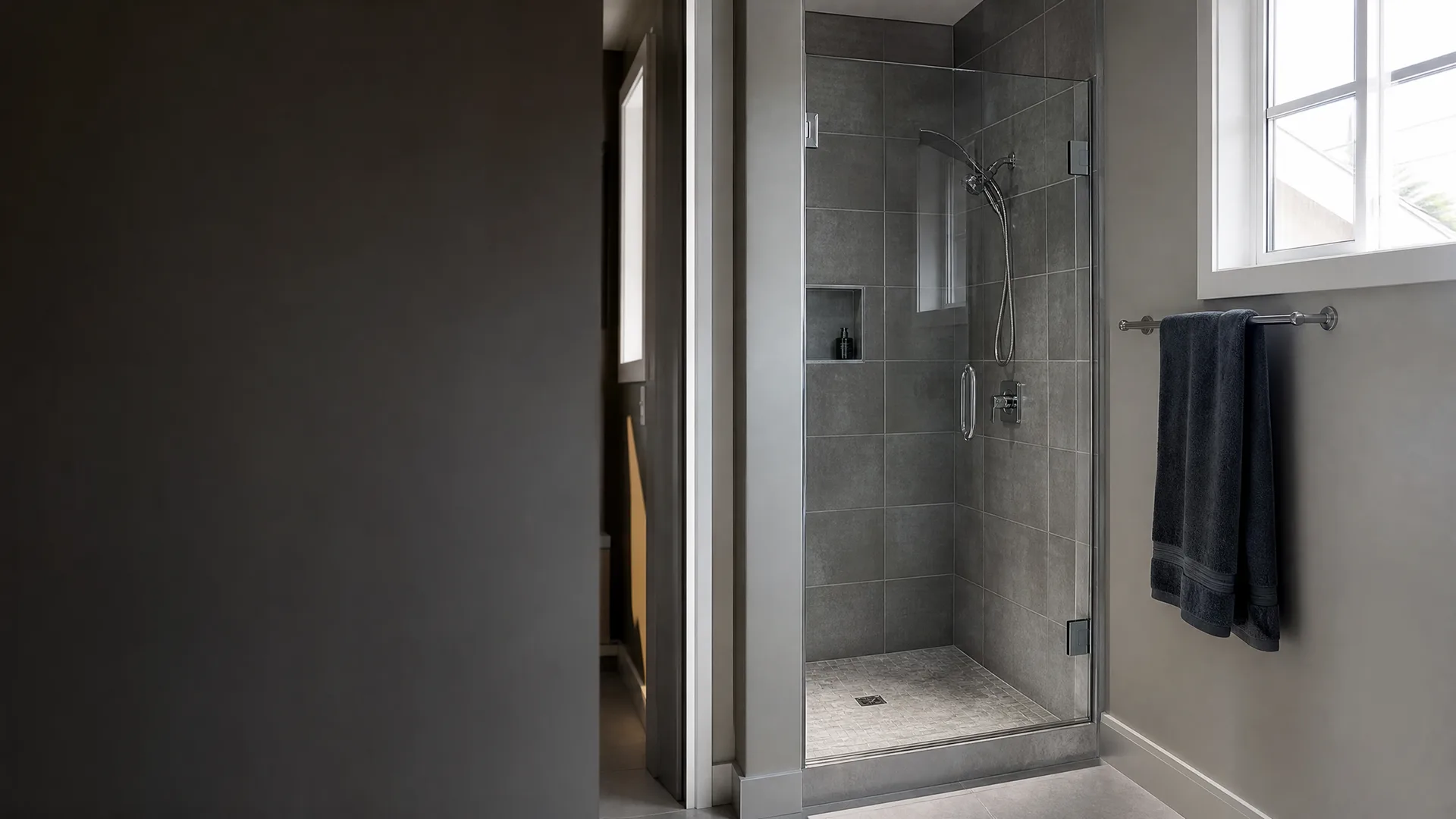
It's a weekday morning, half past six, and the bathroom upstairs is cold and quiet. You turn the shower handle and wait for steam that doesn't come. The water runs, but it never climbs past lukewarm, then settles into cold. The towel's still on the rail where you left it last night. Downstairs the pilot's out again, same as the note you left yourself to deal with it. You've got a house to get moving and nobody wants a cold shower before a January commute into Lawrence. You shut the water off, get the kids dressed instead, and send off the request before you leave. Whoever takes it from here, you won't be the one tracking down a plumber between meetings.
A thermocouple doesn't fix itself, and relighting the pilot again tonight just buys you until it drops out a second time. Someone who works on gas water heaters all through a Lawrence winter has seen this exact pilot problem more times than almost anything else that comes up on these units. That's the kind of repeat work that makes the failing part obvious fast, without a string of guesses run up on your bill. Getting matched with one contractor who already knows gas water heaters in this area means you're explaining your situation once, to someone who's going to actually show up, not fielding calls from a handful of companies while your water stays cold. With a house full of people counting on one water heater, the pilot going out a third time tonight is the part worth avoiding. Sending the request now is what moves this off your plate and onto someone whose job it is to handle it.
A standing pilot burns small and steady, and the thermocouple sits right in that flame the whole time. It only takes a few hundred millivolts to hold the gas valve open. If the flame drifts off the thermocouple, or the sensor itself has worn down after years of heat, the valve reads that as no flame at all and shuts the gas off. That's the safety doing its job, not a malfunction.
Striking the pilot back to life doesn't change why it went out. If the thermocouple's weak, the flame might hold for a day or a week before the valve cuts it again. A dirty pilot orifice or a draft from a vent problem will do the same thing over and over. Each time it drops out, you're back to no hot water until someone's home to relight it, which is no way to run a house through a Kansas winter.
You've probably already gone down and checked the pilot window. Either it's dark, or you relit it and it held for a few hours before going dark again. Maybe you hear the gas valve click when you try, but no flame catches, or it catches and dies the second you let go of the knob. Upstairs the water's gone from hot to lukewarm to cold over a day or two, so it's not sudden, it's a slide. If nobody's touched the thermostat setting on the tank, that points to the pilot itself rather than how much hot water the house is using. Leave it as is and the whole house is on cold water for every shower, every load of dishes, until someone gets the pilot assembly working again.
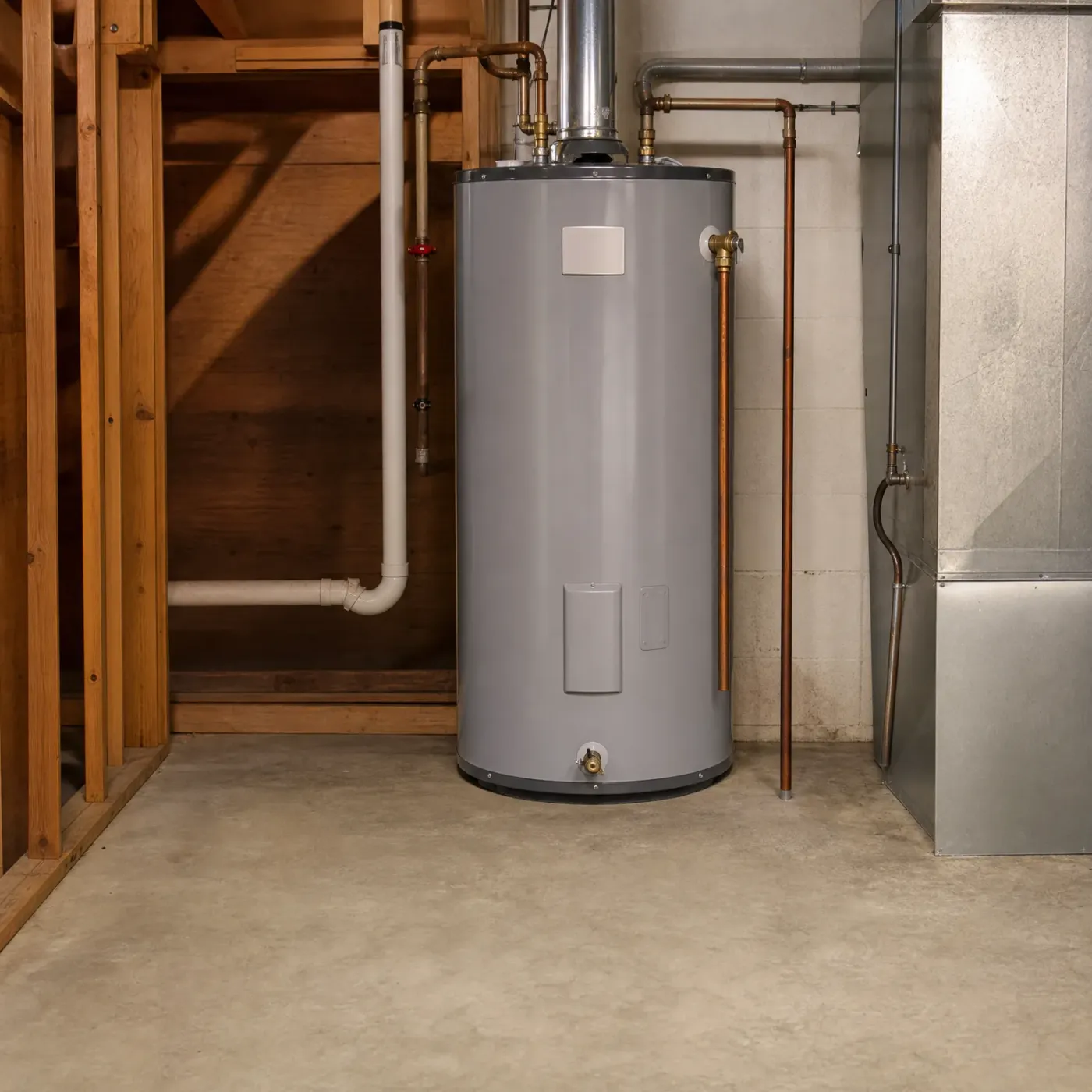
A setup like this keeps running the way it should. The access panels, the relief valve and its discharge pipe, the flue at the top, all doing their job while the pilot stays lit. Nothing here is fighting the tank.
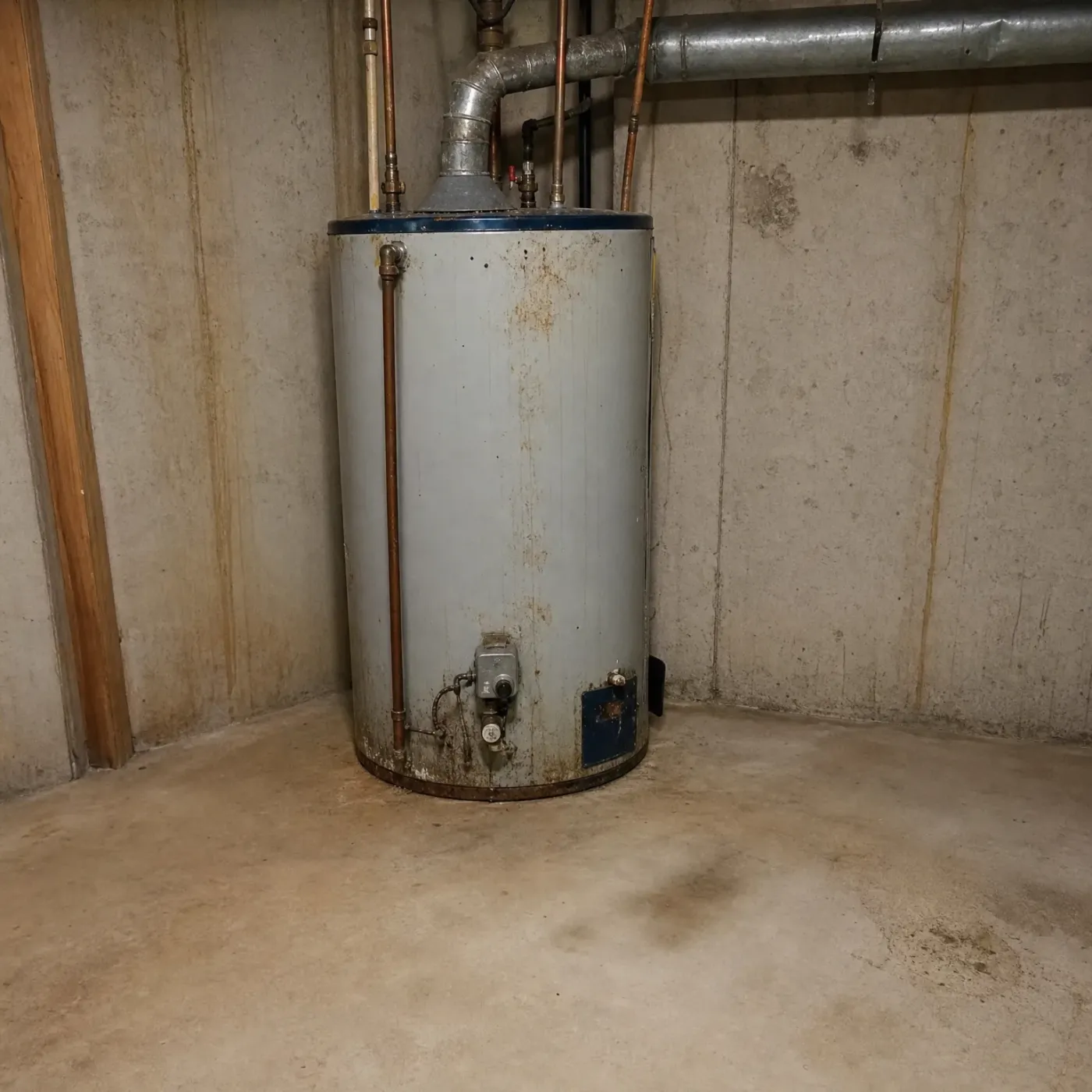
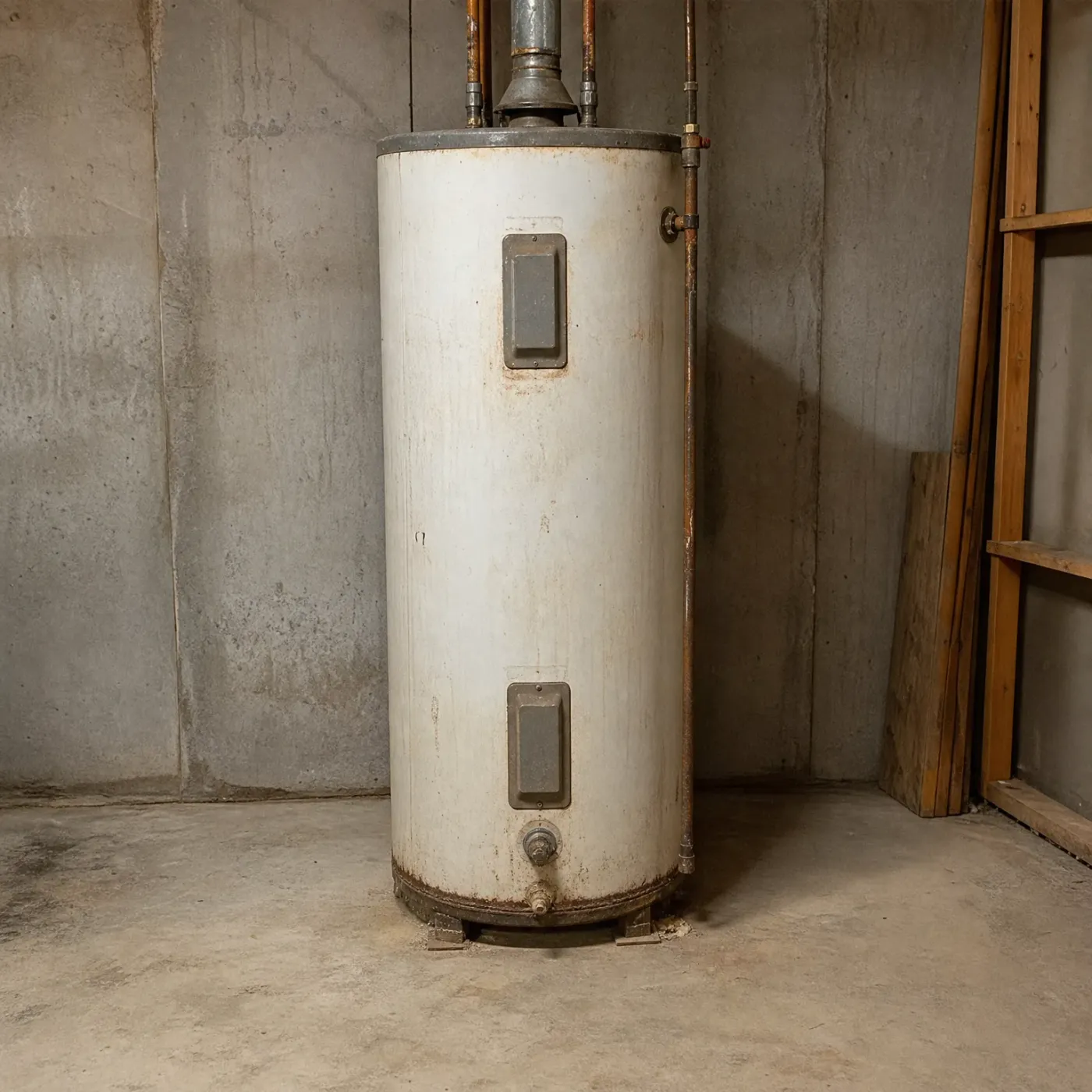
Rust like this on the tank body and pooling on the floor means the pilot isn't the only thing going wrong. A thermocouple can be replaced. A tank rusted through at the seams or the fittings is closer to the end of its life.
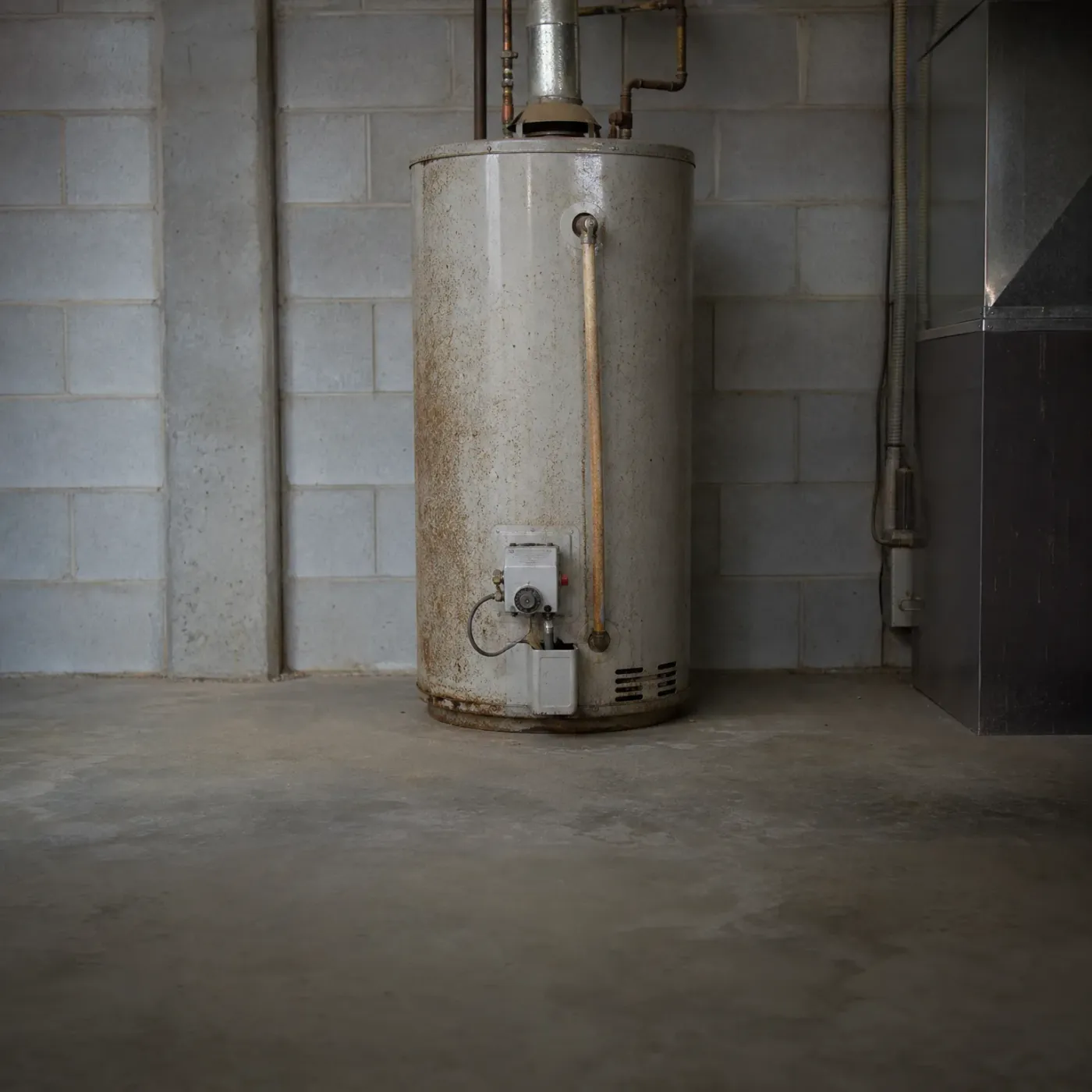
You can try relighting the pilot tonight, but if a thermocouple or flame sensor is worn out, it will drop out again, maybe within hours.
A contractor who works on these systems can find why the pilot won't hold and fix the part causing it, so it stays lit for good.


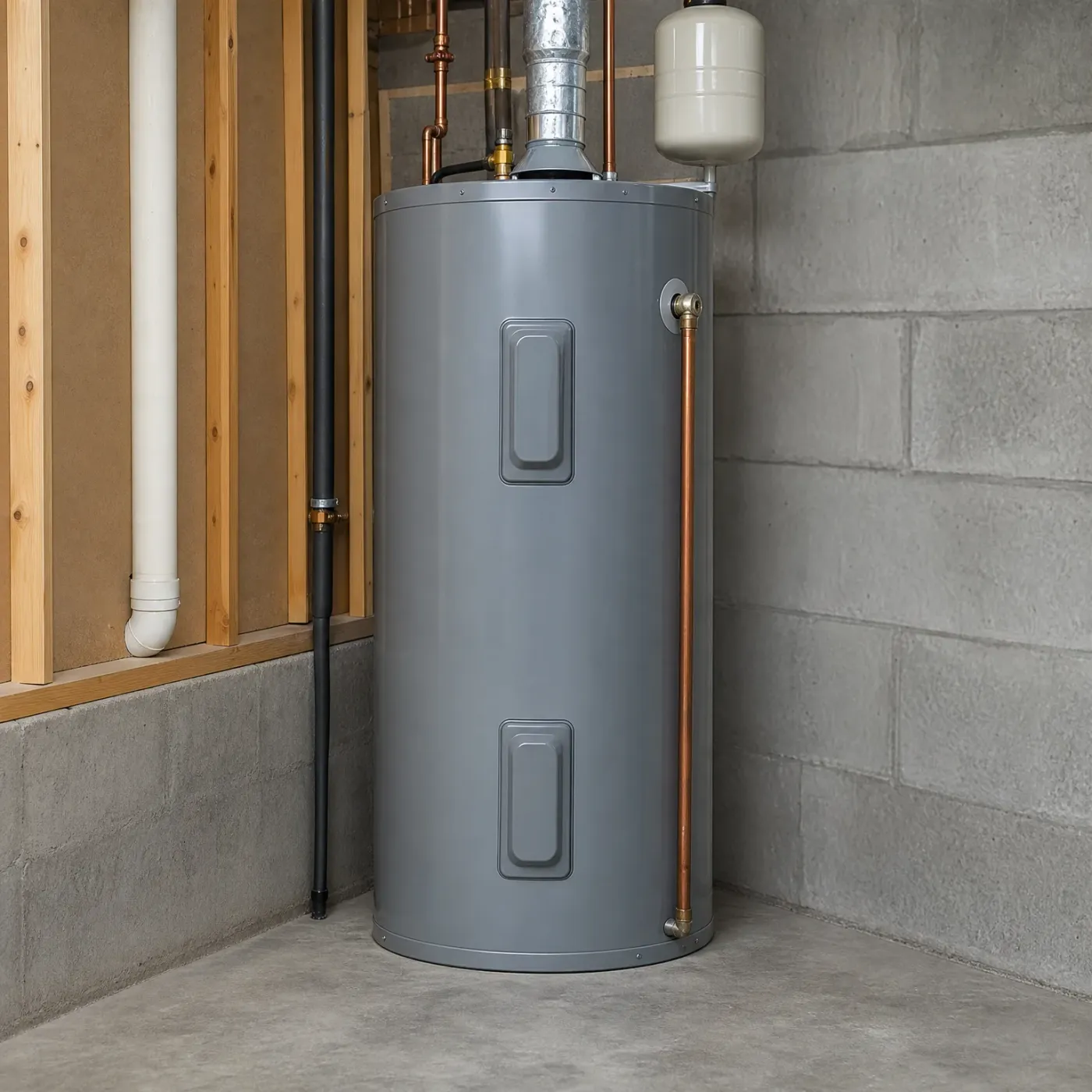
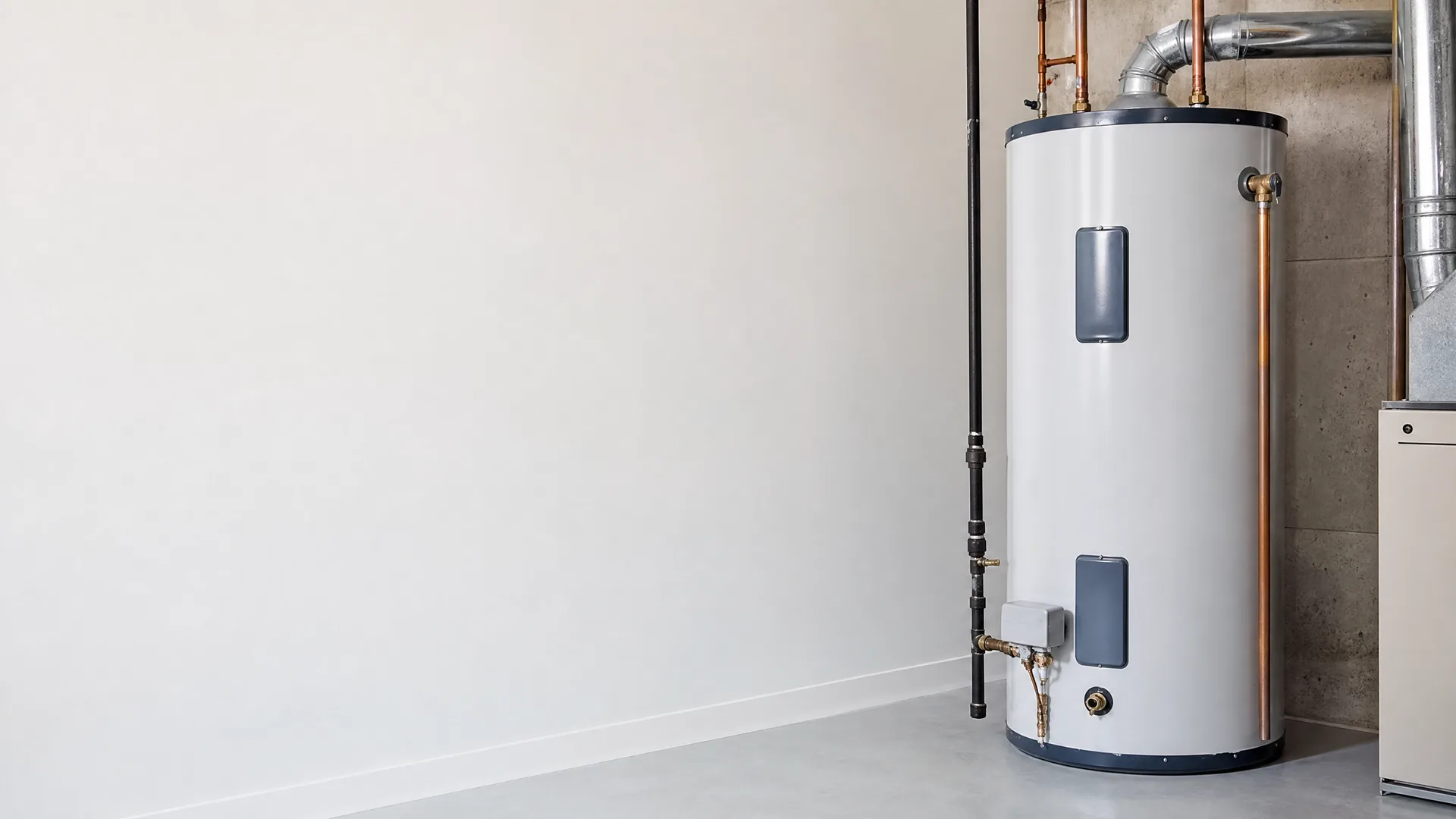
An electric water heater like this doesn't rely on a pilot at all. The copper lines, the drain pipe and the expansion tank above it are all doing their job quietly, and there's nothing here fighting the tank.
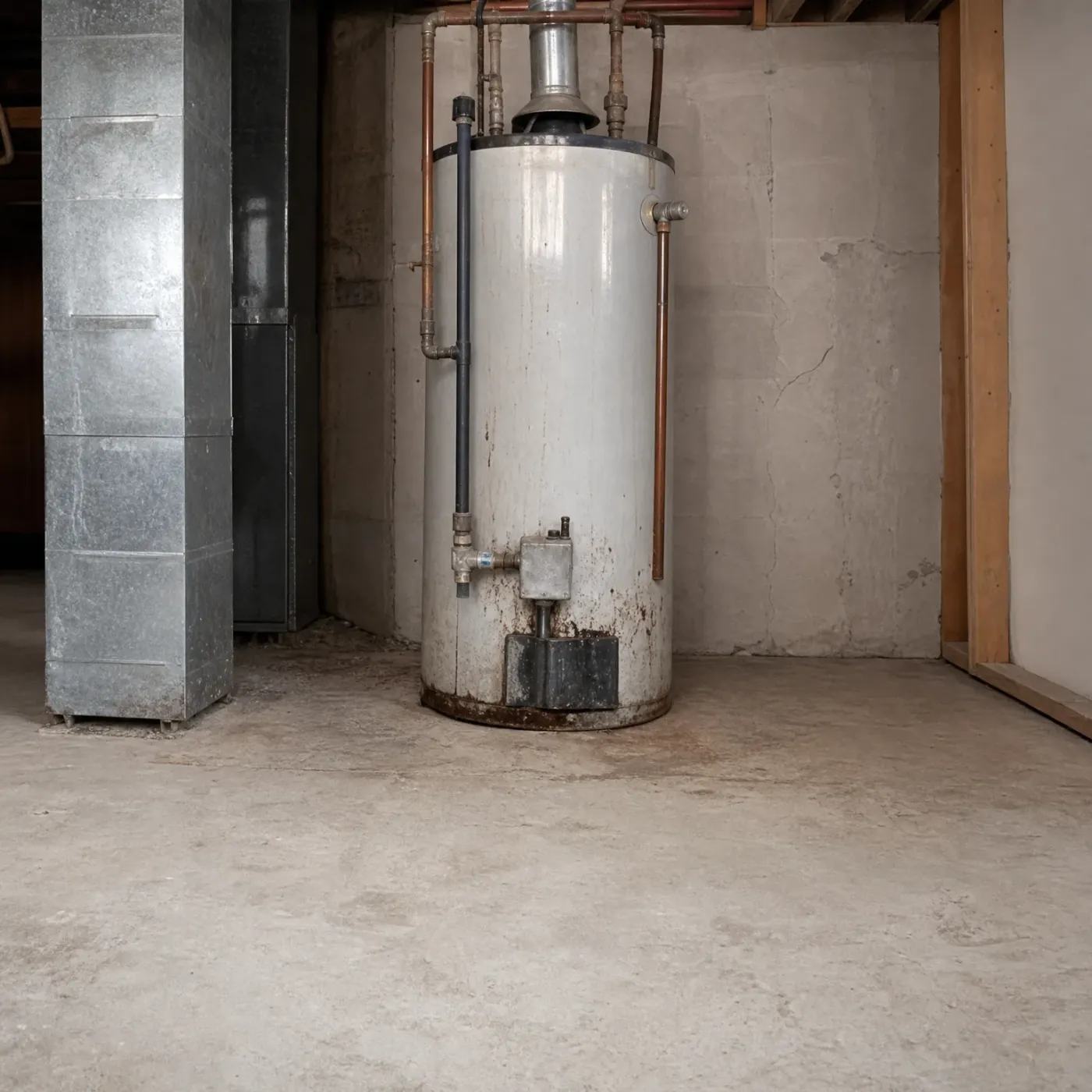
Rust and mineral deposits like this on the tank mean the pilot isn't the only thing working against you. A gas water heater this corroded is closer to the end than the start, flue and all.
At 14.77 cents a kilowatt-hour, power here runs about average, so a gas water heater with a dead pilot still beats the cost of running one on electric heat while you wait. That's one more reason to get the pilot and thermocouple fixed rather than switch to a space heater or electric kettle to get by.
EIA-861 2025
Gas valve opens and releases gas to the pilot burner.
Pilot flame lights and heats the thermocouple tip.
Thermocouple sends a small signal telling the valve gas flow is safe.
Thermocouple weakens or the flame drifts, and the signal drops.
A pilot that won't hold is a worn thermocouple or flame sensor most of the time, and that's a part a licensed contractor replaces in a single visit, not something a second match fixes for good. What you're dealing with is common and it's fixable. A gas water heater, once that part is swapped, goes back to doing what it's done for years, holding a steady flame without you thinking about it. Once your request goes in, it goes to one contractor, local to Lawrence, who works on gas water heaters all through this area's winters and has seen this exact pilot drop more times than most other calls that come in. You're not left sorting through a handful of companies calling back at once. You know what's wrong, you know it has a straightforward fix, and now it's a matter of getting someone qualified to it.
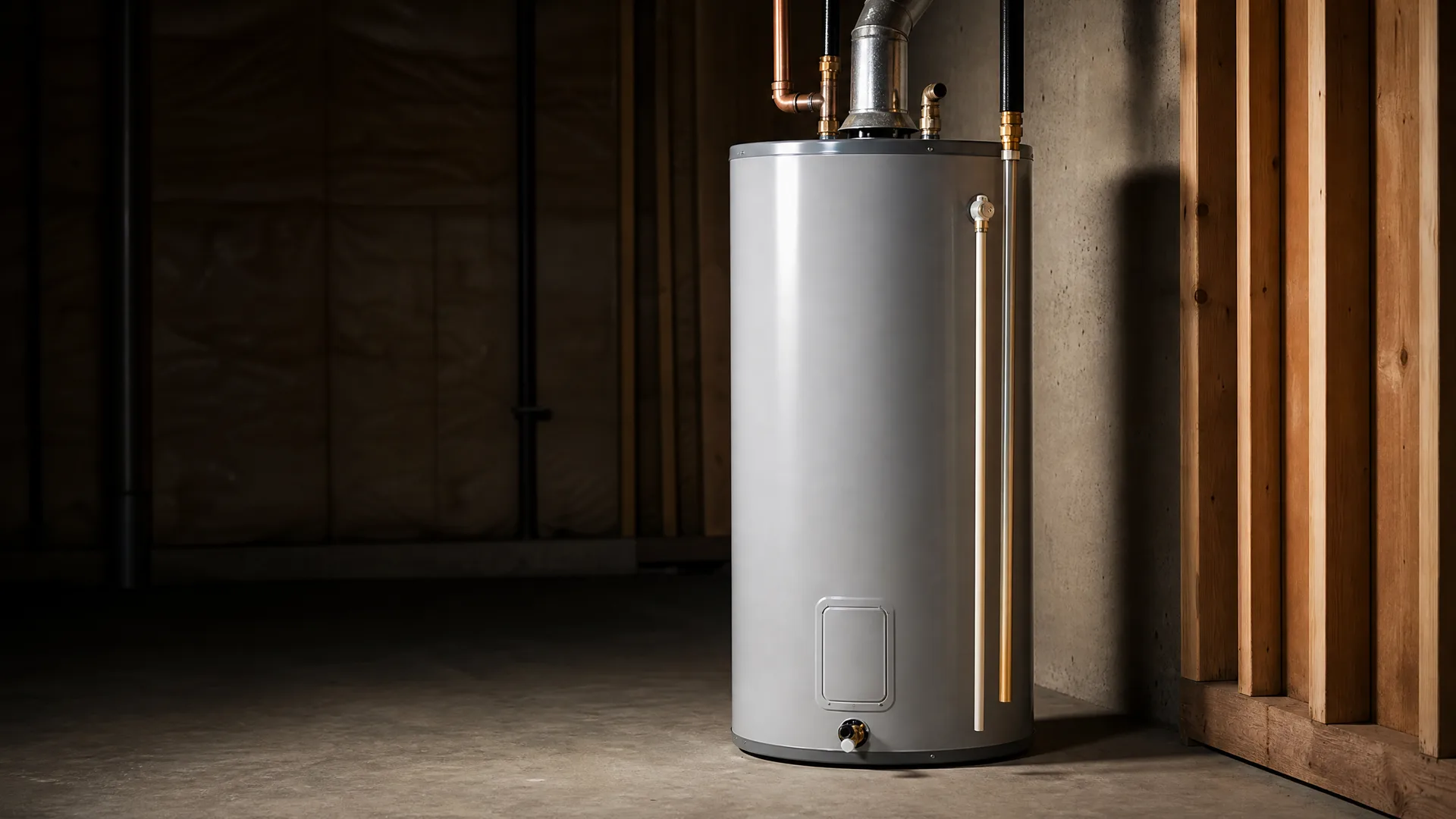
Finding a pro stops being your job