Tell us about the job
Takes about a minute. No obligation.
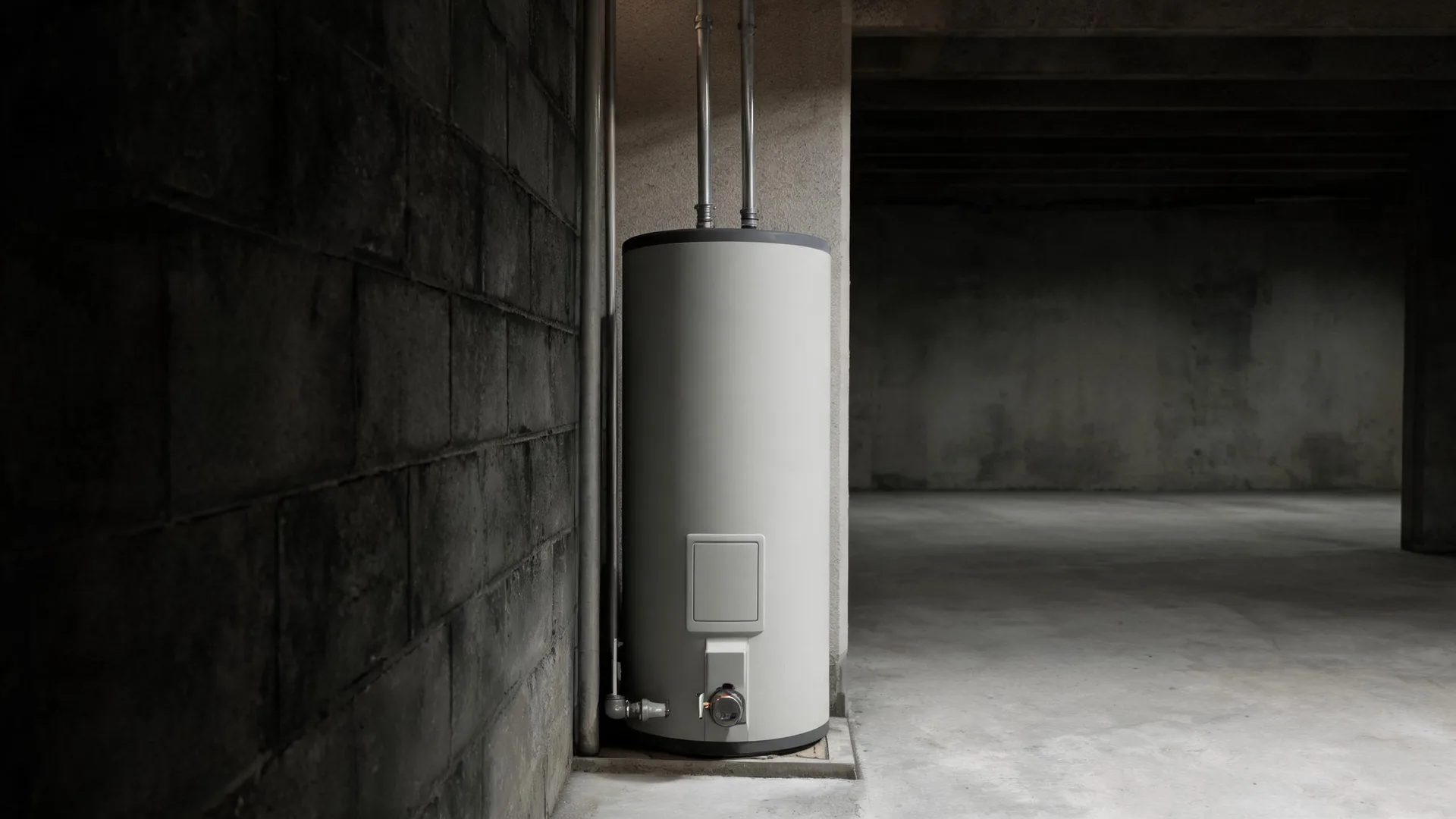
Gas-fired water heaters run their burner and ignition system every time the tank calls for heat, and in Clay County that means those components have been cycling hard for the life of the unit. Utility gas heats more occupied homes in Clay County, Kansas than any other fuel, at 58.0% (2020-2024 ACS 5-year). A contractor working a repair here goes straight to the burner assembly, the thermocouple, and the gas valve, because those are the parts that absorb that daily load. Sediment in the tank compounds the problem: a burner that fires longer to recover heat it cannot efficiently transfer wears faster. Venting condition matters too, since a flue that has carried years of combustion gases tells a contractor a great deal about how the unit has actually been running.
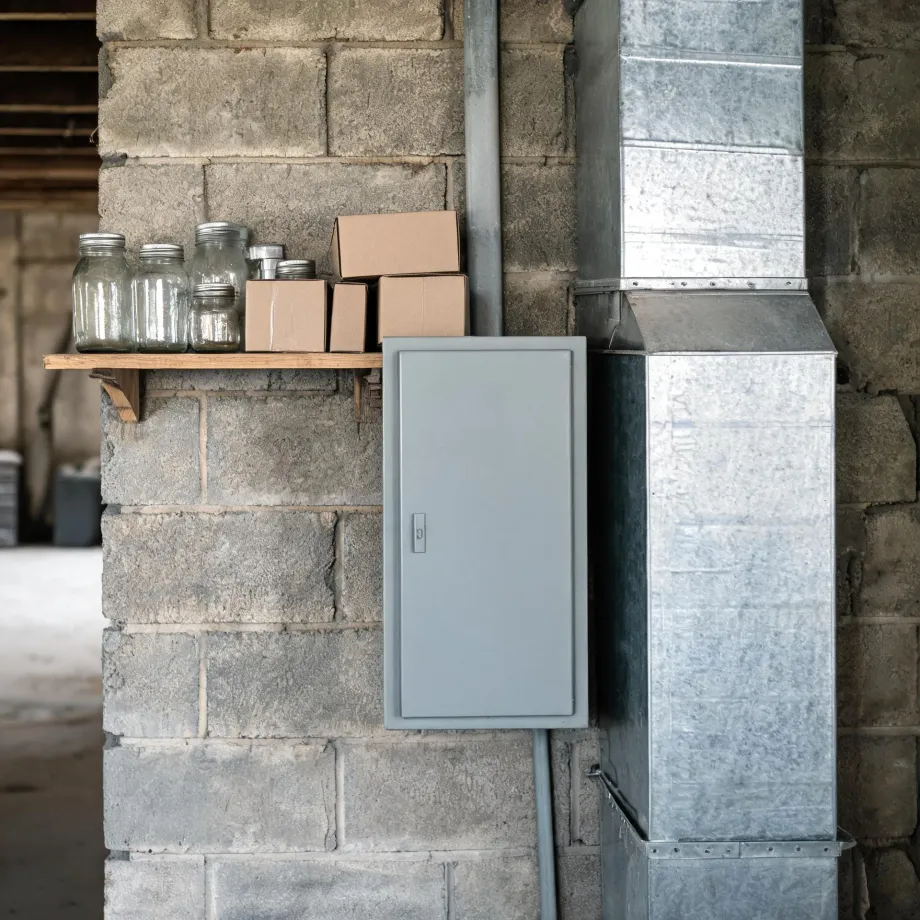
Sediment buildup, corroded anode rods, and failing thermostats are the parts a contractor opens a water heater to find. In houses as old as much of this county's stock, what complicates the picture is the venting, not the tank itself. Half the homes in Clay County, Kansas were built in 1962 or earlier (2020-2024 ACS 5-year). Flue runs in houses of that vintage were often sized and routed for equipment that is long gone, and a replacement unit draws differently enough that the existing flue may need work the original quote did not include. A contractor who opens the tank, identifies a fixable part, and prices the repair on its own merits is solving the right problem.
The Parts of a Water Heater a Contractor Checks During Repair
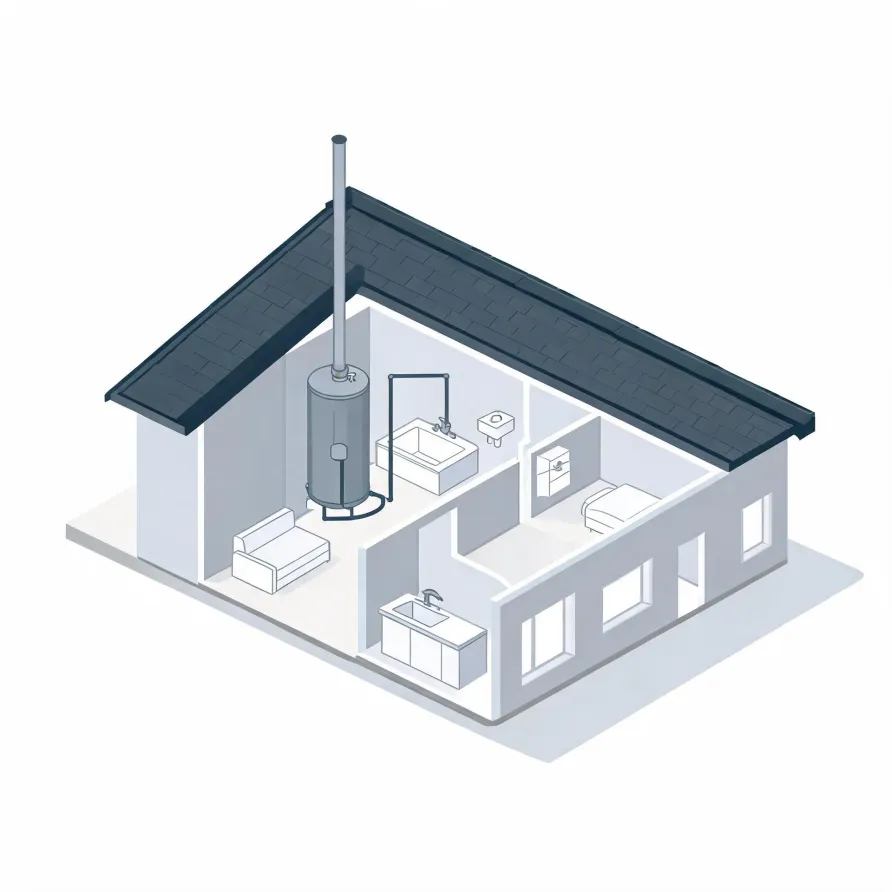
The tank is the piece most homeowners have seen: a tall insulated cylinder that sits in a utility room, basement, or garage and holds a standing supply of hot water. Wrapped around or submerged inside it are the heating elements or burner assembly, which are the first places a contractor looks when the water runs cold or inconsistently warm.
The thermostat controls the temperature the tank holds and sits mounted against the tank body; when it fails, the water may come out scalding or barely warm regardless of the setting. The pressure relief valve, the anode rod, and the inlet and outlet connections each take wear in their own way, and a contractor works through all of them when diagnosing why the unit is not performing.
The drawing shows a general layout of the system, and a licensed contractor determines which components apply to the specific unit and setup in your home.
Find a contractor in Clay CountyClay County, Kansas, by the numbers
83 severe weather events were recorded in Clay County, Kansas between 2015 and 2024.
NOAA National Centers for Environmental Information, Storm Events Database, bulk CSV export, events 2015-01-01 through 2024-12-31.Half the homes in Clay County, Kansas were built in 1962 or earlier (2020-2024 ACS 5-year).
U.S. Census Bureau, 2020-2024 American Community Survey 5-Year EstimatesClay County, Kansas holds 3,944 housing units (2020-2024 ACS 5-year).
U.S. Census Bureau, 2020-2024 American Community Survey 5-Year EstimatesOwners occupy 78.0% of the occupied homes in Clay County, Kansas (2020-2024 ACS 5-year).
U.S. Census Bureau, 2020-2024 American Community Survey 5-Year EstimatesSevere Weather Events in Clay County
Extreme weather puts stress on water heaters, driving the kind of demand and wear that shortens equipment life and leads to repair calls. How much of that pressure your system faces depends on what the weather in this area actually does.
83 severe weather events, 2015–2024. Source: NOAA National Centers for Environmental Information, Storm Events Database.