Tell us about the job
Takes about a minute. No obligation.
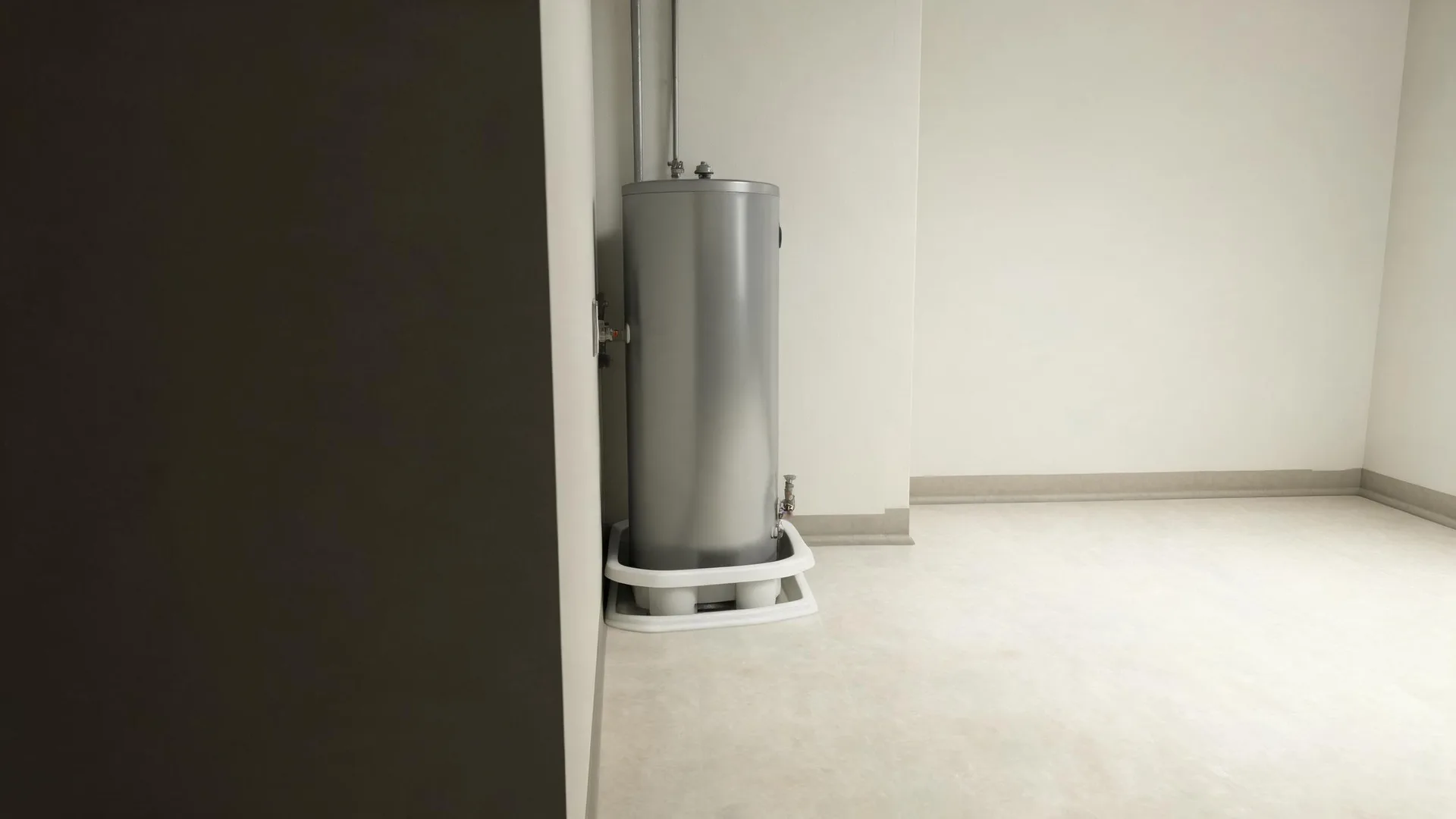
Utility gas heats more occupied homes in Sheridan County, Kansas than any other fuel, at 57.3% (2020-2024 ACS 5-year). Gas water heaters depend on clean combustion air, a functioning burner, and clear venting to work safely, and in a county where utility gas is this dominant, contractors on a repair call check those systems before anything else. Sediment buildup in the tank changes how hard the burner has to work to heat the water above it. A contractor who skips the flue inspection on a repair visit is leaving a failure point open.
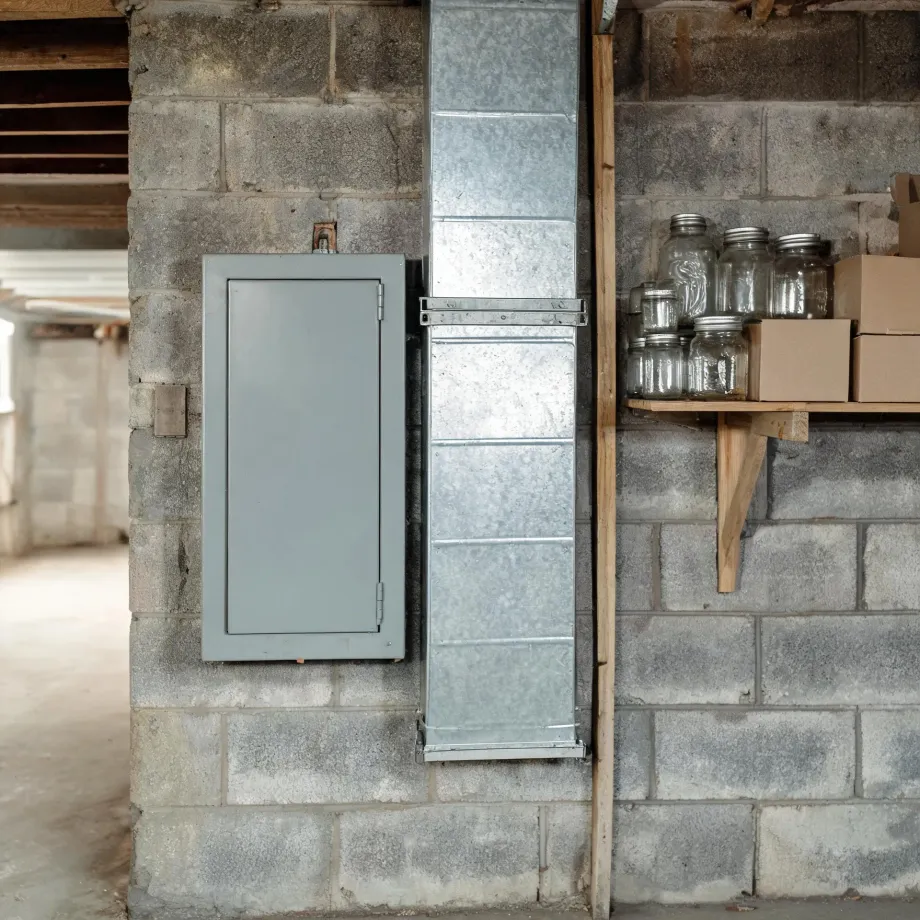
Water heater parts that fit a unit of a certain vintage are sometimes still made, sometimes substituted, and sometimes no longer available at all. Half the homes in Sheridan County, Kansas were built in 1969 or earlier (2020-2024 ACS 5-year). A contractor opening a heater in housing this old has to identify the exact component before a repair scope means anything, because sourcing drives the decision as much as the fault does. If the part exists and fits, the repair goes forward. If it has been superseded or discontinued, the scope changes on the spot.
The Parts of a Water Heater a Contractor Checks During Repair
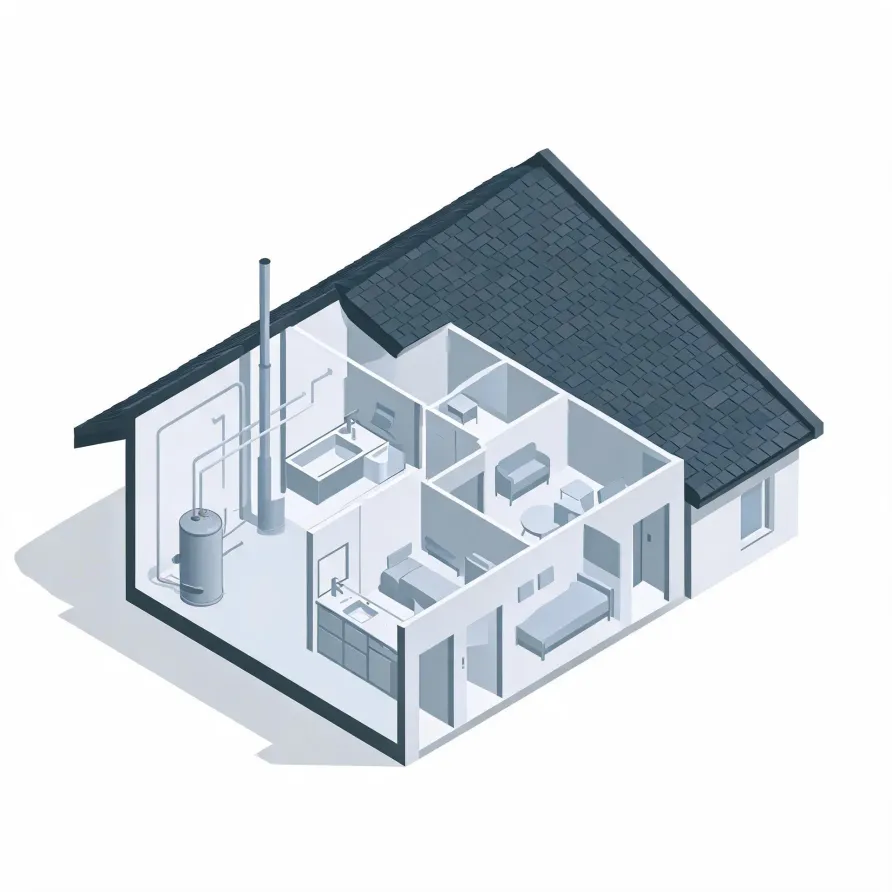
The tank is the piece a homeowner notices first, a large insulated vessel that sits in a utility room, basement, or garage and holds water at a set temperature. The burner assembly or heating element sits at or near the base of the tank and is what actually raises the water temperature. When either of those is the problem, hot water stops arriving or arrives inconsistently.
The thermostat mounts on the outside of the tank and tells the heating source when to fire and when to stop. The pressure relief valve sits near the top and opens if internal pressure climbs past a safe point. The anode rod runs down through the tank interior and slows corrosion from the inside out. A contractor working through a repair will check each of these for wear or failure.
The drawing shows the general layout of a water heater system, and a licensed contractor determines what applies to your specific unit and installation.
Find a contractor in Sheridan CountySheridan County, Kansas, by the numbers
236 severe weather events were recorded in Sheridan County, Kansas between 2015 and 2024.
NOAA National Centers for Environmental Information, Storm Events Database, bulk CSV export, events 2015-01-01 through 2024-12-31.Half the homes in Sheridan County, Kansas were built in 1969 or earlier (2020-2024 ACS 5-year).
U.S. Census Bureau, 2020-2024 American Community Survey 5-Year EstimatesSheridan County, Kansas holds 1,155 housing units (2020-2024 ACS 5-year).
U.S. Census Bureau, 2020-2024 American Community Survey 5-Year EstimatesOwners occupy 76.8% of the occupied homes in Sheridan County, Kansas (2020-2024 ACS 5-year).
U.S. Census Bureau, 2020-2024 American Community Survey 5-Year EstimatesSevere Weather Events in Sheridan County
Extreme weather puts real stress on water heaters, forcing them to work harder and fail sooner. How much stress depends on what this area actually sees, which is why local weather history belongs on a page about water heater repair.
236 severe weather events, 2015–2024. Source: NOAA National Centers for Environmental Information, Storm Events Database.