Tell us about the job
Takes about a minute. No obligation.
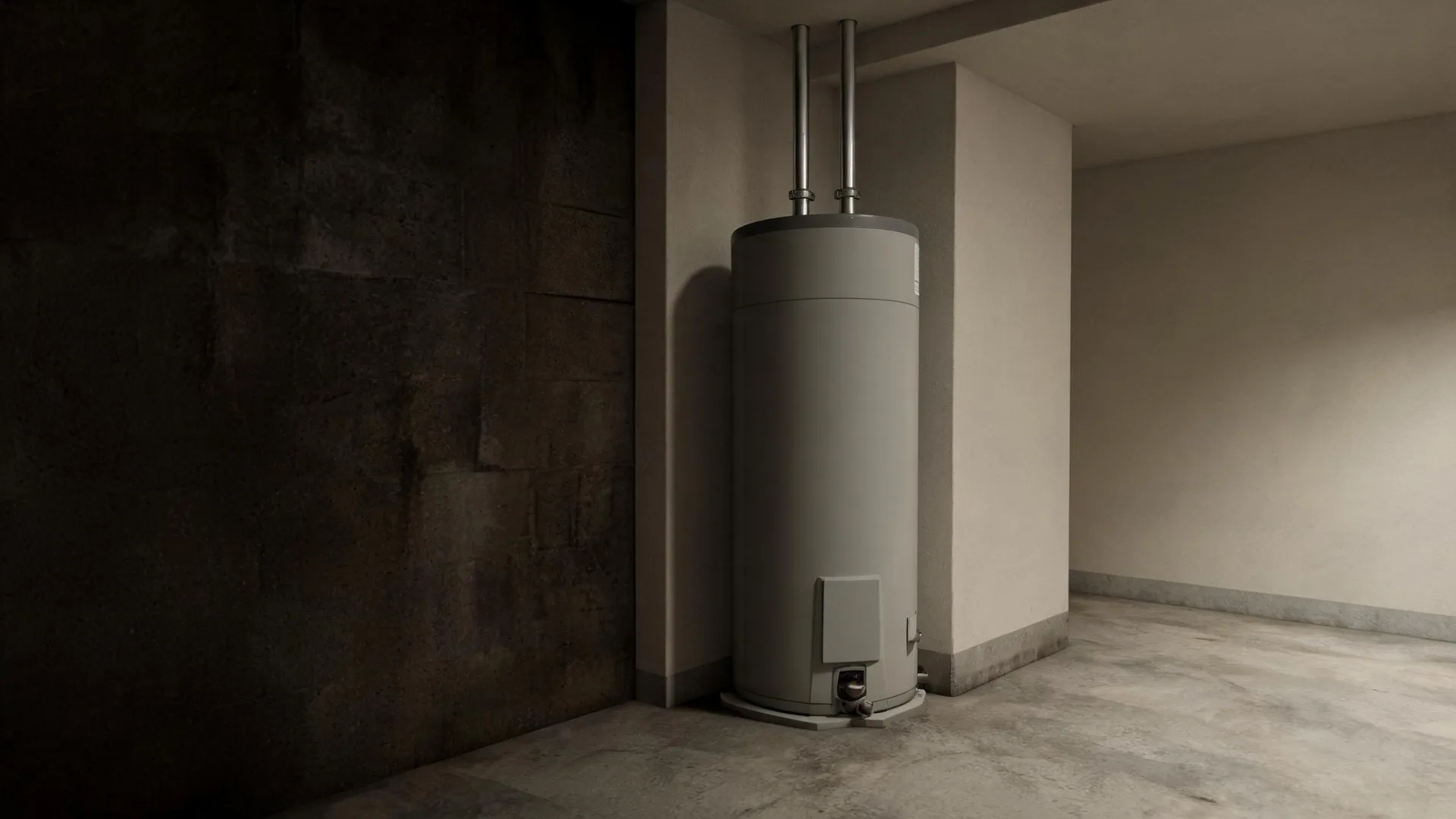
Utility gas heats more occupied homes in Stafford County, Kansas than any other fuel, at 56.3% (2020-2024 ACS 5-year). Gas-fired water heaters cycle their burners and igniters every time a tap opens or a tank drops in temperature, and a home that heats on utility gas tends to keep that water hotter and draw it harder than homes running other fuels. When a contractor opens a gas unit for diagnosis here, the burner orifice, the thermocouple, and the draft hood all show the history of that use in ways the tank exterior never will. Sediment from hard water compounds the load the burner already carries.
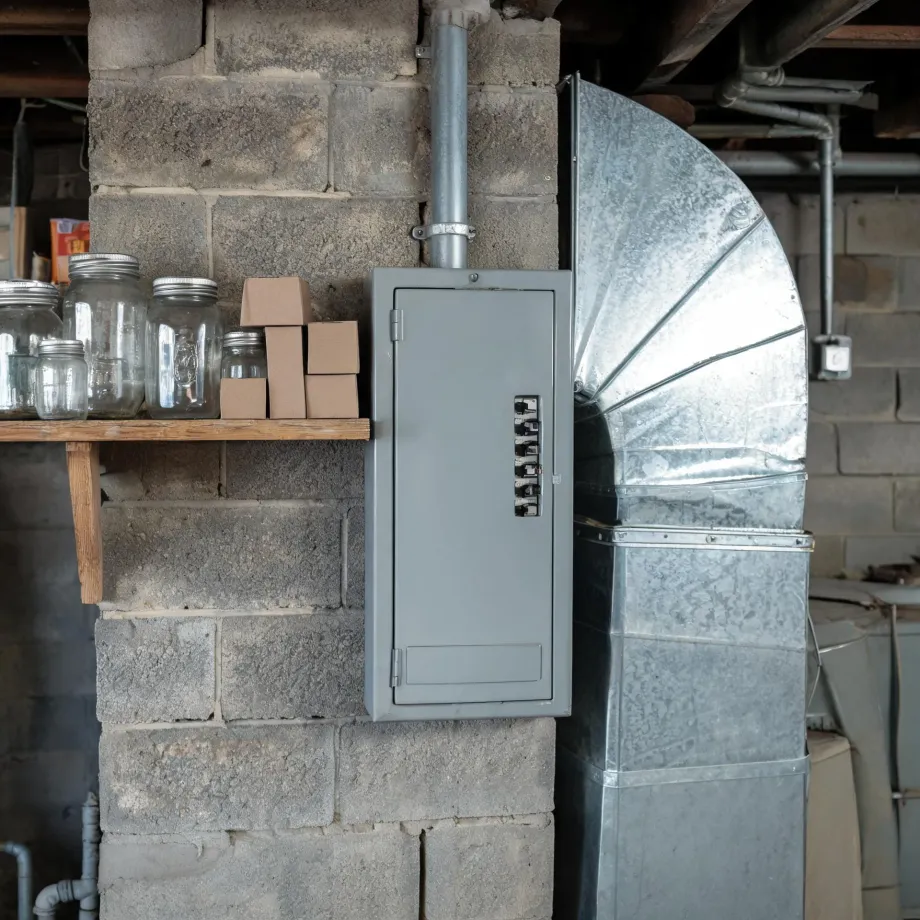
Stafford County's water heaters sit in houses where the surrounding plumbing has had a long time to accumulate scale, corroded fittings, and sediment loads that accelerate wear on the unit. Half the homes in Stafford County, Kansas were built in 1951 or earlier (2020-2024 ACS 5-year). A contractor who opens a failing water heater here often finds that the supply lines and connections around it are in worse condition than the tank itself, which changes what the repair actually covers. Replacing a heating element is one job; dealing with what the feed lines have become is another.
The Parts of a Water Heater a Contractor Checks First
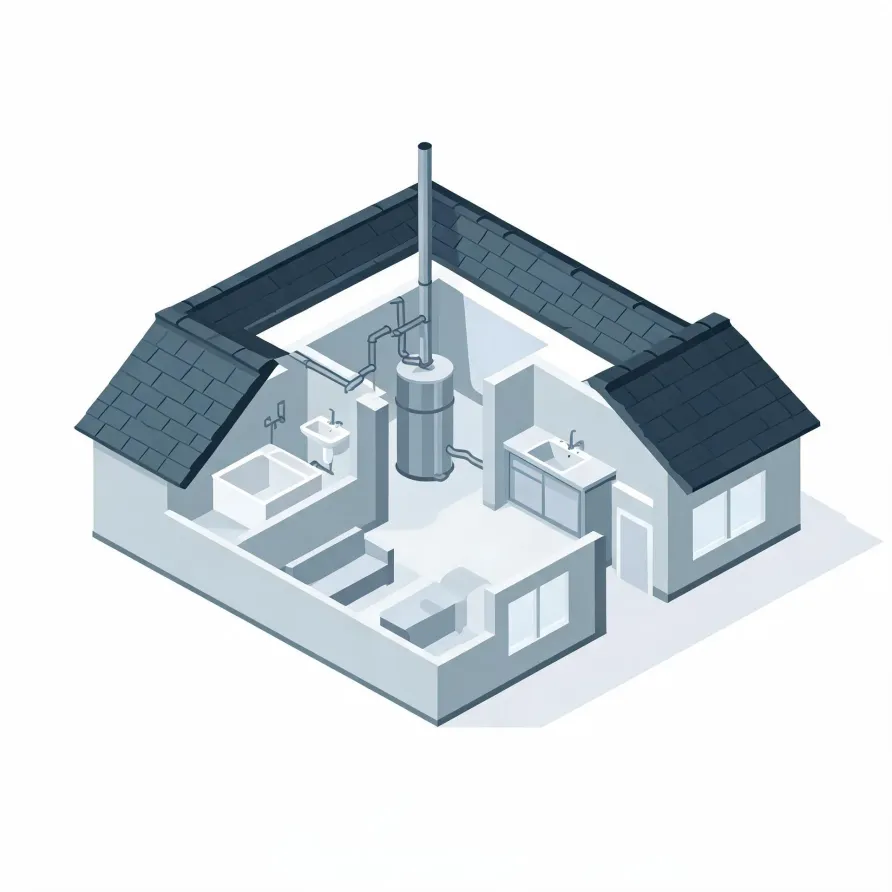
The tank is what most homeowners recognize: a large insulated cylinder that sits in a utility closet, basement, or garage and holds a supply of heated water. The burner assembly or heating element sits at the base or inside the tank and is the piece a contractor looks at first when the water runs cold or fails to heat at all.
The pressure relief valve mounts to the side of the tank and opens automatically if pressure inside climbs too high. The anode rod hangs inside the tank to slow corrosion, and the dip tube channels incoming cold water to the bottom so it does not mix with the hot water waiting at the top.
The drawing shows a general layout of these components, and a licensed contractor determines which of them apply to the specific unit and setup in your home.
Find a contractor in Stafford CountyStafford County, Kansas, by the numbers
105 severe weather events were recorded in Stafford County, Kansas between 2015 and 2024.
NOAA National Centers for Environmental Information, Storm Events Database, bulk CSV export, events 2015-01-01 through 2024-12-31.Half the homes in Stafford County, Kansas were built in 1951 or earlier (2020-2024 ACS 5-year).
U.S. Census Bureau, 2020-2024 American Community Survey 5-Year EstimatesStafford County, Kansas holds 2,093 housing units (2020-2024 ACS 5-year).
U.S. Census Bureau, 2020-2024 American Community Survey 5-Year EstimatesOwners occupy 82.3% of the occupied homes in Stafford County, Kansas (2020-2024 ACS 5-year).
U.S. Census Bureau, 2020-2024 American Community Survey 5-Year EstimatesSevere Weather Events in Stafford County
Stafford County weather puts real stress on water heaters: hard freezes, power fluctuations, and temperature swings push equipment in ways that steady climates do not. That workload is local, and so is the repair knowledge it demands.
105 severe weather events, 2015–2024. Source: NOAA National Centers for Environmental Information, Storm Events Database.