Tell us about the job
Takes about a minute. No obligation.
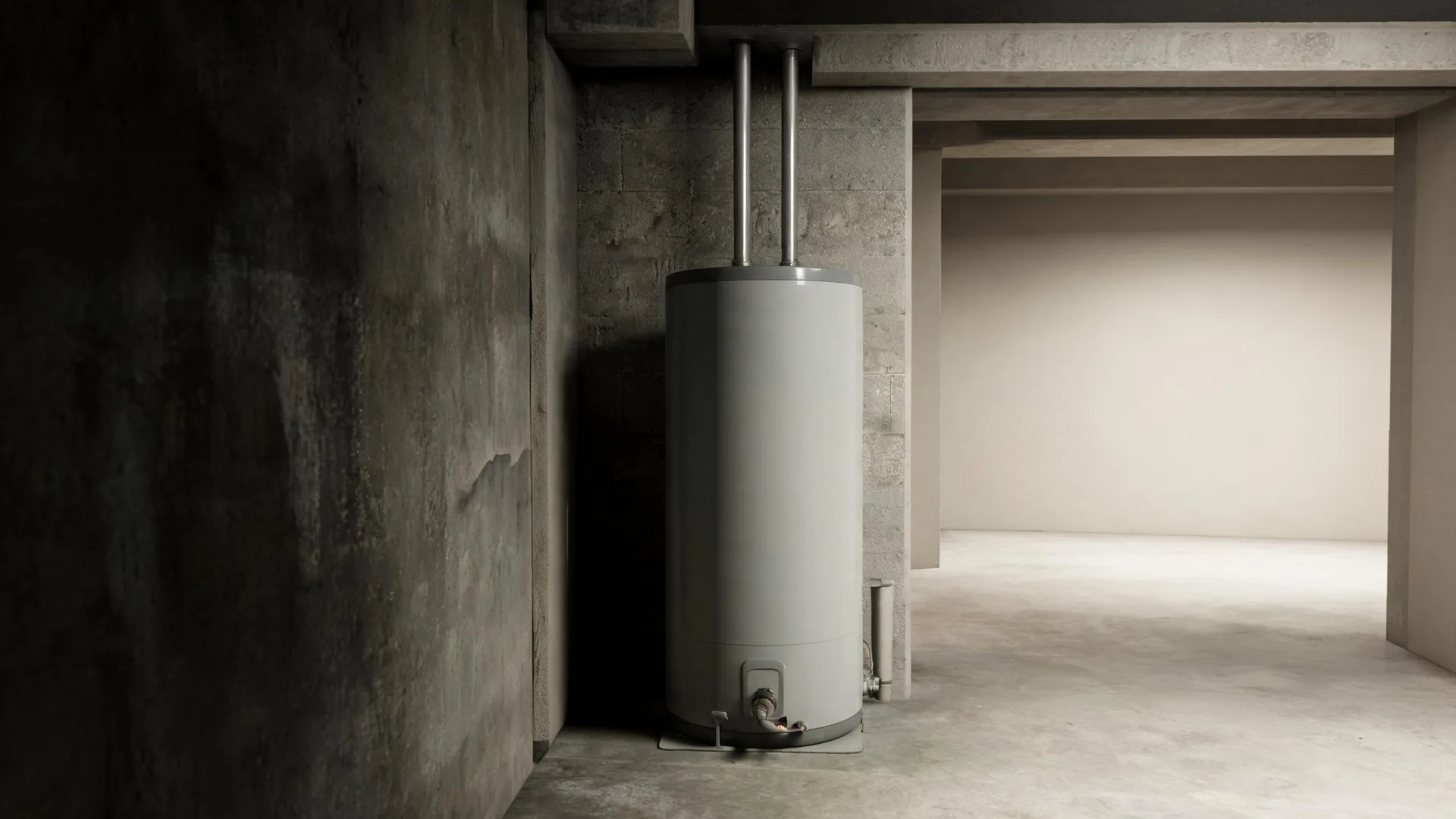
Gas water heaters in this county run their burners, heat exchangers, and flue connections through years of daily demand. Utility gas heats more occupied homes in Sedgwick County, Kansas than any other fuel, at 66.7% (2020-2024 ACS 5-year). A contractor diagnosing a failed unit here checks the venting path and combustion air supply, not only the thermocouple or the element, because both are part of what makes a gas appliance work and fail. Sediment buildup in the tank, draft hood corrosion, and burner fouling each follow from sustained gas combustion in a home where that fuel does all the heating work. The repair scope on a gas unit is wider than it looks from the outside.
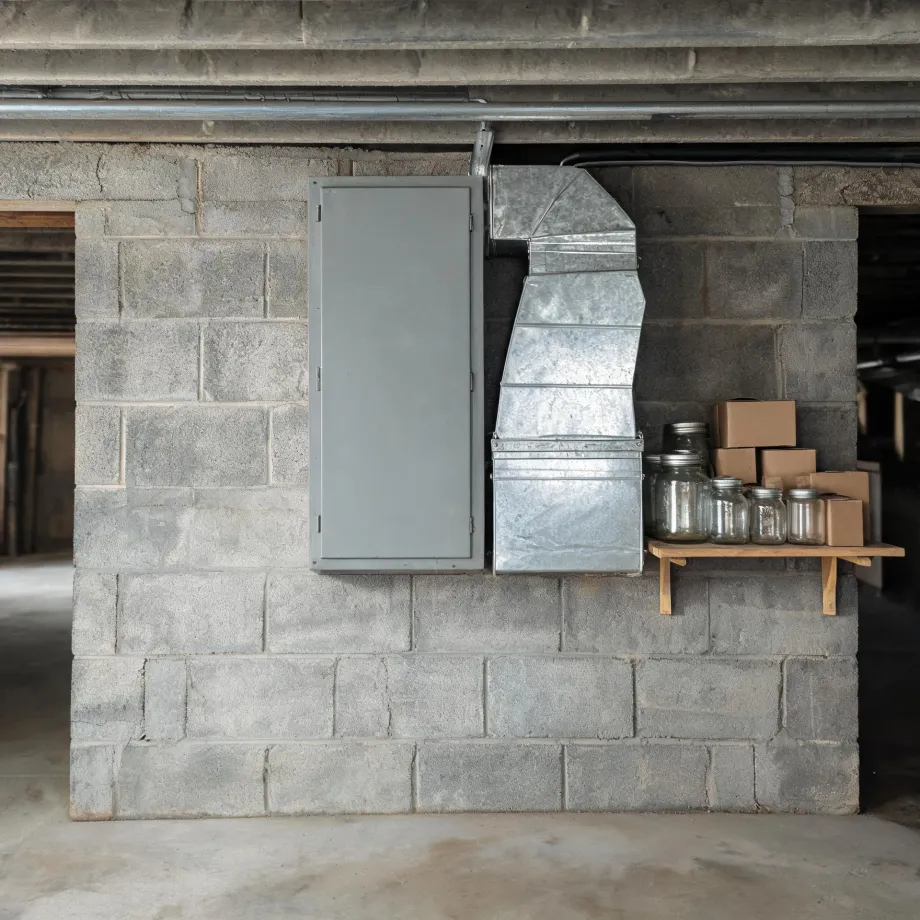
Sediment at the bottom of a tank, a spent anode rod, and corroded connections are what a contractor finds when the plumbing infrastructure around the heater was put in long before the unit itself. Half the homes in Sedgwick County, Kansas were built in 1978 or earlier (2020-2024 ACS 5-year). That gap between the building and the equipment matters on a repair call because the supply lines, fittings, and shutoffs feeding the heater belong to that earlier era, not to the water heater's own service history. A part swap on the unit may be straightforward; what connects it to the house is where the repair scope can widen.
The Parts of a Water Heater a Contractor Checks During Repair
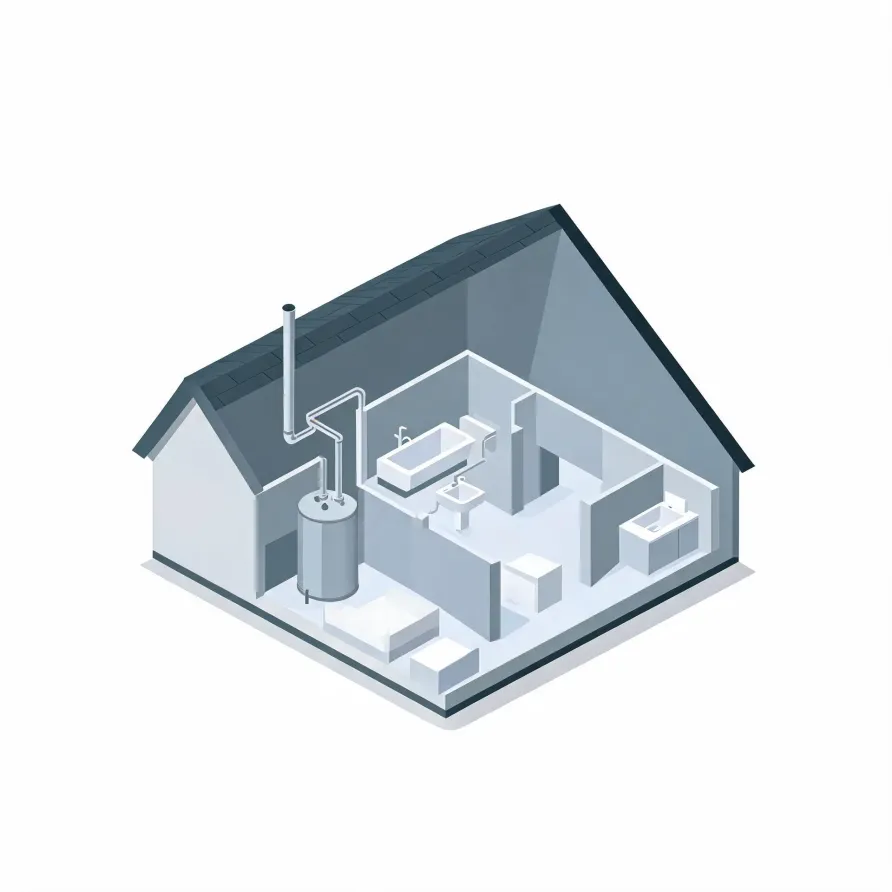
The tank is what most homeowners see: a tall insulated cylinder that sits in a utility room, basement, or garage and holds a supply of heated water. Inside it, a burner assembly or heating element does the actual heating, and a thermostat tells that element when to run. When the water runs cold, stays lukewarm, or takes too long to recover, the contractor's first look is at those two components.
The pressure relief valve mounts on the side of the tank and opens if pressure inside climbs too high. A dip tube runs down into the tank to direct cold incoming water to the bottom, and an anode rod hangs inside to slow corrosion of the tank walls. A repair call often turns up a failed relief valve, a broken dip tube, or an anode rod that has worn away.
The drawing shows a typical layout, and a licensed contractor determines which components apply to the specific unit and installation in your home.
Find a contractor in Sedgwick CountySedgwick County, by the numbers
620 severe weather events were recorded in Sedgwick County, Kansas between 2015 and 2024.
NOAA National Centers for Environmental Information, Storm Events Database, bulk CSV export, events 2015-01-01 through 2024-12-31.Half the homes in Sedgwick County, Kansas were built in 1978 or earlier (2020-2024 ACS 5-year).
U.S. Census Bureau, 2020-2024 American Community Survey 5-Year EstimatesSedgwick County, Kansas holds 227,638 housing units (2020-2024 ACS 5-year).
U.S. Census Bureau, 2020-2024 American Community Survey 5-Year EstimatesOwners occupy 63.1% of the occupied homes in Sedgwick County, Kansas (2020-2024 ACS 5-year).
U.S. Census Bureau, 2020-2024 American Community Survey 5-Year EstimatesSevere Weather Events in Sedgwick County
Sedgwick County weather puts real stress on water heaters, pushing them through hard cycles that wear components faster than steady conditions do. How often that happens here shapes how much repair work local units actually need.
620 severe weather events, 2015–2024. Source: NOAA National Centers for Environmental Information, Storm Events Database.