Profile view of a bearded man wearing a black baseball cap and a dark gray T-shirt against a plain light background.

Why you run out of hot water fast in Kansas

Step 1 of 3: Equipment

Why do I keep running out of hot water fast?

You turn on the shower and it's warm for a few minutes, then cold. Maybe the kids are showering back to back, or the dishwasher kicked on while someone was washing up. Whatever the reason, the hot water isn't lasting the way it used to, and you're trying to figure out if something's wrong with the water heater or if this is just how it goes now.

Your water heater isn't keeping up with demand or isn't heating fully

Most gas water heaters in Kansas homes hold 40 to 50 gallons, enough for a shower or two before the tank needs to recover. If hot water runs out faster than it used to, the burner may not be heating the full tank, or sediment settled at the bottom is taking up space water used to fill. A failing dip tube can also mix cold water in at the top of the tank, so you get lukewarm water well before the tank is actually empty. None of these fix themselves. A gas water heater that's losing capacity usually points to a part that needs attention, not a sign you need to use less hot water.

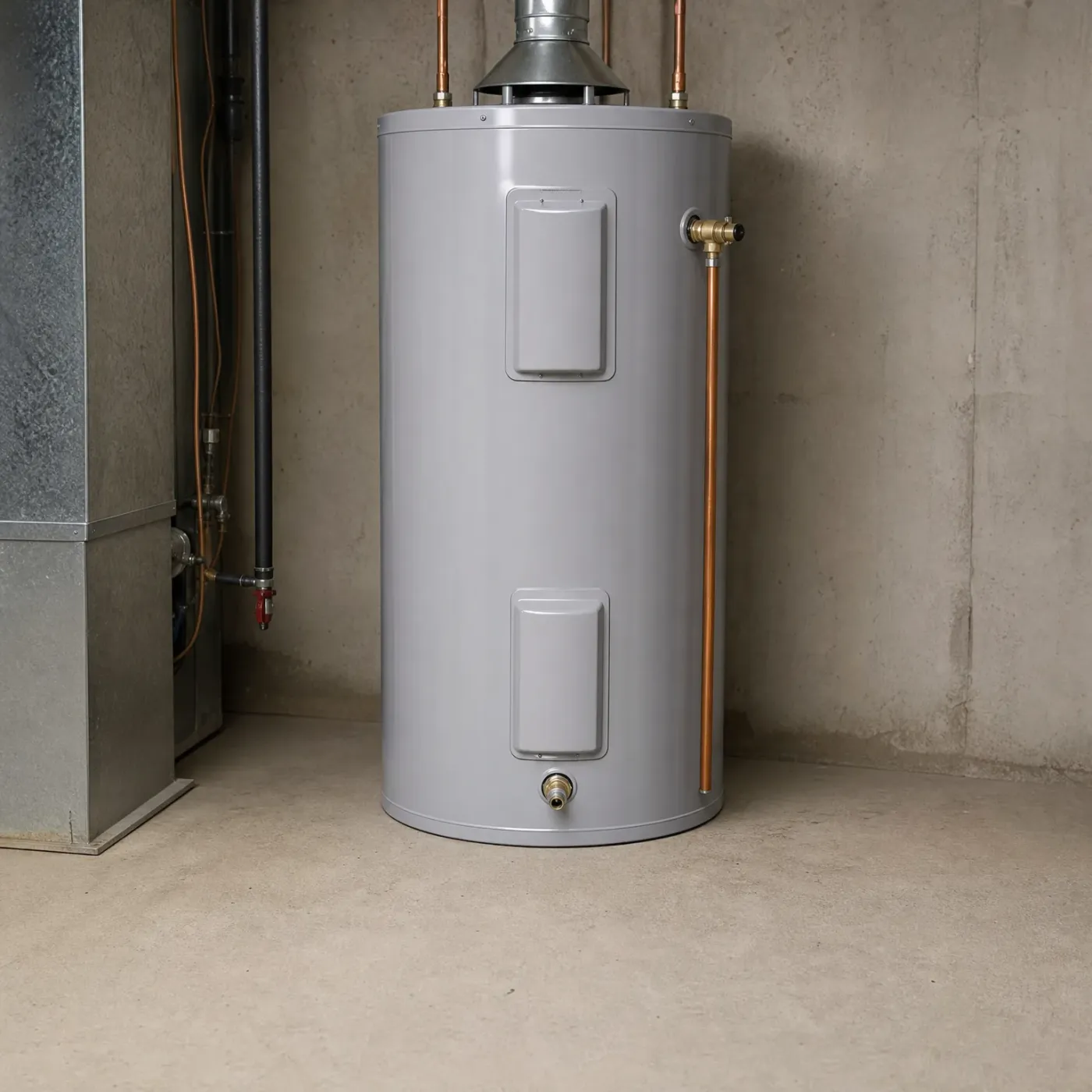
A gray cylindrical water heater with copper piping and a flue stands on a concrete floor in a basement corner beside ductwork and metal equipment.

Still keeping up

A tank like this one holds its heat and recovers the way it's supposed to. The relief valve and discharge pipe are doing their job, the flue is clear, and the panels are tight. Hot water comes back between showers instead of making you wait.

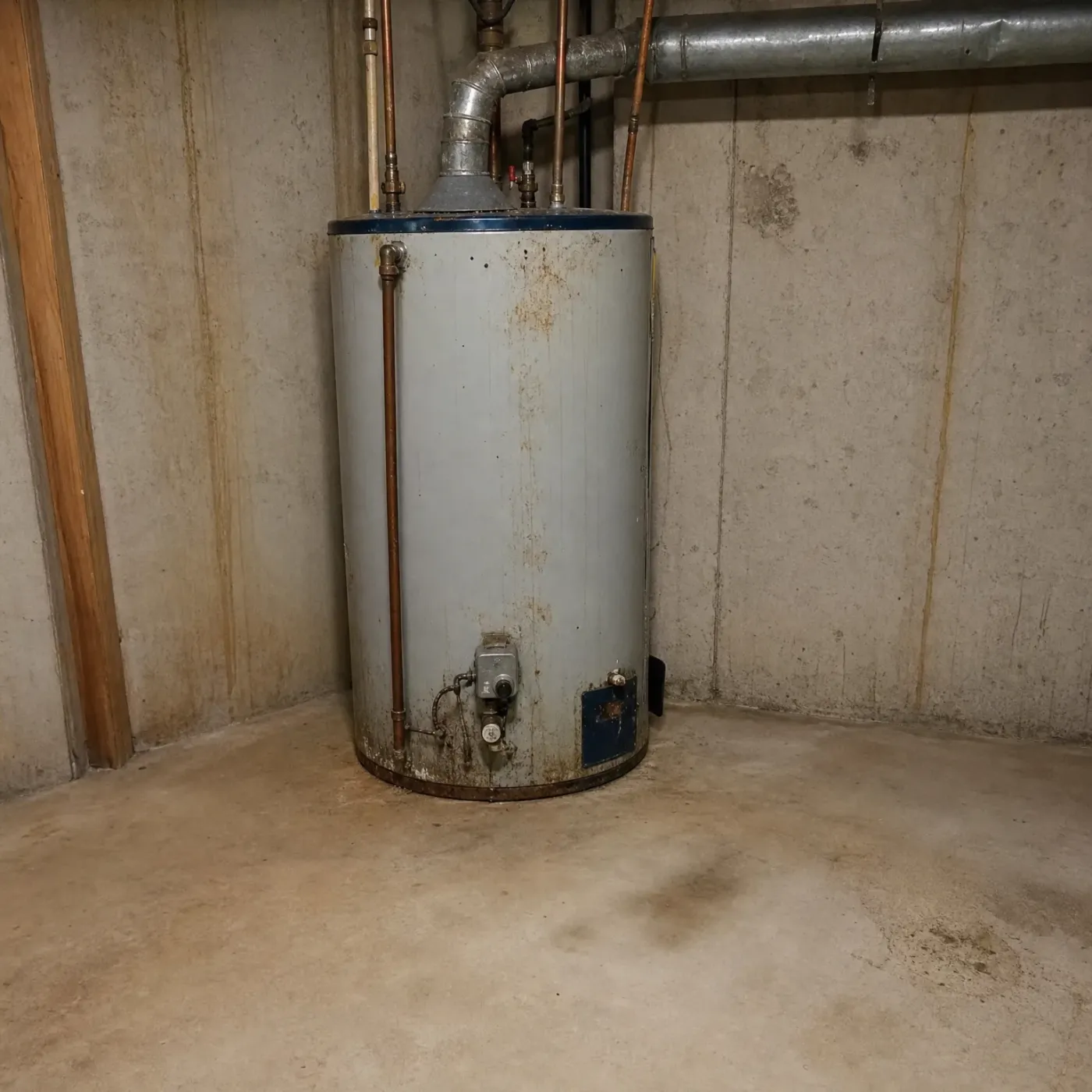
An aging gas water heater with rust streaks stands in the corner of a concrete-walled basement, with copper pipes and a metal flue duct running overhead.

Running on borrowed time

Rust on the tank and staining on the floor mean the inside is corroding too. A tank in this shape loses capacity before it fails outright, which is why the hot water runs out sooner than it used to. The galvanized flue adds to the age here.

Is It the Tank or the Timing

Tank problem

  • The dip tube that sends cold water to the bottom has broken, so cold water mixes straight into the hot layer near the top.
  • Sediment has built up on the bottom of the tank, leaving less room for actual water and cutting your usable hot water short.
  • The lower heating element or the burner has failed, so the tank only ever gets partway up to temperature.
  • The thermostat is reading wrong and shutting things off before the tank actually reaches the set temperature.
  • A gas tank's burner isn't getting enough gas, so recovery between uses is slower than it should be.

How it's being used

  • Two showers back to back don't give a gas tank time to recover before the second one starts.
  • A load of laundry or the dishwasher running at the same time as a shower pulls from the same limited supply.
  • A tank sized for fewer people than are actually in the house runs out because there just isn't enough volume to begin with.
  • Guests staying over add demand the tank was never sized to cover.
  • Winter in Kansas means incoming water is colder, so the same tank takes longer to heat it and recovers slower between uses.
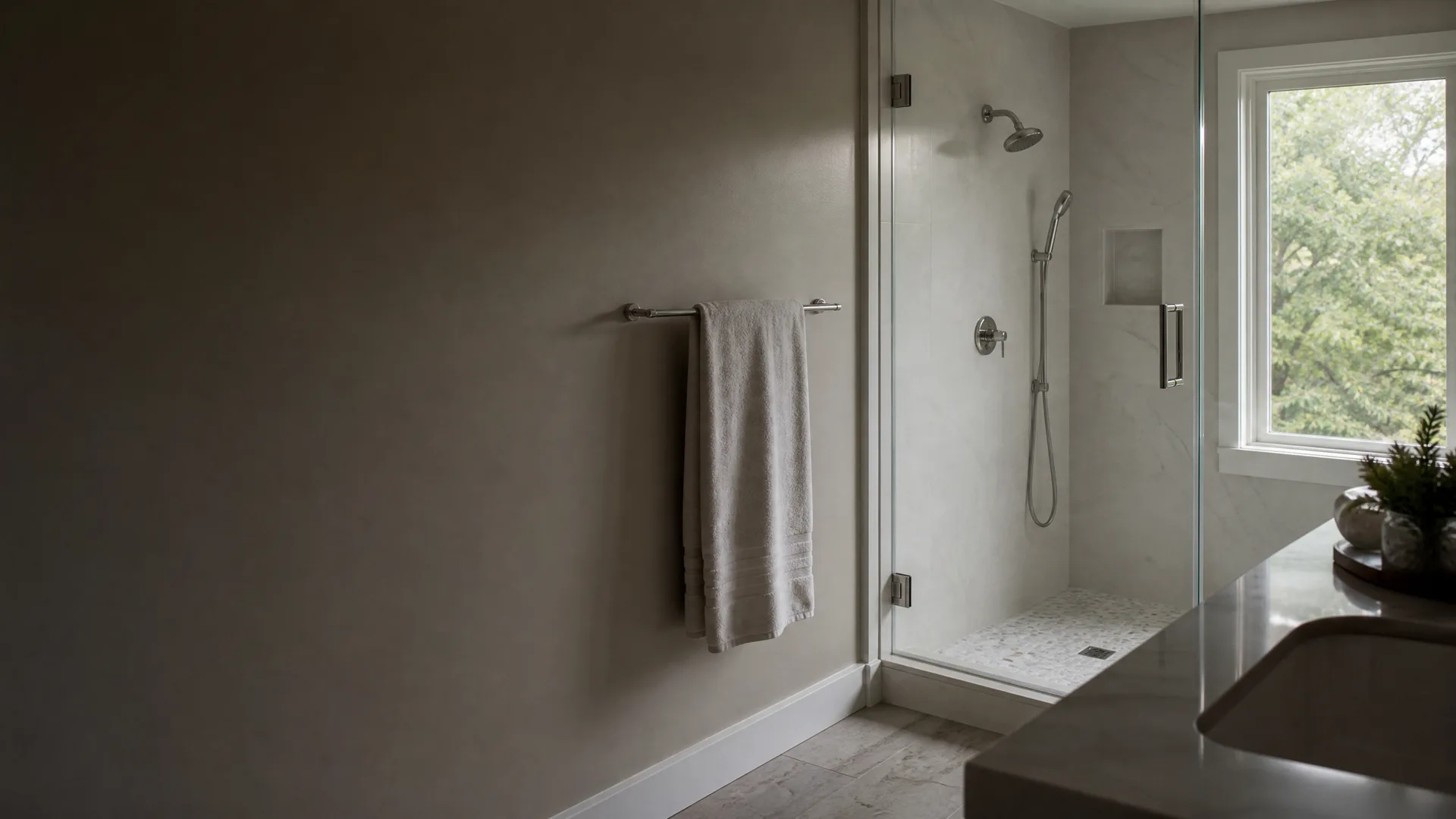
A bathroom with a gray towel hanging on a bar against a taupe wall, a glass-enclosed shower with marble-look tile, showerhead and handheld sprayer, a window showing green trees, and a stone countertop with a sink at right.

Monday morning, upstairs bathroom. You turn the shower on and step back to let it warm up while you get a towel off the rail. By the time you're under it, it's good, warm enough to stand in. You wash your hair. Somewhere around the rinse, it drops, not all at once, just a slow fade from warm to lukewarm to nothing worth standing in. You still have conditioner in your hair. Downstairs the dishwasher isn't even running yet. Outside it's already warm, a sticky Kansas morning, but that doesn't make the water in front of you any less cold. You shut it off, towel off, and start the day thinking about what else is in the tank waiting to go wrong.

Hand off the water heater problem

The pro who reaches out is licensed in Kansas.

No fee to send it, and nothing to sign.

How a Gas Tank Heats

  • Gas water heaters pull cold water in at the bottom through the dip tube while the burner heats it, so a cracked dip tube lets cold water skip straight to the top outlet.
  • The thermostat on a gas tank only fires the burner when the water drops below its set point, so a burner that cycles too soon never finishes heating the full tank.
  • Sediment settles on the bottom of the tank above the burner, and it has to heat through that layer before the water above it gets hot.
  • A gas burner heats the tank from the bottom up, so the first gallons out are always the hottest and the last are whatever never got heated.
  • The anode rod protects the tank from rusting out, but it does nothing for how fast the tank recovers once the hot water runs out.
  • Recovery time is how long the burner takes to reheat a full tank, and a slow recovery means the next shower waits longer no matter the tank's size.

A gas water heater works from the bottom up. Cold water comes in through the dip tube and settles at the bottom, near the burner. The burner fires, heats that bottom layer, and the hot water rises while more cold water takes its place underneath. Draw off a shower's worth and the tank has to repeat that whole process before the next person gets hot water. If the dip tube has a crack in it, cold water never makes it to the bottom at all. It mixes in near the top outlet instead, so the water coming out of the tap is lukewarm from the start, not because the tank ran out but because it never built up a full layer of hot water to begin with. Sediment causes a different problem. It settles on the bottom of the tank, right where the burner is working, and sits between the flame and the water. The burner has to heat through that layer before any heat reaches the water itself, which slows the whole tank down. None of this has to do with the anode rod. That rod keeps the tank from rusting from the inside, but it has no effect on how fast water heats or how much of the tank actually gets hot. What matters for a quick shower is recovery time, how long the burner takes to bring a full tank back up to temperature once it's been drawn down.

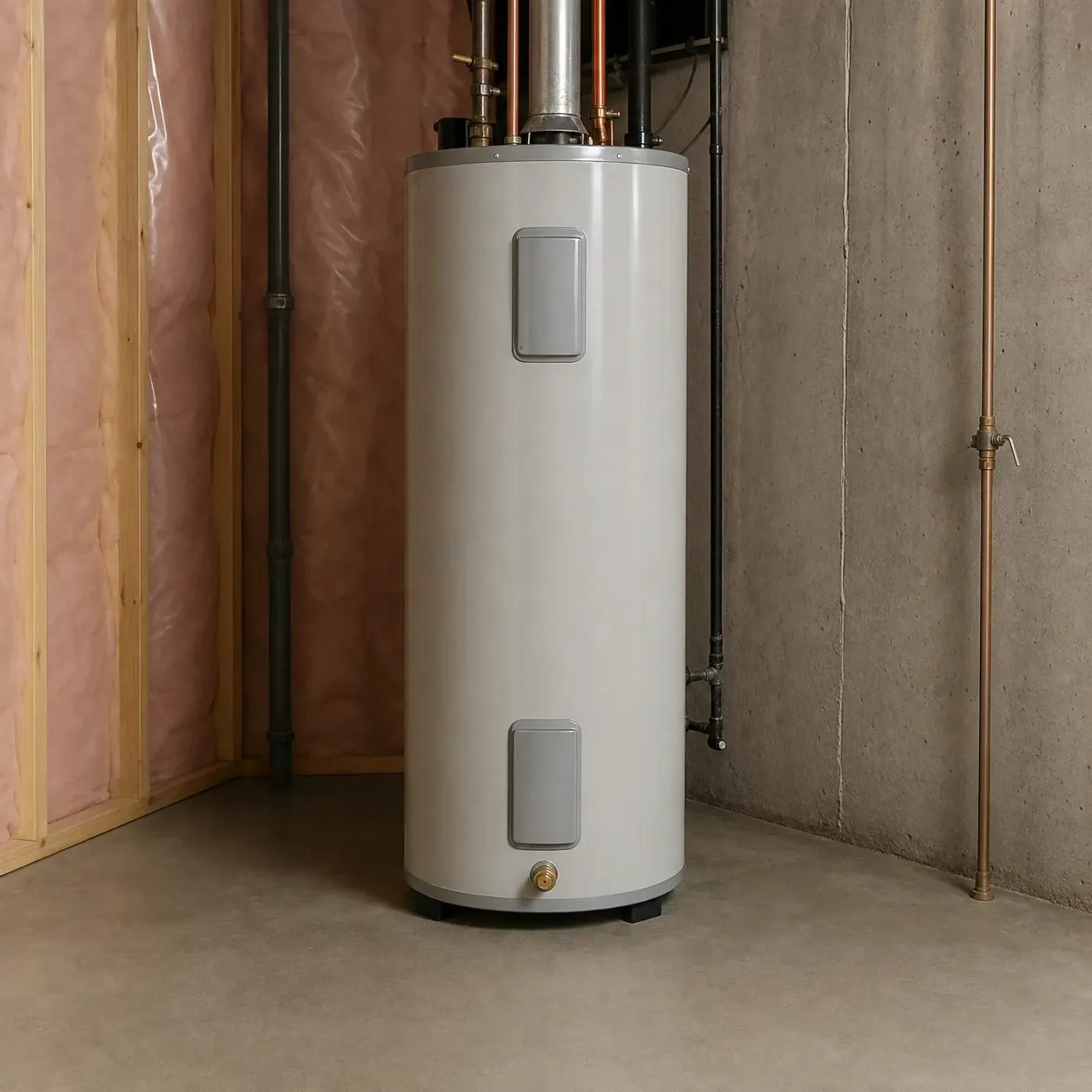
A white cylindrical water heater with two access panels and a brass drain valve stands on a concrete floor in a basement corner, beside a pink-insulated stud wall and a concrete wall with copper and black pipes.
A tank like this one is sound: no rust streaks, tight panels, insulation doing its job behind the wall.
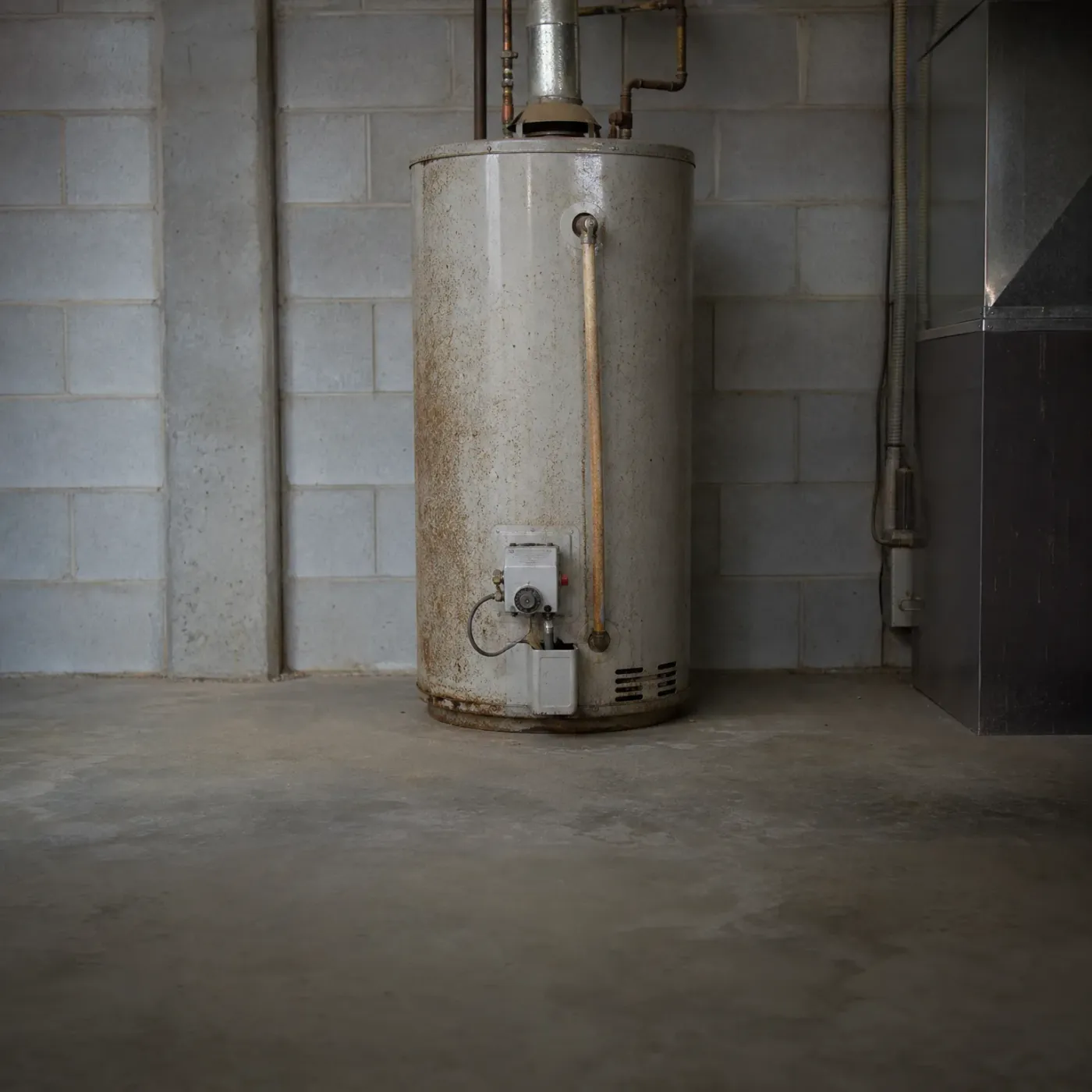
A rusted gas water heater with a flue pipe stands against a concrete block wall on a bare concrete floor, next to a dark metal duct or furnace cabinet at right.
This one has been fighting rust for years, and the galvanized pipe feeding it is losing ground too.

What are you noticing around your own tank?

Check the water heater itself, not just the shower. A ticking or rumbling sound from the tank means sediment has settled on the bottom and is heating up with the burner under it. Rust-colored water, even just for a few seconds when you first turn on the tap, usually means the tank or the pipe feeding it is corroding from the inside. A puddle at the base, or damp drywall near the unit, points to a leak that won't fix itself. Left alone, these get worse, not better, and a tank that's rusting through or leaking can fail outright, leaving you with no hot water at all and water damage to clean up on top of it.

A woman in a knitted shawl sits in a living room with a fireplace, shelves, a sofa with cushions, and a lamp by a bright window, looking off to the side.
A woman with long brown wavy hair in a green shirt over a white top stands in a living room with built-in white shelves, a ceiling fan, a potted plant and a sliding glass door.
A woman with shoulder-length gray-streaked hair in a light gray knit sweater stands smiling and looking off to the side in a living room with a sofa, houseplant, framed picture, and sunlit sliding glass door.
A woman with shoulder-length curly gray hair wearing a gray knit sweater stands near a window with a sheer curtain, looking to the side, with a blurred interior room behind her.

63.1% of homes statewide heat with gas

Most homes in Kansas heat water with a gas tank, and yours is probably one of them. Gas recovers fast between uses, so running out early usually points to a problem in the tank itself, not the fuel heating it.

ACS 2020-2024 5-year B25040

Running out of hot water fast isn't something you have to live with until the next cold shower proves it again. A tank that's heating fine should refill and recover between uses, not just once a day. When it doesn't, the cause is sitting inside the tank: sediment taking up space the water used to fill, a dip tube that's stopped doing its job, or a burner that can't keep pace anymore. A contractor who works on these tanks every season can tell which one it is by looking at the signs you've already noticed, the rust, the sound, the timing of when it turns cold. Once that's known, the fix is usually straightforward. You don't need to keep rationing showers around a tank that's telling you something is wrong. The problem has a name and a cause, and someone local who knows this equipment can find it.

A woman with her hair in a bun holds a sleeping young child against her chest, both wrapped in a textured beige knit blanket on a sofa in a dimly lit room with a lamp, framed picture, and bookshelf behind them.
A gray-haired woman in a cream knit sweater stands in a dimly lit kitchen at night, looking to her right, with a round loaf of bread in the foreground and a dark window and potted plant behind her.

Send one request and you're done looking

A broken dip tube or a few inches of sediment won't fix itself, and guessing at the cause just means more cold showers. Submit the form and a licensed plumber local to your part of Kansas takes it from there, someone who works on gas tanks all year and knows what usually gives out first. You deal with one contractor, not a handful of calls competing for the job. Once it's sent, finding the right person for your tank is off your plate.

Send my request

Only one pro gets your request, so you hear from one company.

Sending the form costs nothing.