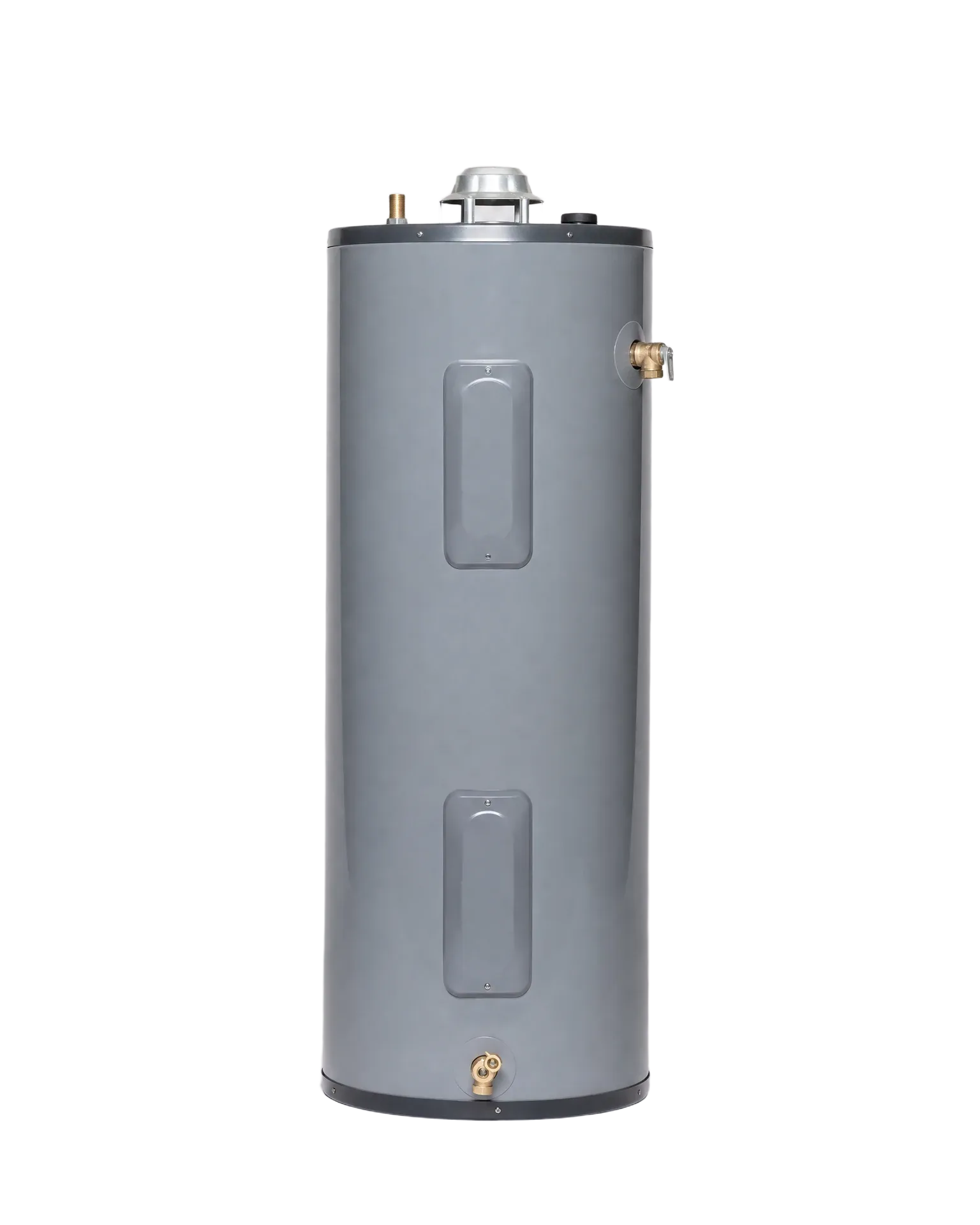
A tank keeping up
The burner fires, heat passes straight through a clean tank floor, and the water above it comes up to temperature on schedule. The flue draws properly and the gas valve cycles the way it was built to. Recovery stays consistent.
You run the shower or a sink dry, wait, and the next one comes out lukewarm long after it should have turned hot again. In a gas water heater, that gap between tanks refilling with hot water is the recovery time, and when it stretches out, something in the tank isn't doing its job the way it used to.
Gas water heaters recover by running a burner under the tank until the water reaches temperature. If that burner is dirty, partly clogged, or losing gas pressure, it heats slower, and every gallon takes longer to catch up. Sediment sitting on the bottom of the tank does the same thing from the inside, because it sits between the burner's heat and the water and has to warm up first. In most Kansas homes the water heater runs on gas, so a slow burner is the more common cause here than a wiring problem would be. Either way, the tank still gets the water hot. It just takes longer, and that gap tends to grow instead of fixing itself.
Hot water drains out and cold water fills the tank
The thermostat senses the cold water and calls for heat
Gas flows to the burner and the igniter lights it
The burner heats the water through the bottom of the tank
You notice it in small ways first. A shower that used to stay hot for two people now turns lukewarm halfway through the second one. Dishes in the sink need water reheated twice. If you check the tank, you might hear a low rumbling or popping sound from inside, which usually means sediment has built up on the bottom and is sitting between the burner and the water above it. Left alone, that layer keeps thickening, the burner works harder to push heat through it, and the gap between hot water running out and hot water coming back only gets longer.
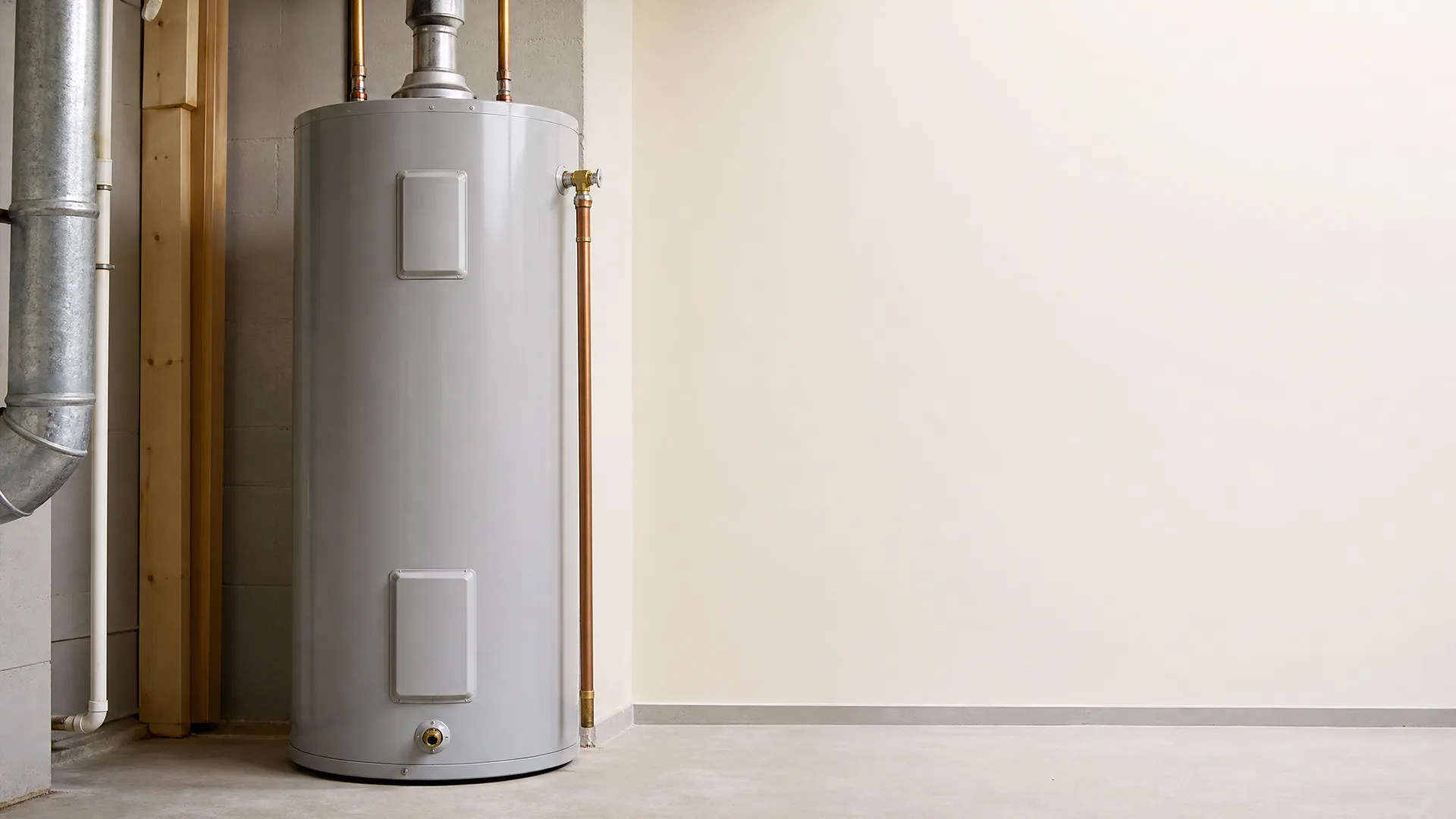
Gas burns under the tank, and the heat has to pass through the metal floor to reach the water above it. Sediment settles on that floor first. A layer of it sits between the flame and the water, so the burner runs longer to push the same heat through. In hard water areas this builds up faster, and a tank that once recovered quickly now takes noticeably longer after every draw.
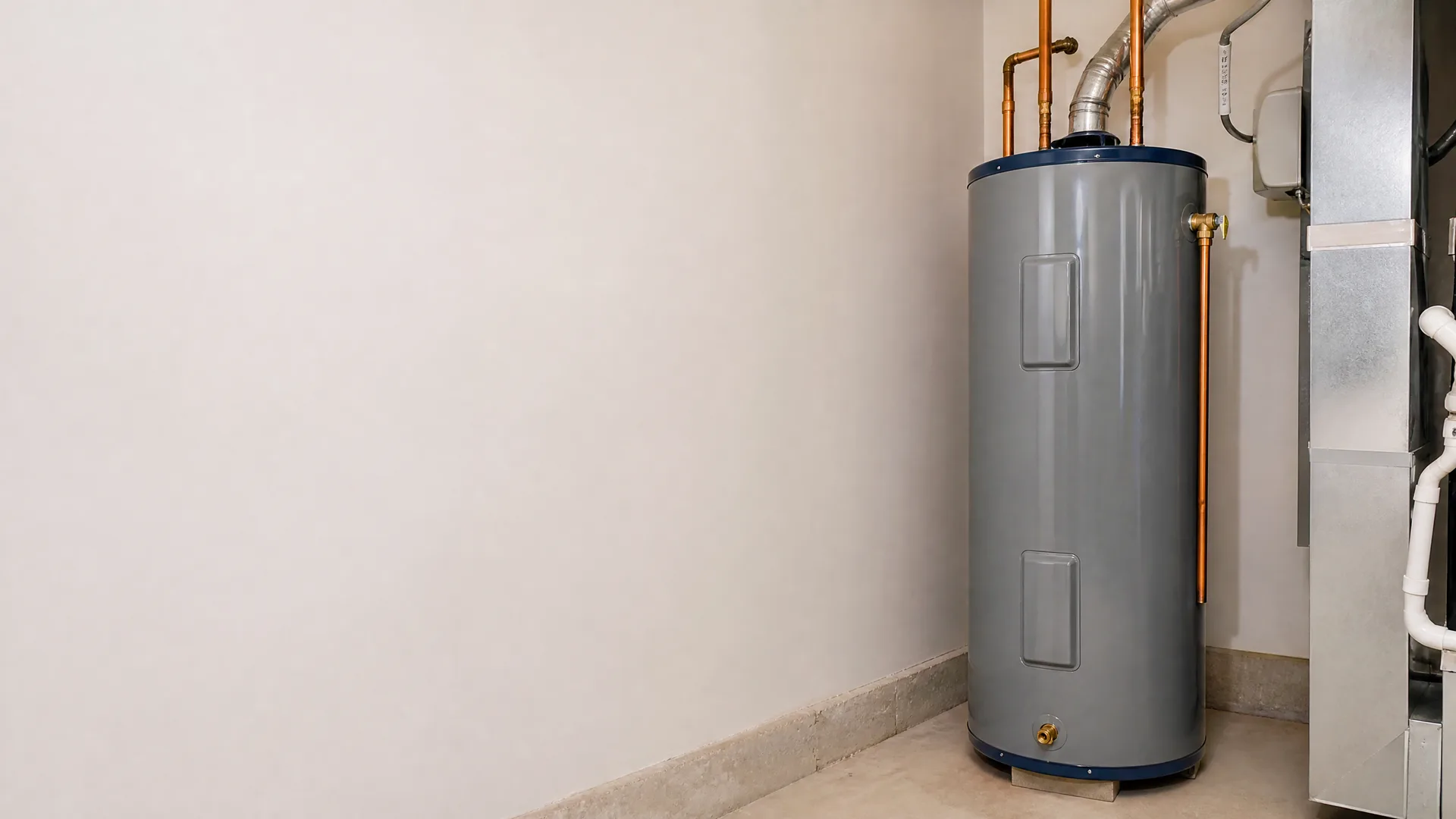
Every gas water heater has a burner rated for a certain recovery rate, usually listed in gallons per hour on the rating plate near the gas valve. A smaller burner simply takes longer to reheat a full tank, which is normal and not a fault. But if recovery has slowed down from what it used to be on the same unit, the burner size hasn't changed. Something else is working against it, and that part is worth having a contractor check.

You notice it first in the schedule. Showers get staggered, laundry gets timed around dishes, and someone always ends up waiting on the tank to catch up. A burner that runs longer to push heat through a layer of sediment also runs up your gas bill doing it, month after month, for the same amount of hot water you used to get faster.
Left alone, the sediment that slows recovery keeps building, and a tank that's struggling to heat is more likely to leak or fail outright down the line. You already know to deal with small problems before they turn into bigger ones. The harder part is finding a plumber who can look at the tank itself, rather than spending an evening calling around, explaining the same story to three different companies, and sorting through quotes to figure out who actually knows gas water heaters. Send the form once and that search is off your plate.





A slow tank does not fix itself. Sediment keeps settling, the burner keeps working harder to reach the water above it, and the gap between hot showers keeps growing until someone is standing under cold water at six in the morning. Finding someone to look at it is its own chore. You end up searching for a plumber, calling two or three, explaining the same thing each time, waiting on quotes to come back so you can compare them. Send the request here and that part is done. One contractor gets your information and the job of finding help is no longer yours to carry. What is left is the water heater itself, the actual reason you started looking in the first place, and that gets handled by someone who does this work. Your mornings do not have to stay built around how long the tank takes to catch up.
You can keep working around a slow tank. Run the dishwasher at night instead of after showers. Space out laundry so the washer isn't pulling hot water while someone's still rinsing off. Warn whoever showers second to expect lukewarm. Plenty of Kansas households do exactly this for a while, and it holds, until the gap between hot and not stretches far enough that the workarounds stop covering it. That's usually when someone's standing in a cold shower on a January morning with no more schedule tricks left to try.
A contractor who opens up the tank can tell you straight off whether it's sediment slowing the burner down or something else, a failing thermostat, a burner that isn't getting enough gas. Flushing the sediment out restores the path between the flame and the water, so the burner isn't fighting through a layer of buildup anymore. That's the difference between managing a slow tank for months and having it work the way it did when it was new. You still have to find someone who does this work and get them out to the house, which is its own chore on top of the one you already have.
Most homes around you run on gas, so your water heater most likely does too. That matters here because gas burners can usually push through a layer of sediment and still recover, just slower, where an electric tank would fall behind even faster.
ACS 2020-2024 5-year B25040
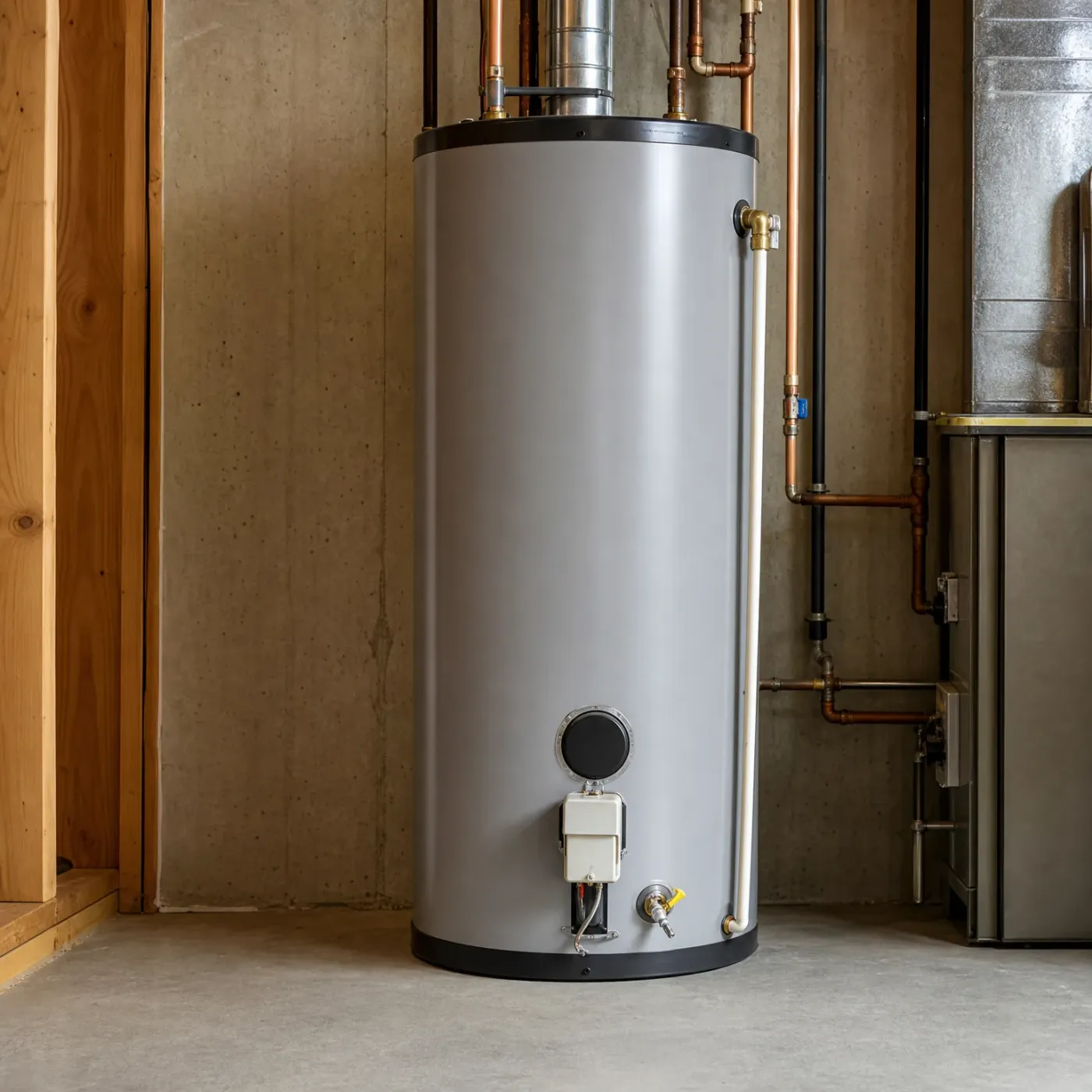
The burner fires, heat passes straight through a clean tank floor, and the water above it comes up to temperature on schedule. The flue draws properly and the gas valve cycles the way it was built to. Recovery stays consistent.
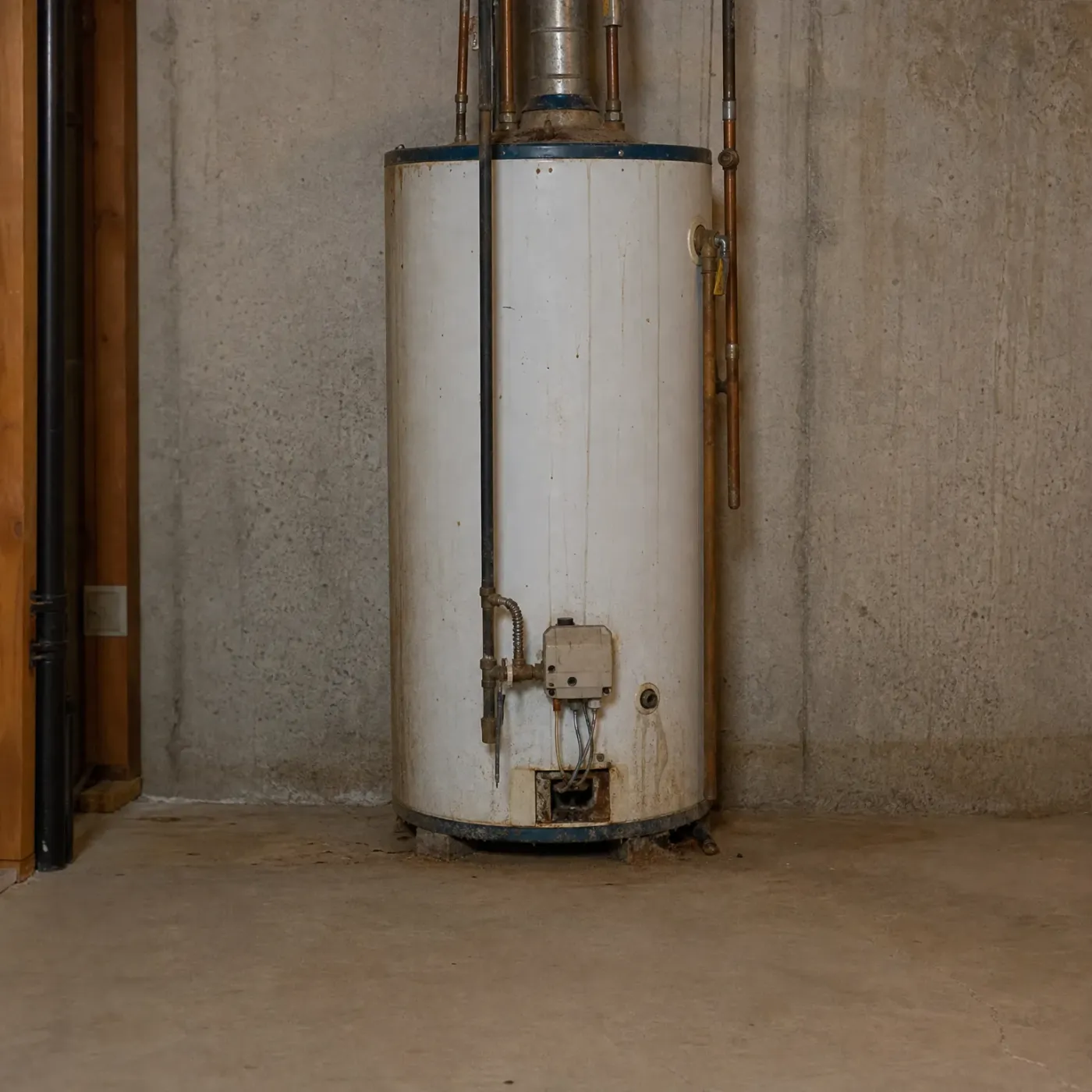
Rust along the seams and a corroded flue are signs of a tank that has been working hard for a long time. Sediment has likely built up on the floor inside, same as the rust shows outside, and the burner is working through it.
A gas water heater that takes longer and longer to catch back up almost always comes down to sediment sitting between the flame and the water. The burner keeps firing the same as it always did, but more of that heat gets absorbed by the buildup on the tank floor before it ever reaches the water above it. That is the whole story behind the lukewarm second shower and the dishwasher that needs the tank to rest before it runs again. It will not reverse on its own, and the gap keeps widening until a contractor flushes the tank or looks at what else might be slowing recovery, like a burner or thermostat that isn't keeping pace. You already know your own routine well enough to notice when something's off. What you don't have to do is figure out on your own who to call, explain the problem over the phone to three different places, and sort through quotes before anyone shows up. Send the details once and that part is off your plate.


Done looking for a water heater pro
Describe your water heater job once, to one pro.
