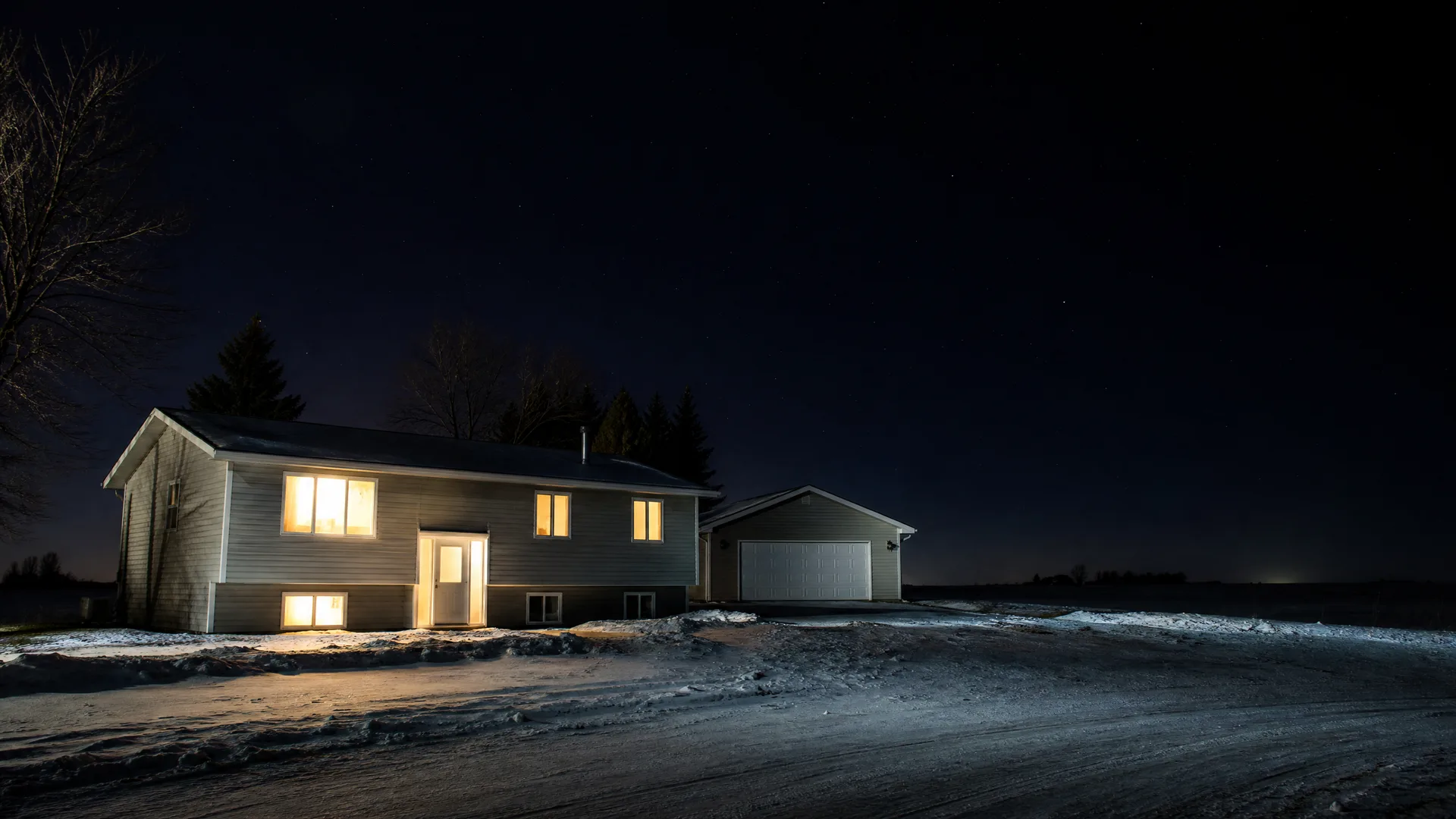
Working the way it should
A water heater that's doing its job sits quiet. The pipes feel warm to the touch, the pressure relief valve stays dry, and you don't think about it until you need hot water, and it's there.
Cold water in the middle of a Wichita winter is not something you want to sit with. No hot water usually means a hard stop somewhere in the system, not a slow leak you can ignore until the weekend. Whether it runs on gas or electric, a water heater that won't recover needs someone who can look at it and tell you what actually failed. You don't have to track that person down yourself. Send your information through and it gets matched to a contractor near Wichita who takes on this kind of repair, and that contractor will reach out to you directly. From there it is between you and them. Fill out the form and let someone else carry the job of finding the right person for your house.
A cold shower with no warning is usually the first sign something failed, not something fading. In Wichita, with winter groundwater running cold, the gap between a working water heater and a dead one is obvious fast. You want to know what cut the hot water off before you start checking pilot lights or breakers yourself.
A gas water heater that suddenly gives no hot water has usually lost its pilot or its igniter has failed, so the burner never lights even though gas is still flowing. An electric water heater losing hot water all at once points to a tripped breaker or a failed heating element, since the tank itself rarely fails without warning. Either way, the tank was heating water fine until one part stopped doing its job. Cold groundwater in a Wichita winter makes the drop feel sudden and total, because there's no leftover warmth in the pipes to soften it. The fix depends on which part failed, and that's not always obvious from the tap.
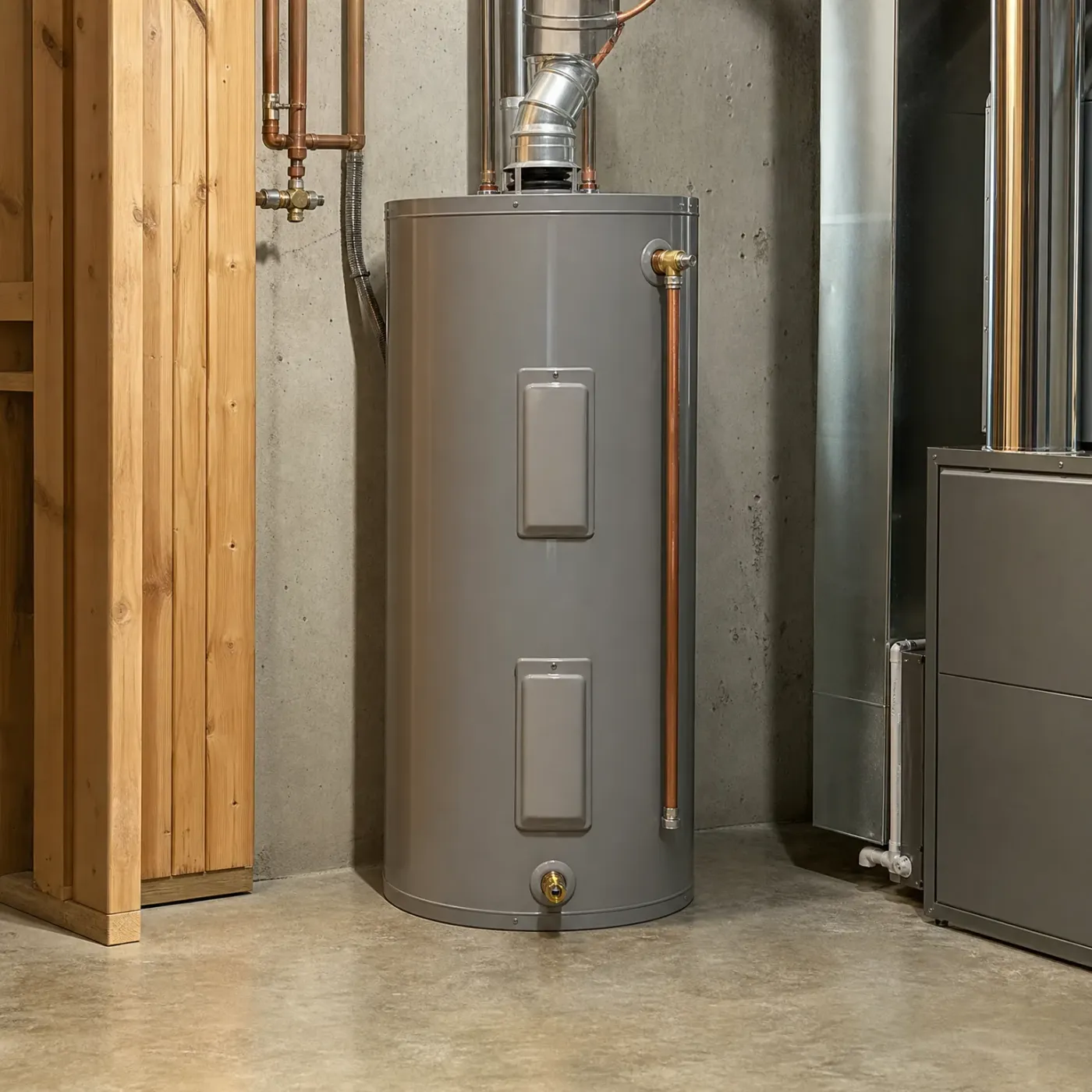
A water heater that's doing its job sits quiet. The pipes feel warm to the touch, the pressure relief valve stays dry, and you don't think about it until you need hot water, and it's there.
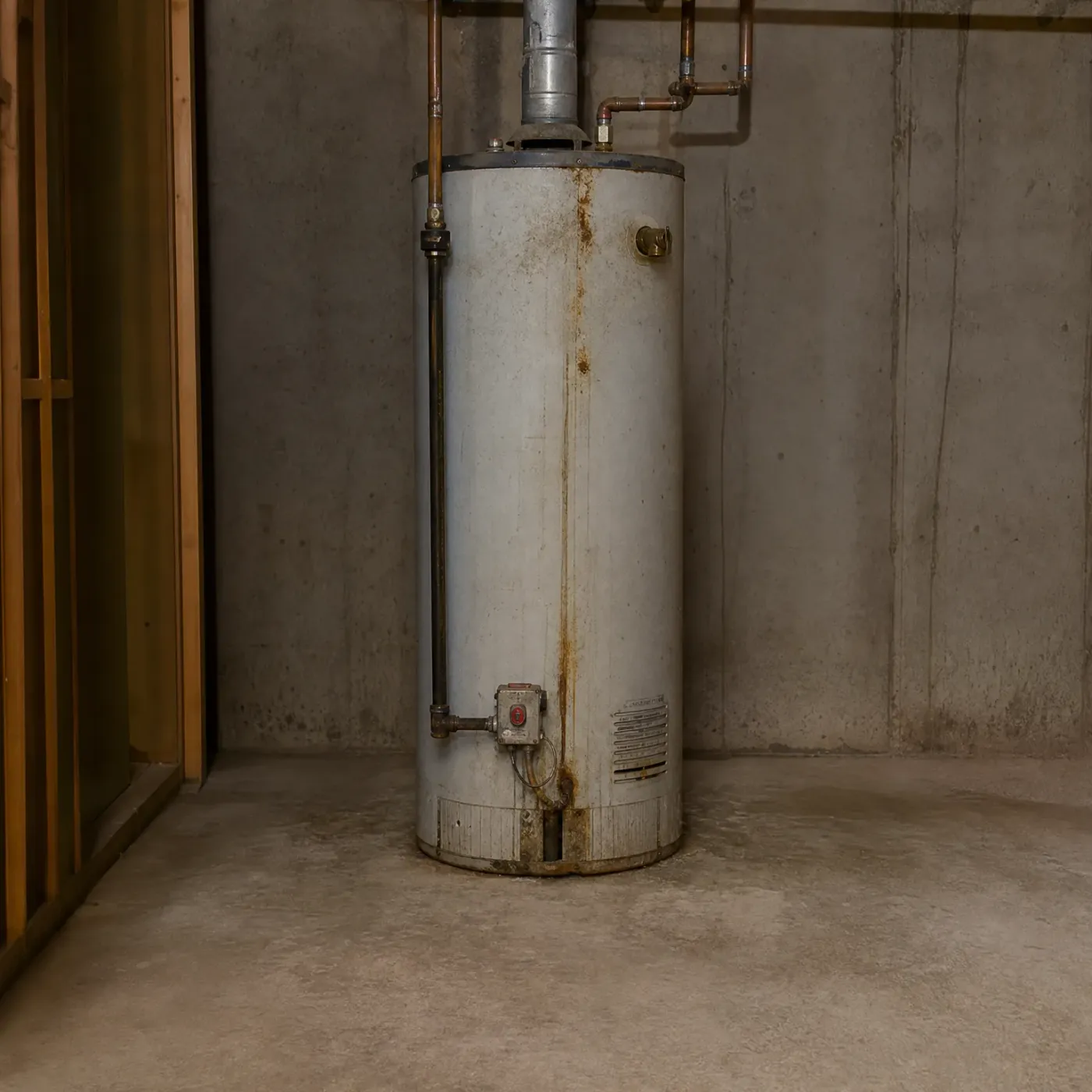
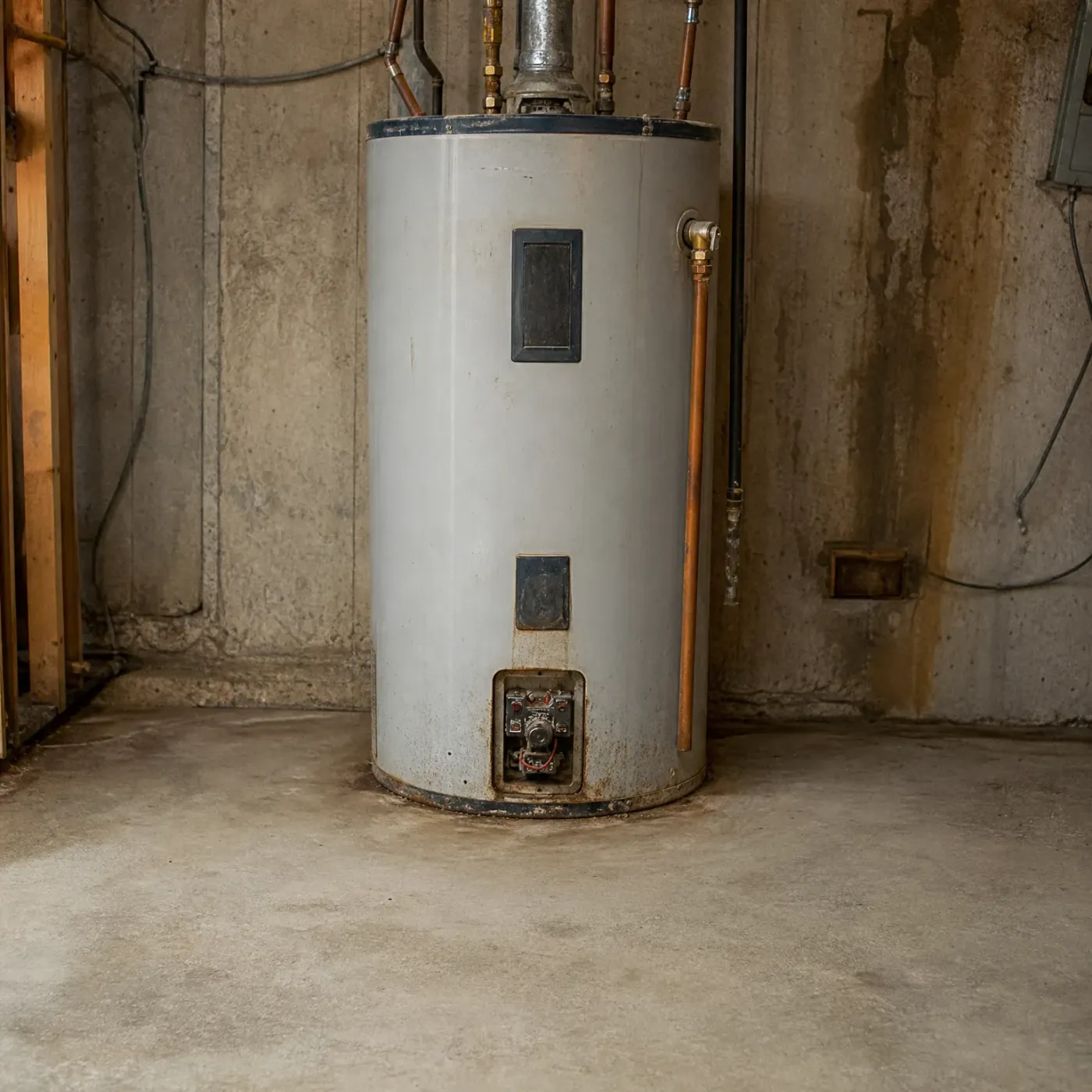
Rust on the tank and valve means the steel underneath is giving out. A gas water heater in this shape can fail without warning, and the gas valve and thermostat near the base are worth a second look too.
2.51 people per household on average
With 2.51 people in the average Sedgwick County household, a water heater here is covering real demand most mornings, not sitting idle between uses.
Half the homes here were built by 1978
Half the homes in Sedgwick County were built in 1978 or earlier. If yours is one of them, the water heater inside it is worth checking against when the house itself was built.
66.7% of homes heat with gas
Gas heats 66.7% of homes in Sedgwick County, more than any other fuel. A gas water heater that won't light or stay lit is the most common version of this problem here.
ACS 2020-2024
If your water heater runs on gas, look at the pilot light before you assume the worst. A pilot that's gone out with no obvious reason, a burner that won't stay lit, or a thermocouple that's worn out will all cut off your hot water without any warning signs beforehand. None of these are things you can safely force back to life by holding a lighter to the burner tube for longer. Gas work means there's a flame and a fuel line involved, and a part that keeps failing is usually telling you it needs to be replaced, not relit. If the pilot won't hold once you get it going, that's a thermocouple or a gas valve, and it calls for someone licensed to work on it.
An electric water heater doesn't have a pilot to check, so the failure shows up elsewhere. Most electric units have two heating elements, an upper and a lower, and either one can burn out on its own. If the upper element fails, you might still get a few minutes of lukewarm water before it turns cold, since the lower element is still trying to do the whole job alone. A tripped high limit switch will shut the whole unit down even if both elements are fine. None of this is something to test with a multimeter if you're not used to working inside an electrical panel that's wired into 240 volts.




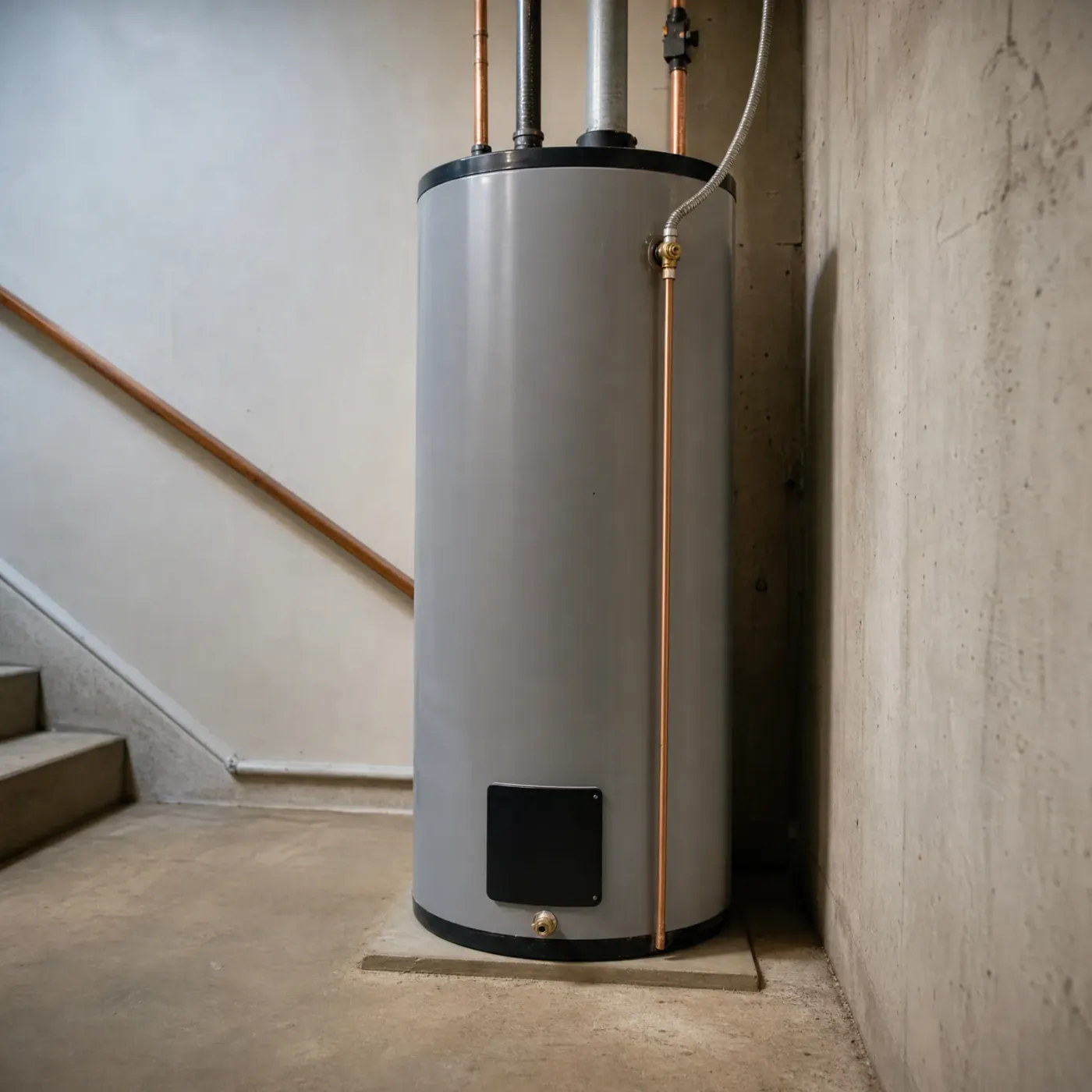
After you send the request, you're done searching.
Get matched with a pro who fixes water heaters in Sedgwick County.
There's no charge for the request.
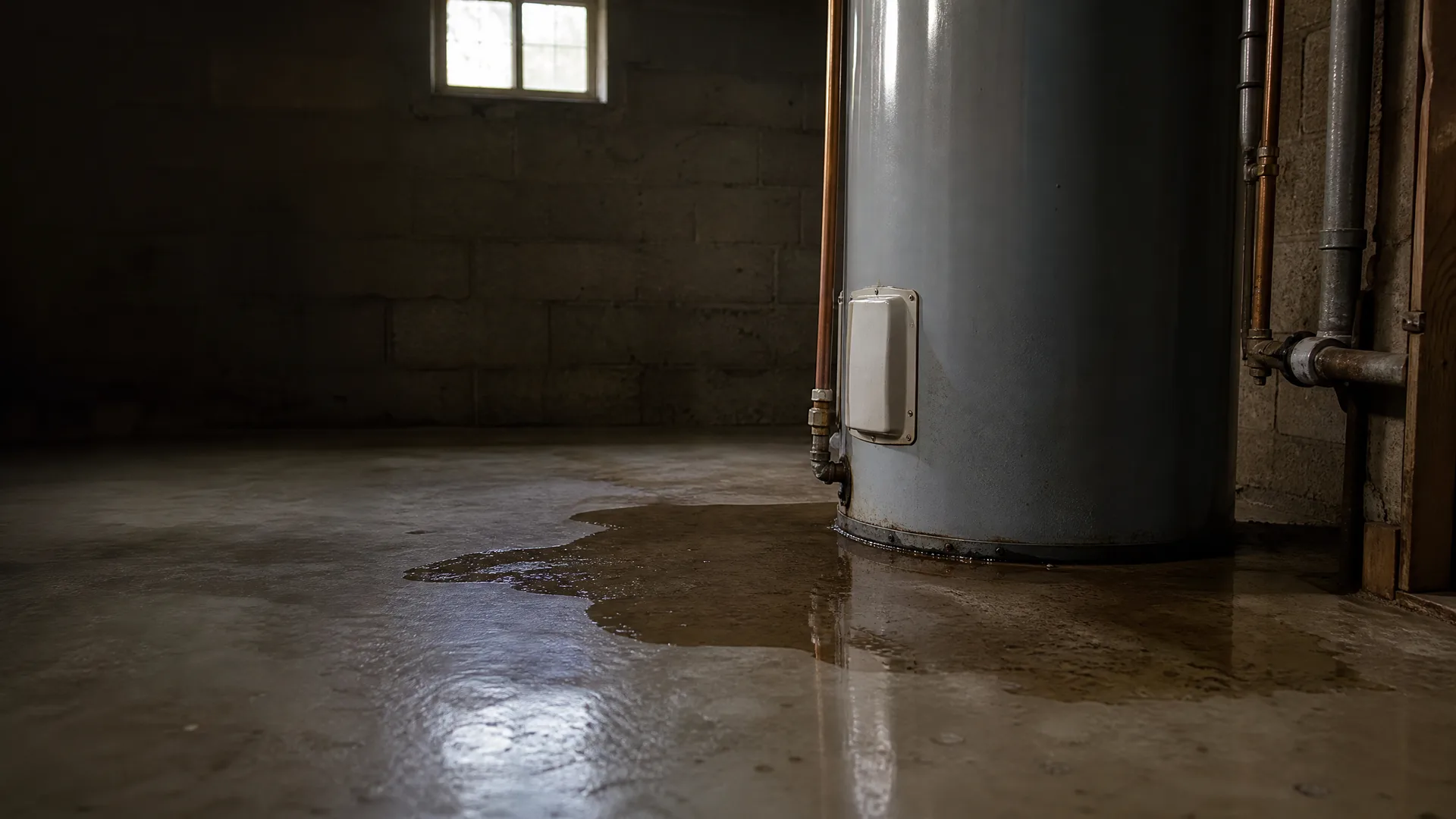
Saturday morning and the house is quiet. You go down to the basement to grab something from the shelf and your socks get wet before you see why. A ring of water has spread out from the base of the tank, already reaching the drain in the floor. The tank itself looks the same as always, no dent, no rust streak you can point to. You put a hand near the bottom and the metal feels cool, and the burner underneath is dark. Outside it's the kind of cold Wichita gets in the middle of winter, the ground frozen, and you're standing in a puddle in your basement with no hot water and a tank that isn't going to fix itself before Monday.
You turn the tap and it never warms up, or it warms up for a minute and then drops cold mid-shower. Maybe the water has a metallic smell, or it's coming out rusty brown instead of clear. You might hear the tank popping or rumbling before this started, a sign of sediment sitting on the burner or the element. If it's a gas unit, check whether the pilot is lit at all. If nothing is wrong that you can see or hear and the water is still cold, the heating element or the gas valve itself may have failed. Left alone, a tank that struggles to heat is usually a tank working harder to do it, and that shows up on the gas or electric bill before it shows up as a full breakdown.
A thermocouple or igniter fails, so gas never lights
The pilot or burner flame goes out and stays out
Heated water in the tank slowly cools with no new heat
Cold water enters the tank but nothing warms it


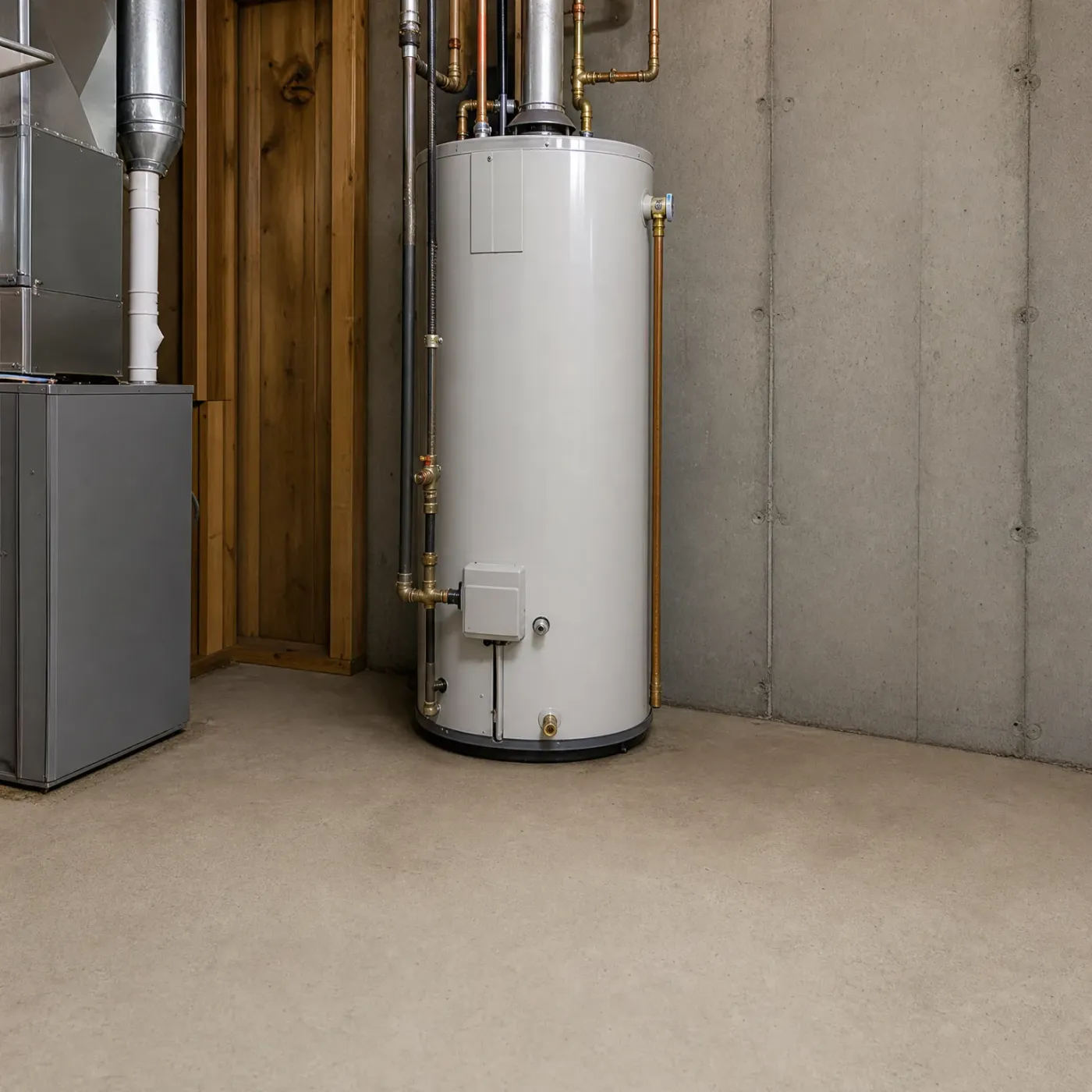
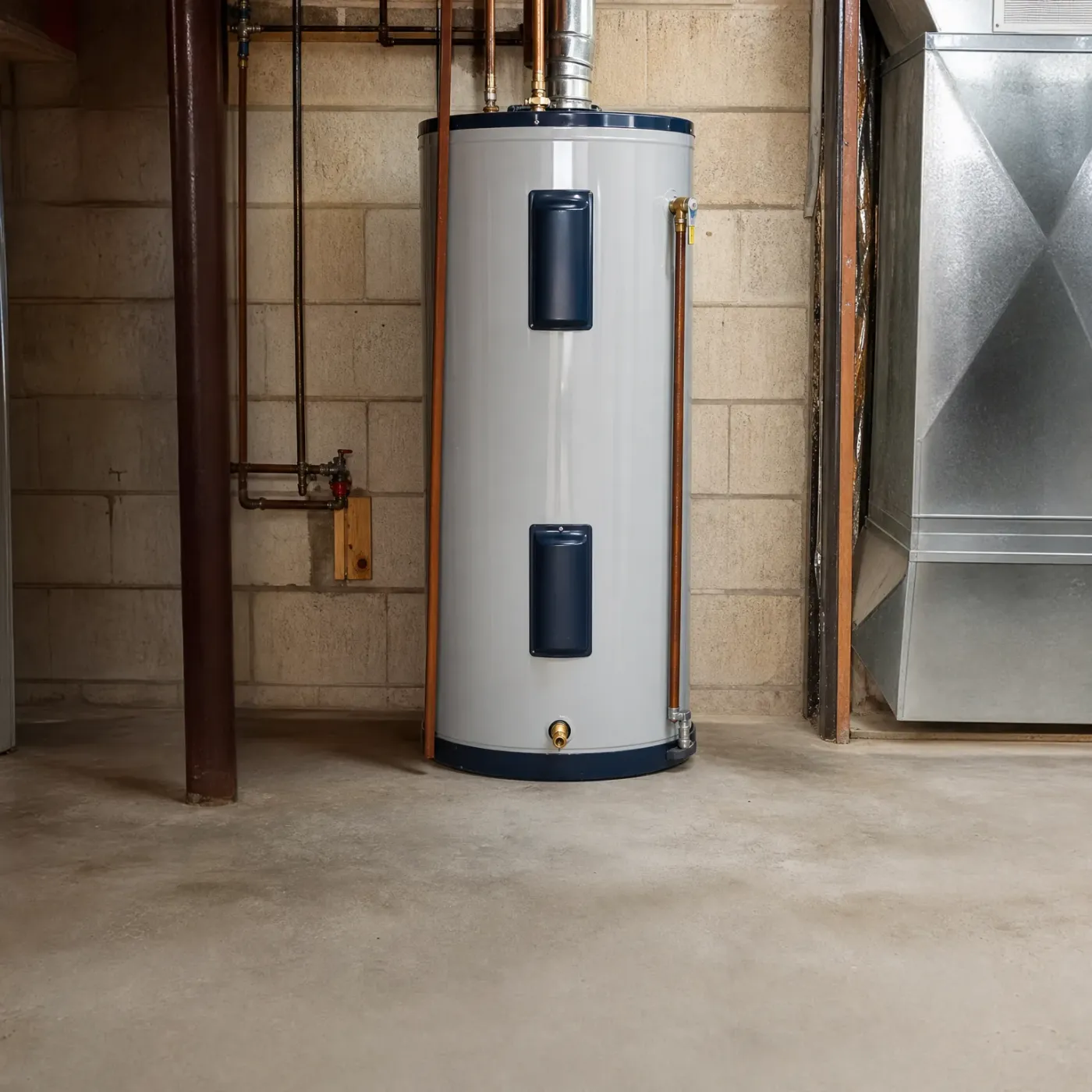
Copper lines run tight to the shutoff, the gas line is clean, and the tank sits level next to the furnace without a drop on the floor. Nothing here tells you it's about to fail. A water heater in this shape just keeps making hot water on schedule.
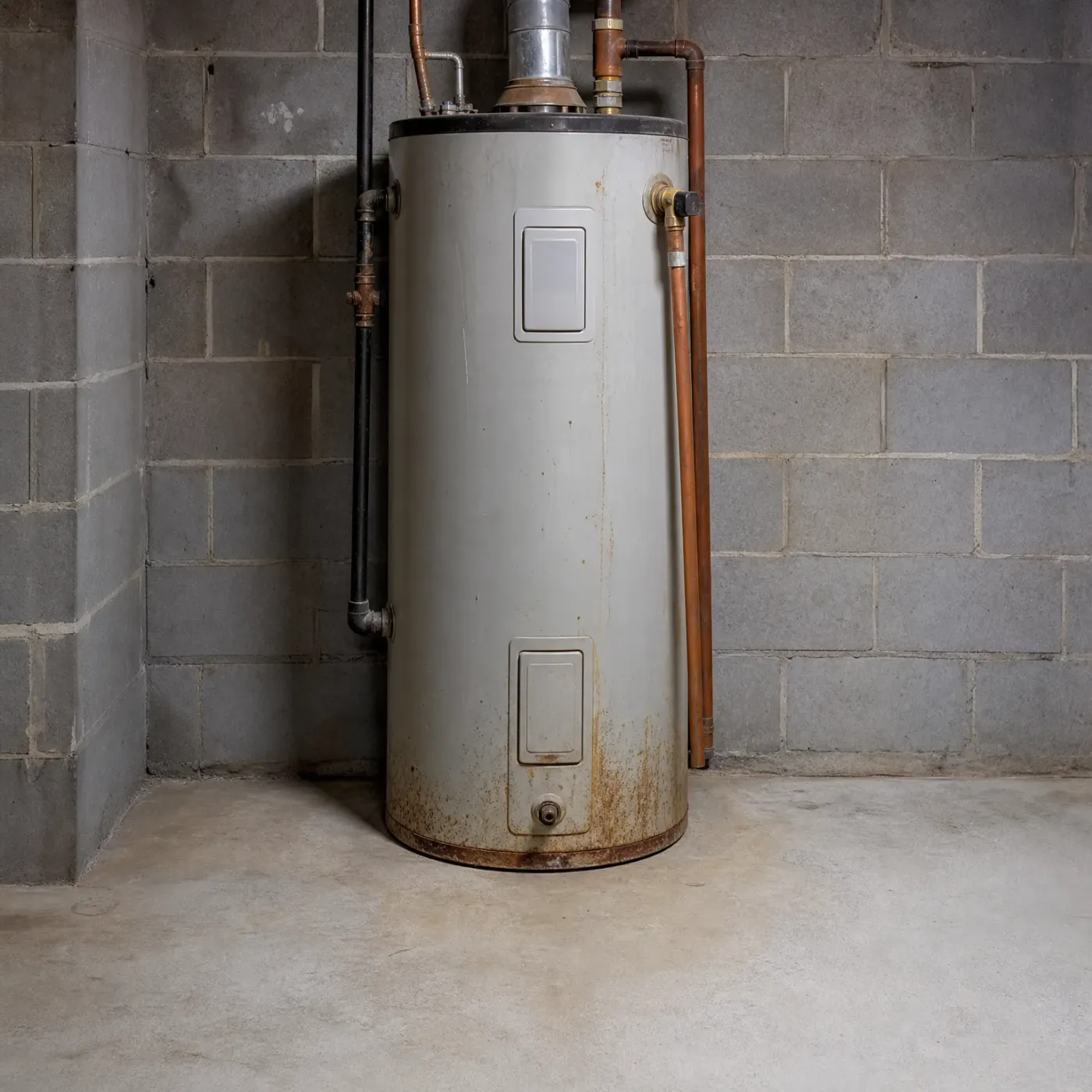
Rust has worked across the base and along the seams where the steel meets itself. That's the tank corroding from the inside out, not a surface stain you can wipe off. Once rust shows on the outside like this, the water heater is closer to the end than the middle.
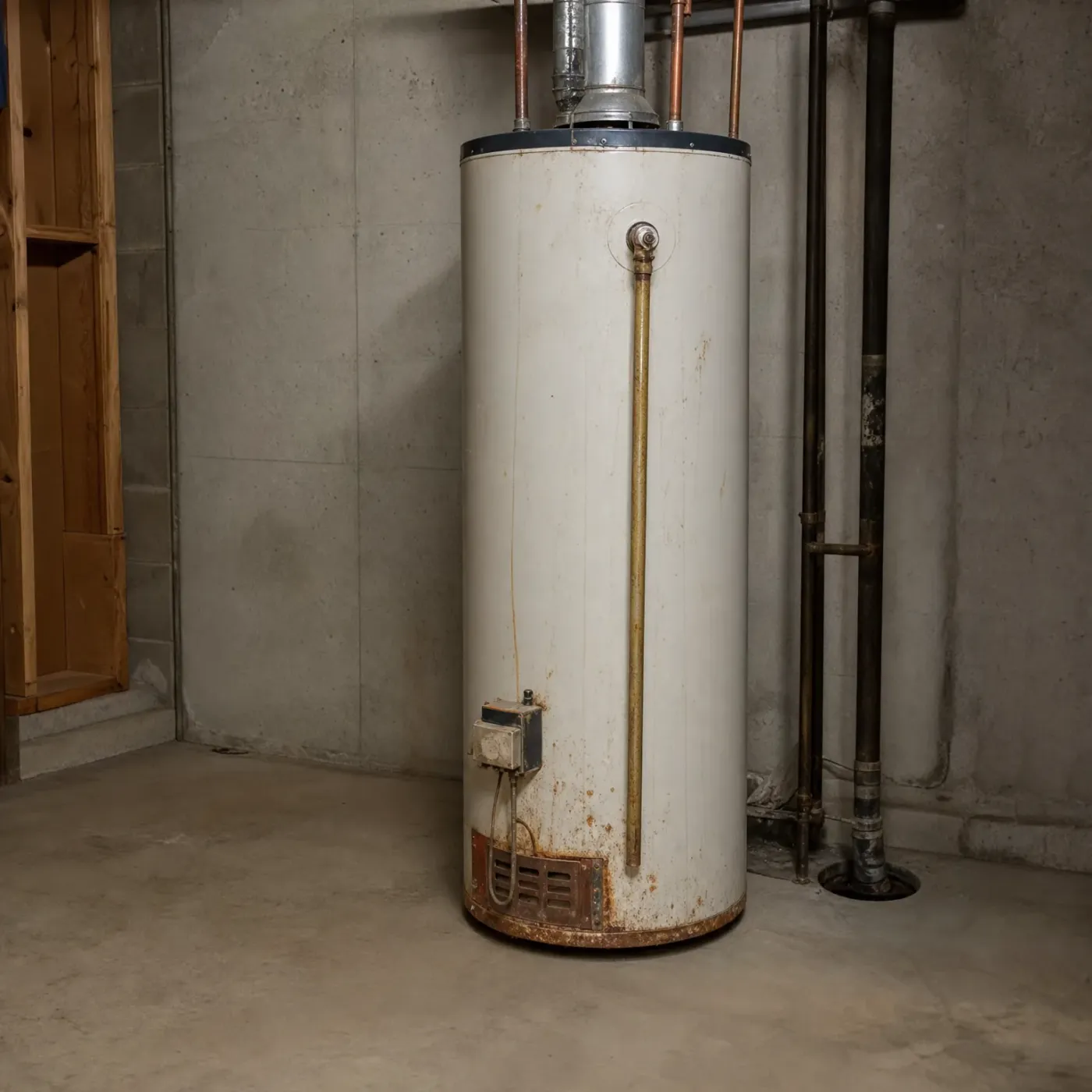
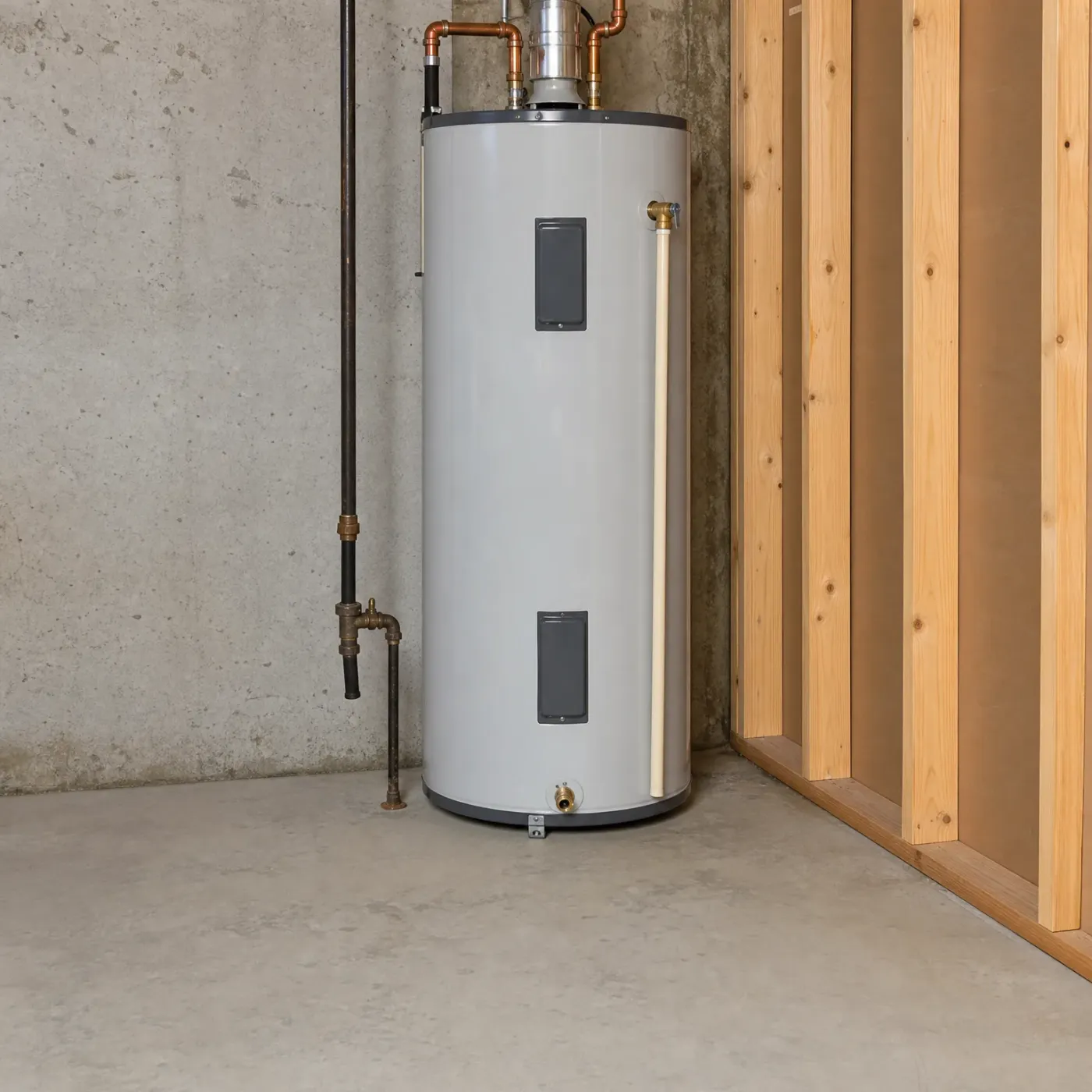
Cold showers, a tank that never warms up, or a pilot that won't stay lit. You're working around a problem instead of living without thinking about it.
The tap runs hot when you turn it. No more checking the pilot or waiting on a tank that won't recover between uses.
At 14.59 cents per kilowatt-hour, an electric water heater here isn't an expensive one to run day to day. That makes a sudden cold tap less about what it costs to heat water and more about a failed part, a tripped heating element or a bad thermostat somewhere in the tank.
EIA-861 2025
No hot water comes down to one failed part, whether that's a thermocouple, a heating element, or a tank that's finally given out after years of rust working through the steel. You don't have to figure out which one it is standing in a cold shower. A gas pilot that won't hold, an electric element that's stopped heating, a tank leaking onto the floor, each of those points somewhere specific, and a licensed contractor who works on water heaters in Wichita can look at yours and tell you which it is. Once you send the form, you're not the one tracking down who's available or calling around to compare schedules. That part is off your plate. You'll hear from someone who handles this kind of repair, and from there it's a matter of getting the right part in or, if the tank's too far gone, talking through what a replacement looks like. Either way, the cold tap doesn't have to stay cold through another one of these Wichita winters.
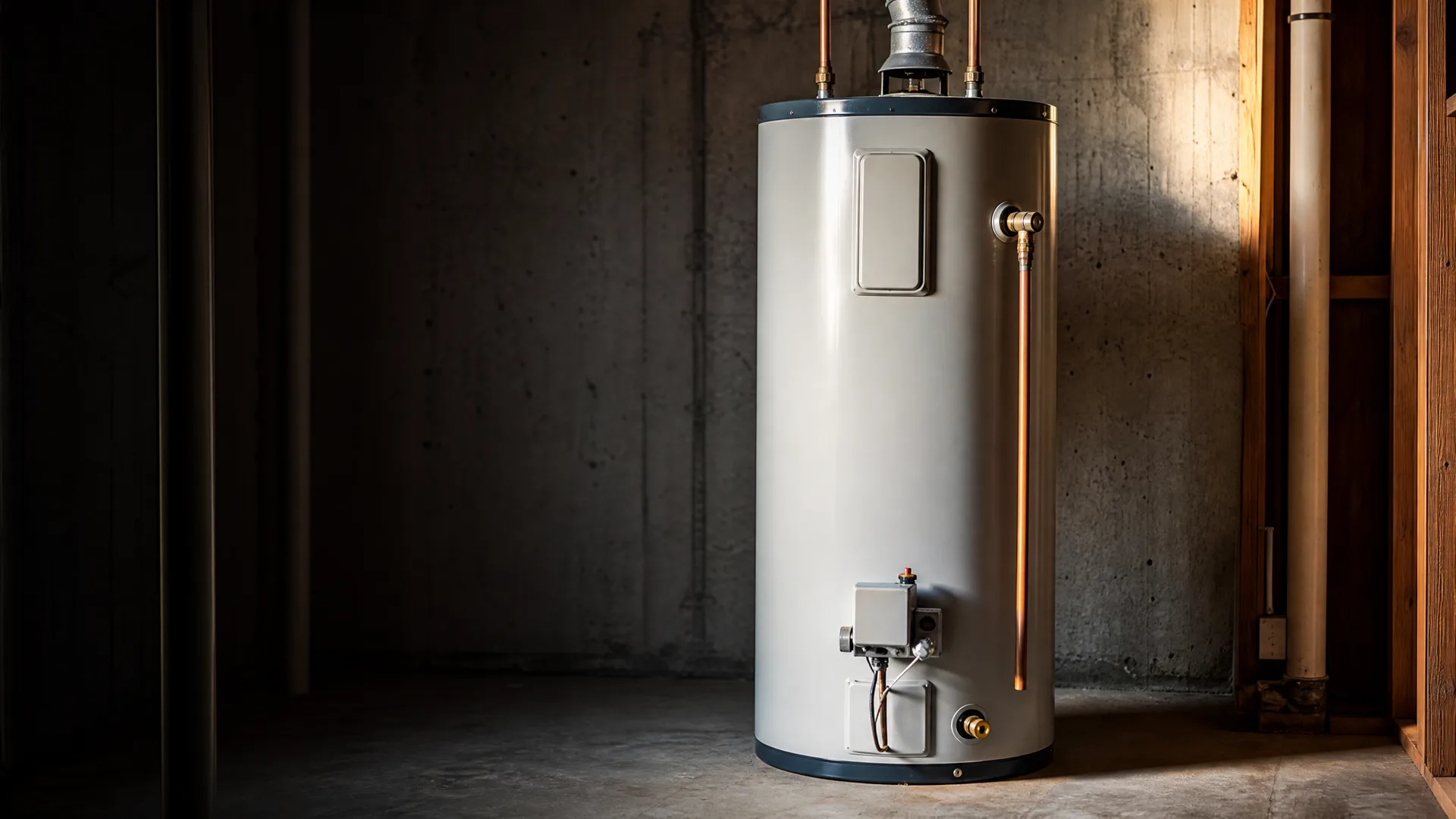
Get the right pro for your water heater