Tell us about the job
Takes about a minute. No obligation.
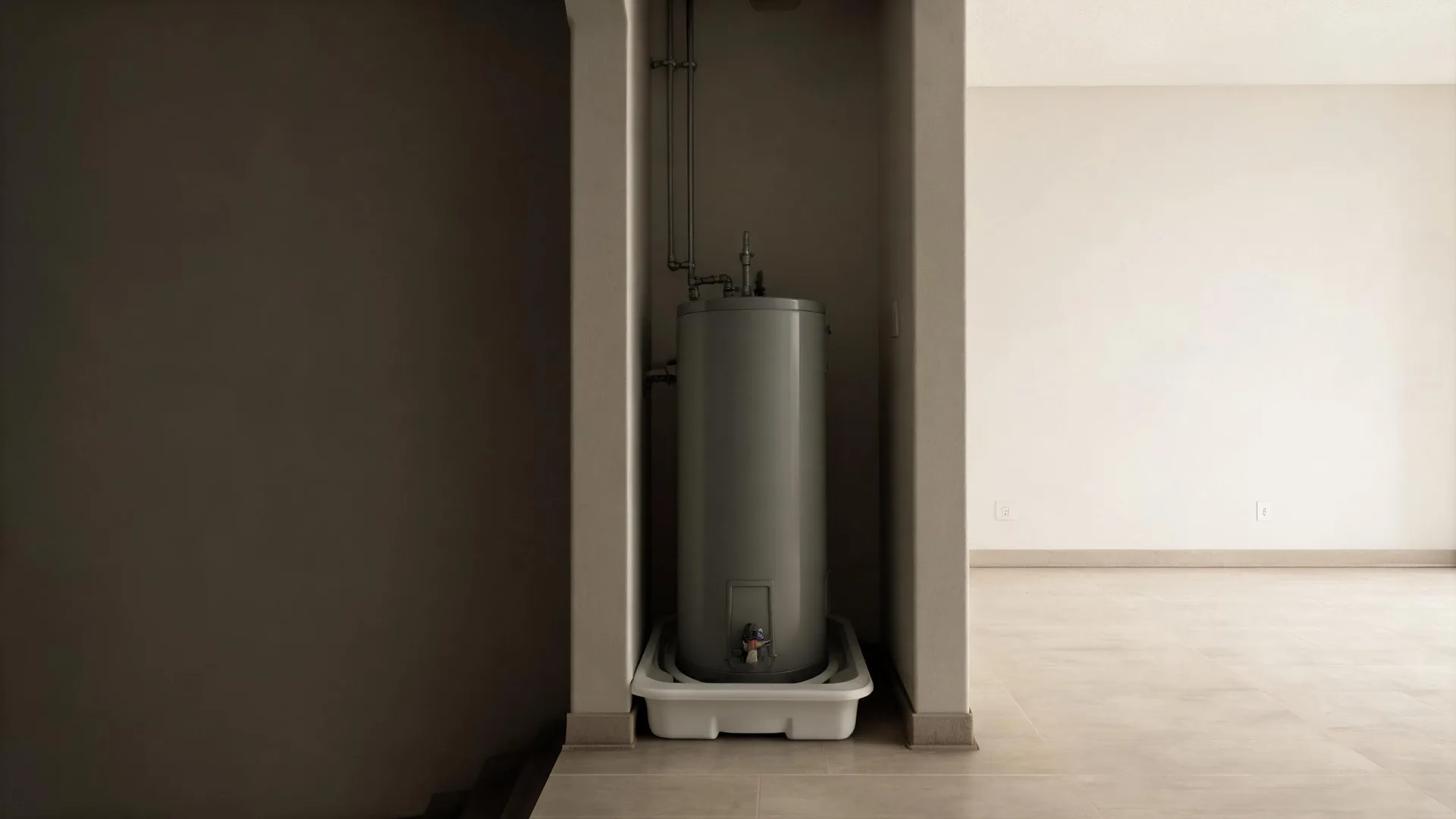
Gas-fired water heaters dominate Finney County homes, and a contractor quoting a replacement starts with the venting and combustion air setup the current unit relies on. Utility gas heats more occupied homes in Finney County, Kansas than any other fuel, at 73.1% (2020-2024 ACS 5-year). That concentration shapes what a licensed installer has to confirm before specifying equipment: whether the flue is sized for a high-efficiency condensing unit, whether the space around the heater draws enough combustion air, and whether the gas line can carry the load a larger unit demands. A house built around gas infrastructure steers the replacement in a direction the structure itself already commits to.
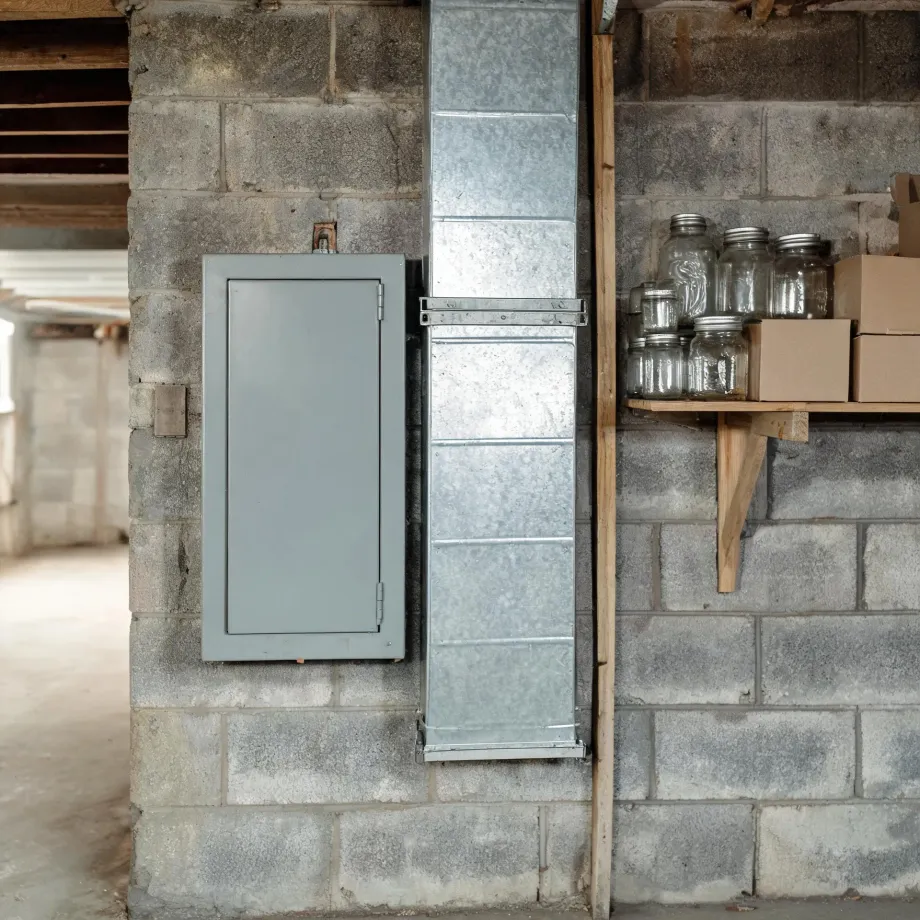
Existing ductwork and electrical service are what a water heater contractor prices around in Finney County, not the unit itself. Half the homes in Finney County, Kansas were built in 1978 or earlier (2020-2024 ACS 5-year). That means a substantial share of the housing stock here was wired and ducted for equipment that has since been replaced at least once, leaving service panels and line runs built to a load that current units do not match. A contractor quoting a job opens access panels and checks what is actually there before the equipment choice settles anything.
The Parts of a Water Heater an Installation Covers
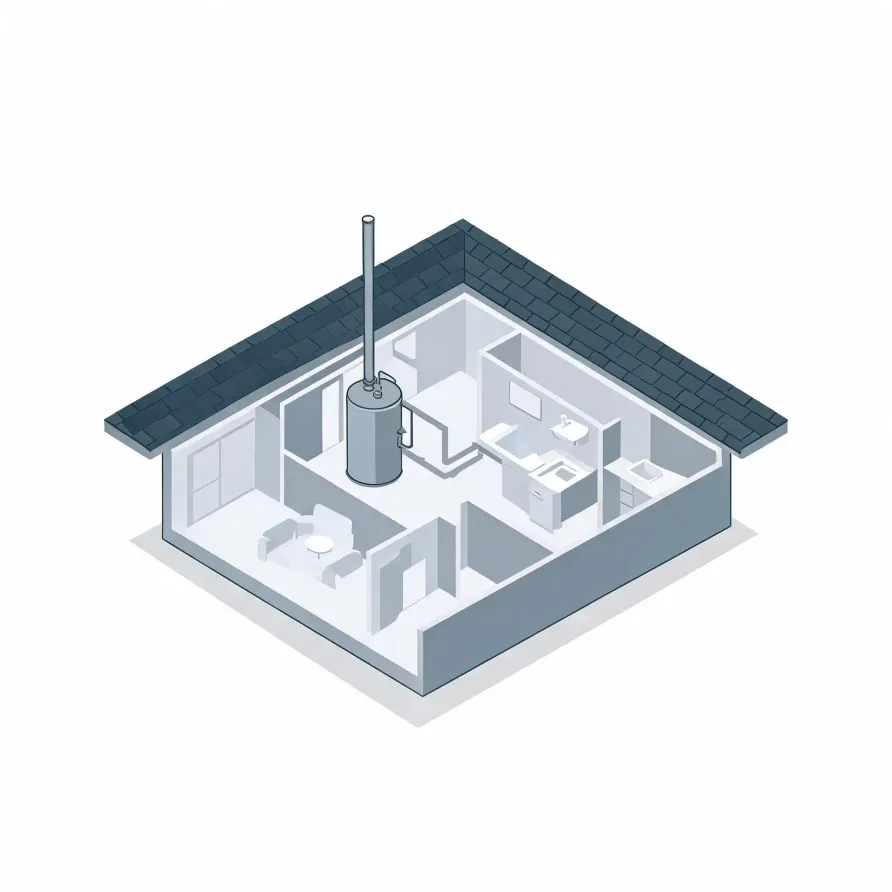
The tank is the piece a homeowner sees first, sitting in a utility closet, basement, or garage. It holds and heats the water supply for the whole house. Attached to it are the inlet and outlet connections, which bring cold water in and send hot water out to every fixture.
The pressure relief valve mounts directly on the tank and releases if internal pressure climbs too high. A drain valve sits near the base. The flue or venting assembly runs from the top of a gas unit up and out of the house, carrying combustion gases away from the living space.
The drawing shows a typical layout, and a licensed contractor determines exactly what applies to this house.
Find a contractor in Finney CountyFinney County, by the numbers
363 severe weather events were recorded in Finney County, Kansas between 2015 and 2024.
NOAA National Centers for Environmental Information, Storm Events Database, bulk CSV export, events 2015-01-01 through 2024-12-31.Half the homes in Finney County, Kansas were built in 1978 or earlier (2020-2024 ACS 5-year).
U.S. Census Bureau, 2020-2024 American Community Survey 5-Year EstimatesFinney County, Kansas holds 14,355 housing units (2020-2024 ACS 5-year).
U.S. Census Bureau, 2020-2024 American Community Survey 5-Year EstimatesOwners occupy 64.9% of the occupied homes in Finney County, Kansas (2020-2024 ACS 5-year).
U.S. Census Bureau, 2020-2024 American Community Survey 5-Year EstimatesSevere Weather Events in Finney County
Finney County's weather puts real load on water heating equipment year over year. How much stress a unit accumulates depends on local conditions, and that makes sizing and installation decisions specific to this area.
363 severe weather events, 2015–2024. Source: NOAA National Centers for Environmental Information, Storm Events Database.