Tell us about the job
Takes about a minute. No obligation.
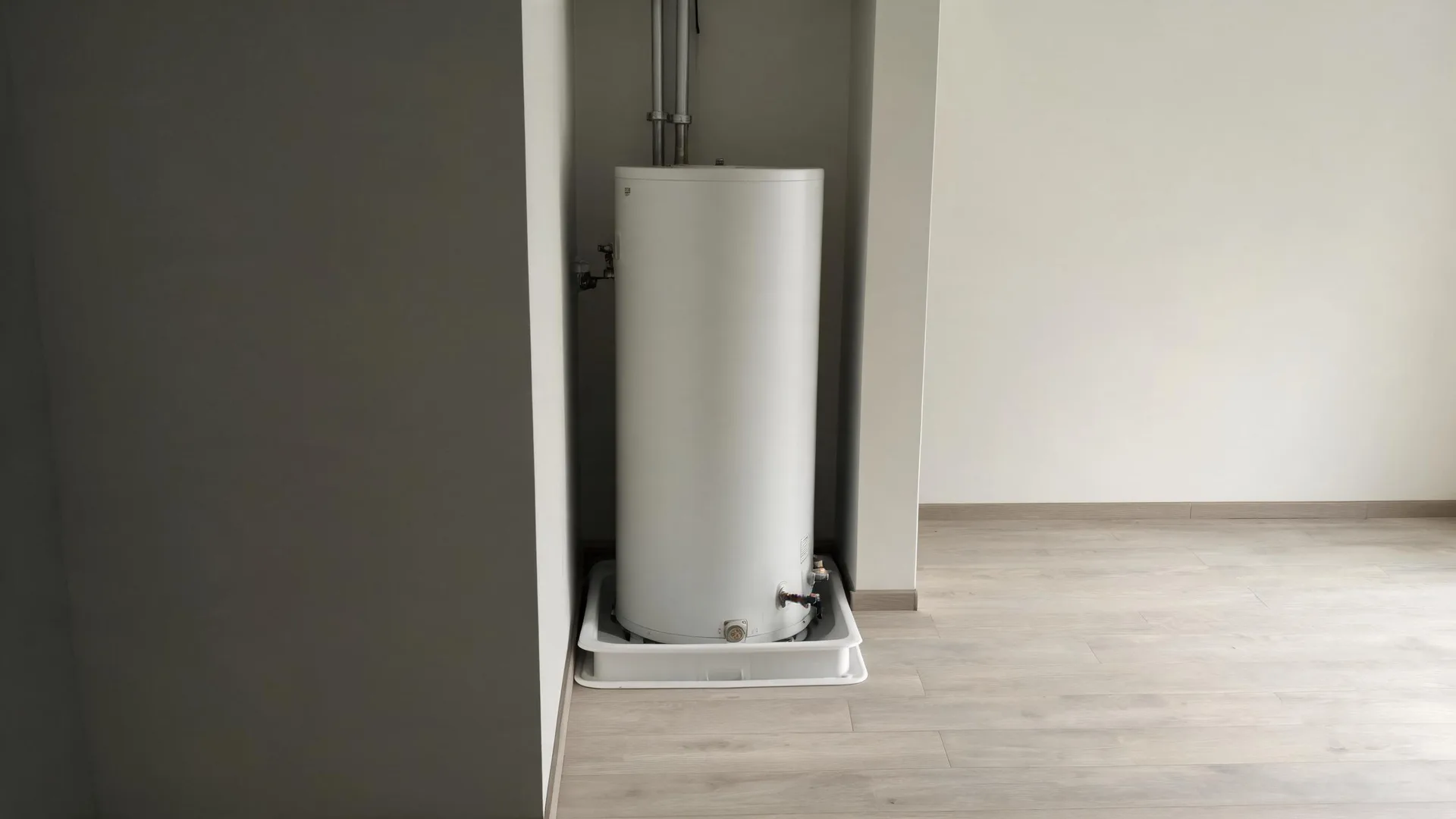
Gas water heater installation in Allen County starts with what the house already burns. Utility gas heats more occupied homes in Allen County, Kansas than any other fuel, at 58.2% (2020-2024 ACS 5-year). That share means a contractor quoting a replacement here is almost always working with an existing gas line, an existing flue, and a venting configuration that the new unit has to match. Combustion air requirements, flue diameter, and draft hood clearance all depend on the fuel, and a unit that is mismatched to the venting it sits in will underperform from the first day.
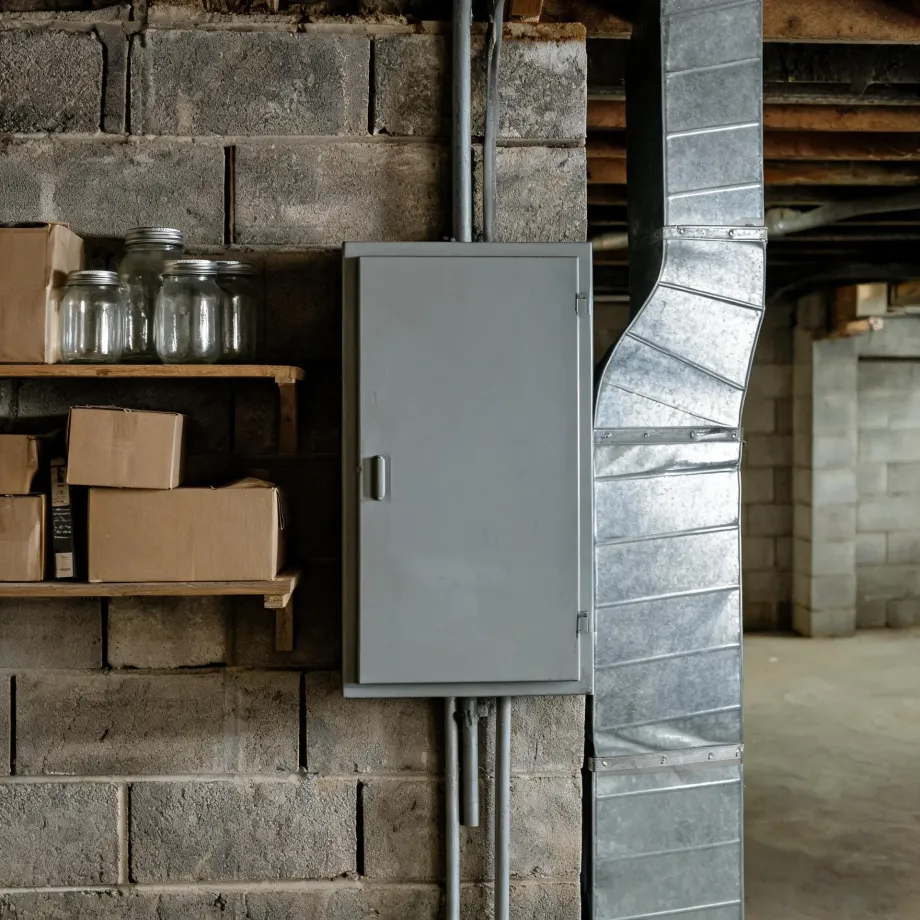
Ductwork laid down for one generation of equipment and patched through several more tells a contractor more about the job ahead than the unit being swapped out does. Half the homes in Allen County, Kansas were built in 1965 or earlier (2020-2024 ACS 5-year). That puts the real question on the existing runs: whether the venting path a new water heater needs is what is already there, or whether it has to be rebuilt to match. A contractor scoping the job here opens the mechanical space and traces what is actually in the wall before anything else gets priced.
The Parts of a Water Heater a Contractor Installs
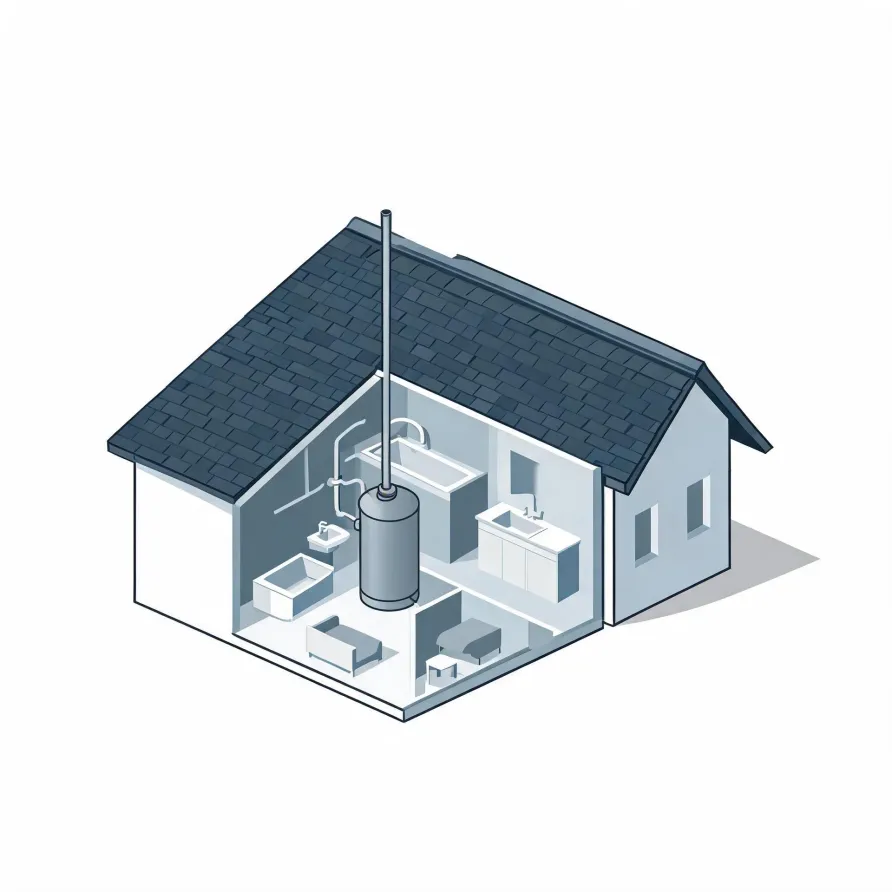
The storage tank is the piece most homeowners already know. It sits in a utility room, basement, or garage and holds a supply of water kept ready at temperature. Attached to the tank are the inlet and outlet connections, which bring cold water in and send hot water out to every fixture in the house.
The pressure relief valve mounts directly on the tank and opens if pressure inside climbs too high, making it a required part of any installation. The flue or exhaust vent runs from the tank up and out of the house, carrying combustion gases away from living spaces when the unit is gas-fired.
The drawing shows a typical layout, and a licensed contractor determines exactly what applies to your home's configuration.
Find a contractor in Allen CountyAllen County, Kansas, by the numbers
108 severe weather events were recorded in Allen County, Kansas between 2015 and 2024.
NOAA National Centers for Environmental Information, Storm Events Database, bulk CSV export, events 2015-01-01 through 2024-12-31.Half the homes in Allen County, Kansas were built in 1965 or earlier (2020-2024 ACS 5-year).
U.S. Census Bureau, 2020-2024 American Community Survey 5-Year EstimatesAllen County, Kansas holds 6,077 housing units (2020-2024 ACS 5-year).
U.S. Census Bureau, 2020-2024 American Community Survey 5-Year EstimatesOwners occupy 75.4% of the occupied homes in Allen County, Kansas (2020-2024 ACS 5-year).
U.S. Census Bureau, 2020-2024 American Community Survey 5-Year EstimatesSevere Weather Events in Allen County
Extreme weather puts a hard load on water heating equipment, shortening service life and driving up energy use when a unit is already working against the conditions outside. How often that pressure shows up in Allen County shapes what a water heater here needs to handle.
108 severe weather events, 2015–2024. Source: NOAA National Centers for Environmental Information, Storm Events Database.