Tell us about the job
Takes about a minute. No obligation.
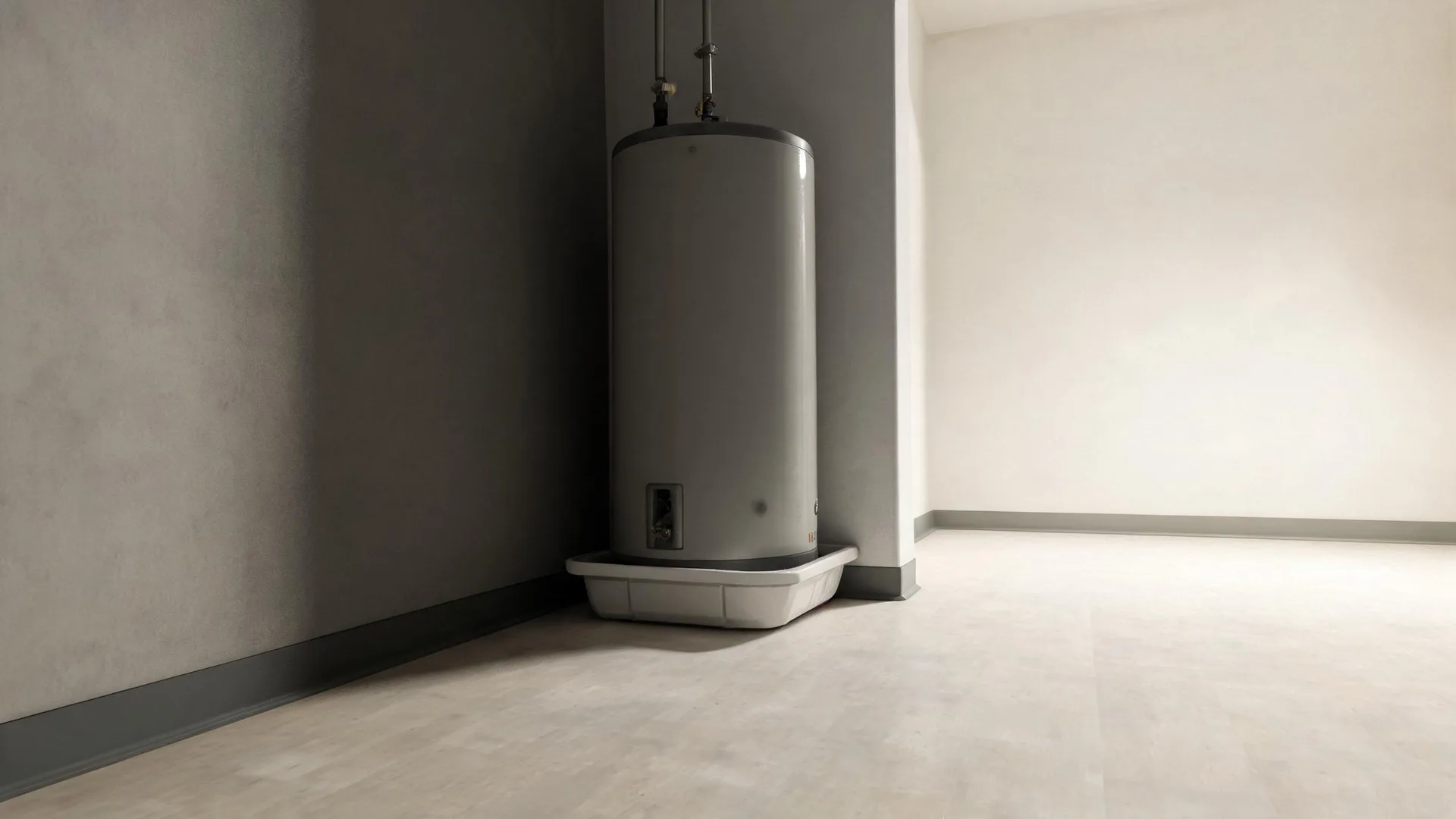
Gas-fired water heaters share flue paths and combustion air with furnaces, and in a home where both run on utility gas, those systems compete. Utility gas heats more occupied homes in Geary County, Kansas than any other fuel, at 50.2% (2020-2024 ACS 5-year). A contractor quoting a replacement here starts by checking what the existing vent serves and whether the available combustion air can support the new unit at its rated input. Get that wrong and the burner runs rich, the flue backdrafts, or the new heater short-cycles from the start. Fuel type decides the venting rules, and venting rules decide what a replacement is allowed to be.
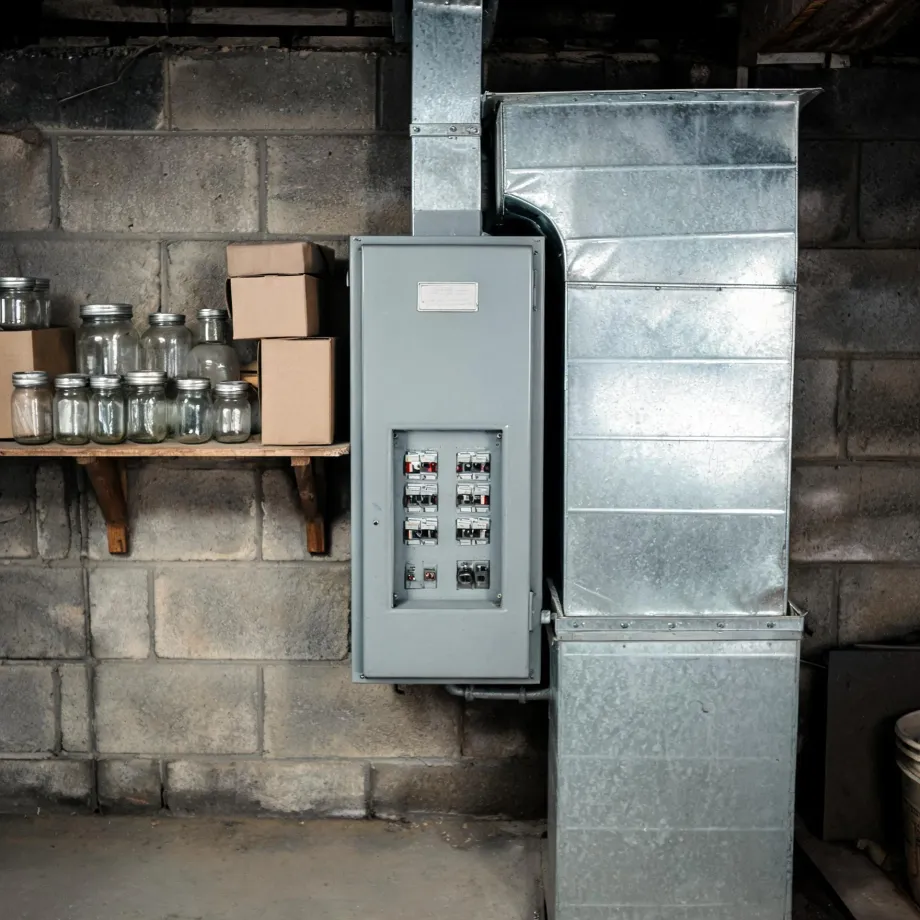
Electrical runs and connections in a house of this vintage were put in for equipment that has since been replaced, often more than once, and what remains may not match what a new water heater actually requires. Half the homes in Geary County, Kansas were built in 1987 or earlier (2020-2024 ACS 5-year). That gap between the original build and the current installation is where a contractor spends time: checking what the existing supply can carry, tracing where connections land, and determining whether any of it stays or all of it gets replaced. The ductwork and wiring a homeowner cannot see are what set the scope.
What a Water Heater Installation Covers
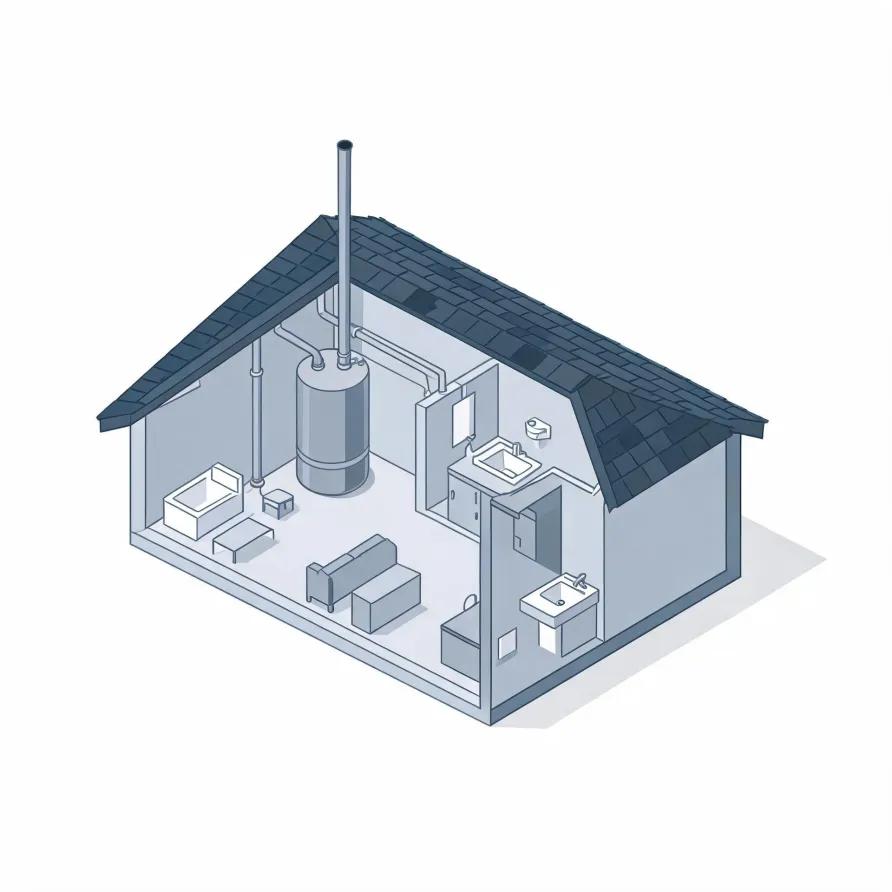
The tank or unit itself sits in a utility space, basement, or dedicated closet and holds the water that gets heated and drawn through the house. Attached directly to it are the inlet and outlet connections, the pressure relief valve, and the drain valve, each positioned at the unit itself.
The supply lines run from the unit to the plumbing throughout the house, and the flue or venting pipe exits through a wall or ceiling to carry exhaust safely out. A temperature and pressure relief discharge pipe runs alongside the unit as a safety measure, terminating at a safe drain point nearby.
The drawing shows the general layout of these components, and a licensed contractor determines exactly what applies to your house and its existing setup.
Find a contractor in Geary CountyGeary County, by the numbers
173 severe weather events were recorded in Geary County, Kansas between 2015 and 2024.
NOAA National Centers for Environmental Information, Storm Events Database, bulk CSV export, events 2015-01-01 through 2024-12-31.Half the homes in Geary County, Kansas were built in 1987 or earlier (2020-2024 ACS 5-year).
U.S. Census Bureau, 2020-2024 American Community Survey 5-Year EstimatesGeary County, Kansas holds 15,939 housing units (2020-2024 ACS 5-year).
U.S. Census Bureau, 2020-2024 American Community Survey 5-Year EstimatesOwners occupy 43.5% of the occupied homes in Geary County, Kansas (2020-2024 ACS 5-year).
U.S. Census Bureau, 2020-2024 American Community Survey 5-Year EstimatesSevere Weather Events in Geary County
Kansas weather puts real demand on water heating equipment, and Geary County gets its share of what the plains can deliver. How hard the local climate runs a system shapes what a contractor specifies and how it gets installed.
173 severe weather events, 2015–2024. Source: NOAA National Centers for Environmental Information, Storm Events Database.