Tell us about the job
Takes about a minute. No obligation.
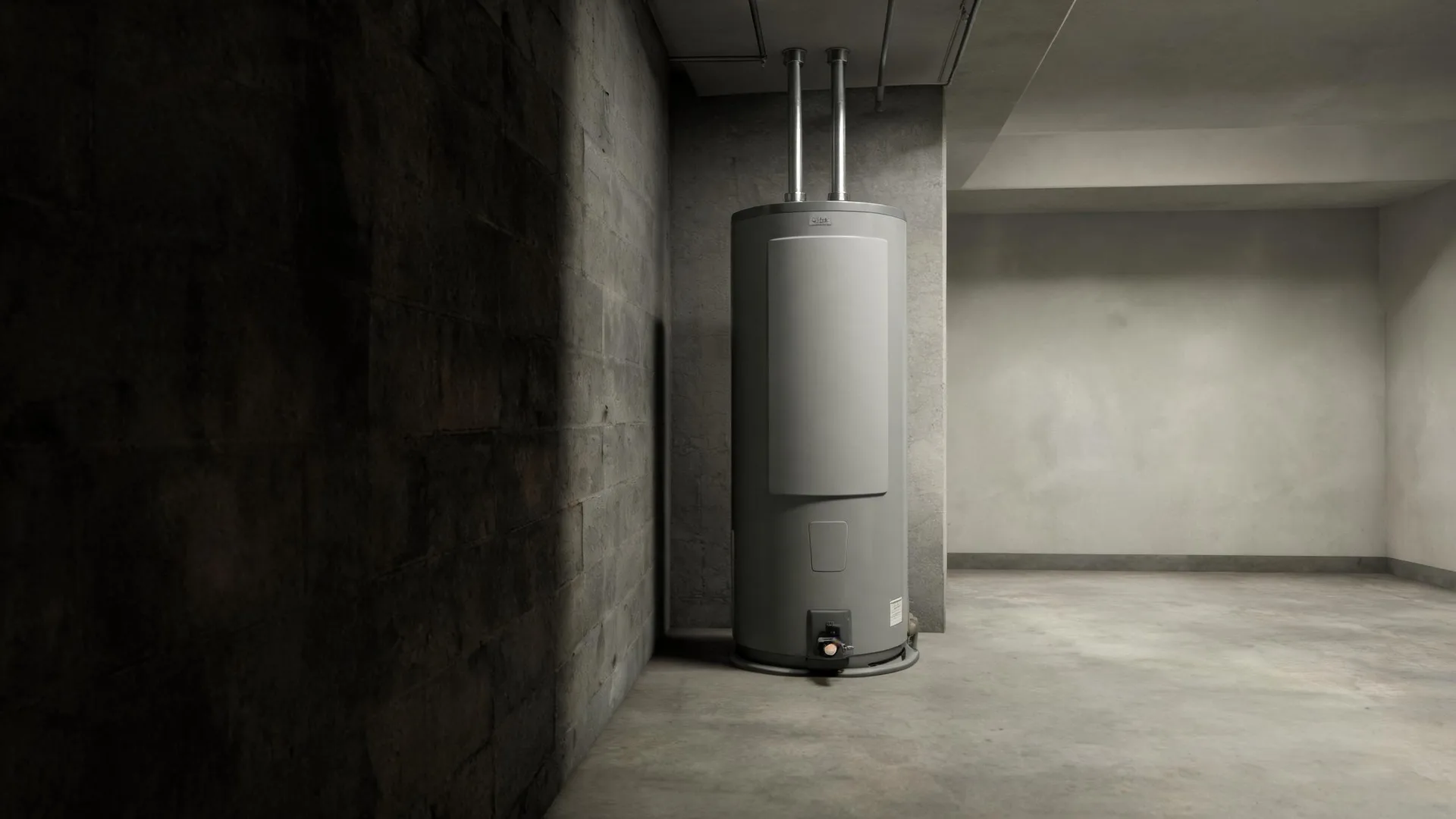
Gas-fired water heaters demand more from an installation than swapping one tank for another. Utility gas heats more occupied homes in Franklin County, Kansas than any other fuel, at 50.0% (2020-2024 ACS 5-year). That majority share means most replacements here involve existing flue runs, draft hoods, and combustion air arrangements that a contractor has to inspect and often modify to meet current code. A unit sized correctly but vented into an undersized or deteriorated flue will underperform and can create a carbon monoxide hazard. The contractor works out the venting path first, then specifies the heater around it.
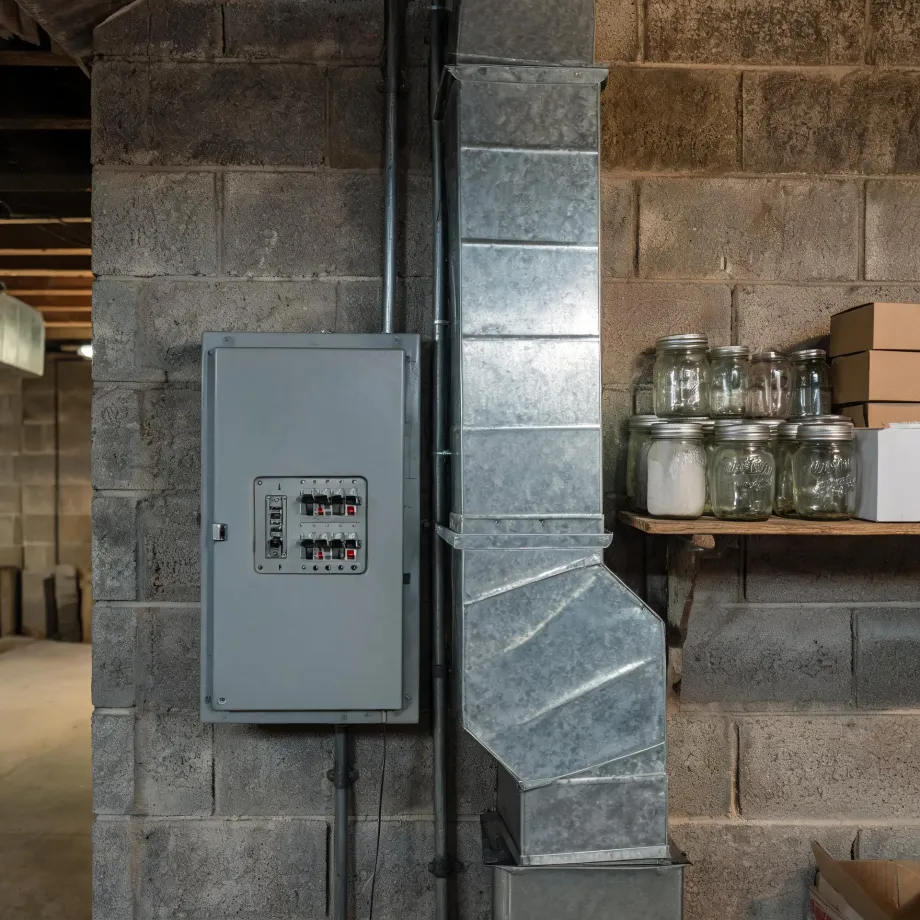
The ductwork and the electrical in a Franklin County house tell a contractor more about the job ahead than the unit being replaced does. Half the homes in Franklin County, Kansas were built in 1975 or earlier (2020-2024 ACS 5-year). That means a large share of the housing here was built around equipment and load assumptions that have since changed, and what runs in those houses now was adapted to fit what was already there. A contractor quoting a water heater installation will open or trace the existing connections to find out what the new unit actually has to work with, because the wiring and the plumbing runs are what set the scope.
What a Water Heater Installation Covers
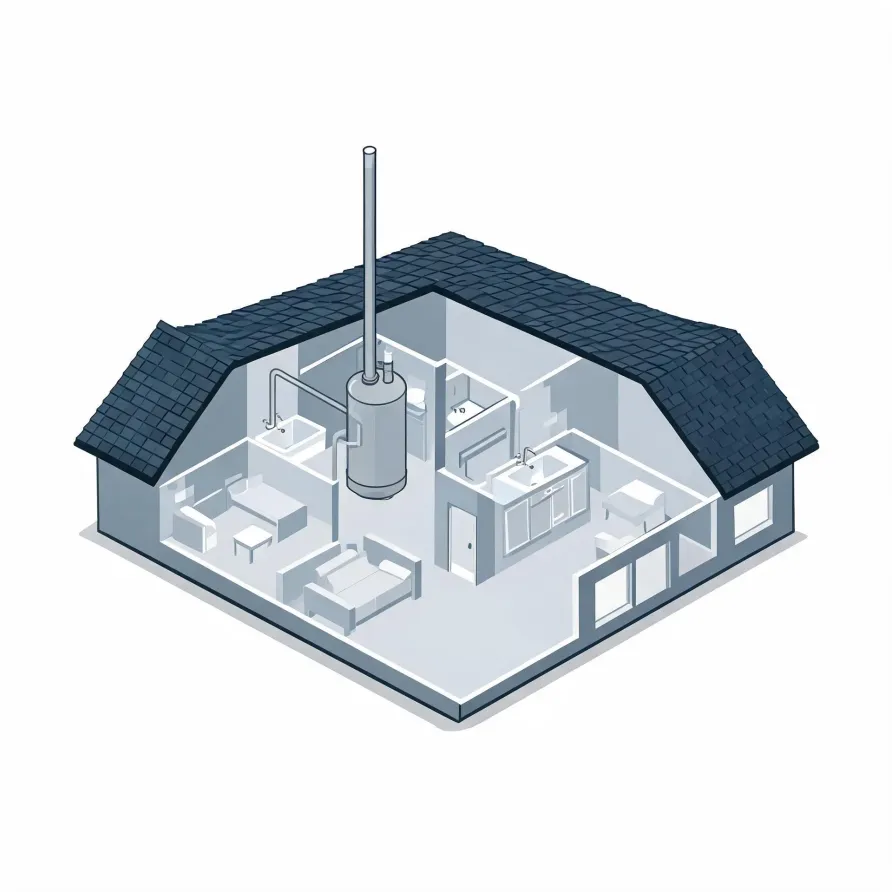
The tank or heating unit is the centerpiece of the system, sitting in a utility room, basement, or garage and holding the water that gets heated for the whole house. Attached directly to it are the inlet and outlet connections, which bring cold water in and send hot water out to every fixture.
A pressure relief valve mounts on the side of the tank and opens automatically if pressure or temperature climbs too high. The supply lines, shut-off valve, and drain line run close by, and a dedicated gas line or electrical connection feeds the unit from its energy source.
The drawing shows a general layout of these components, and a licensed contractor determines what the work involves in your specific home.
Find a contractor in Franklin CountyFranklin County, Kansas, by the numbers
123 severe weather events were recorded in Franklin County, Kansas between 2015 and 2024.
NOAA National Centers for Environmental Information, Storm Events Database, bulk CSV export, events 2015-01-01 through 2024-12-31.Half the homes in Franklin County, Kansas were built in 1975 or earlier (2020-2024 ACS 5-year).
U.S. Census Bureau, 2020-2024 American Community Survey 5-Year EstimatesFranklin County, Kansas holds 11,310 housing units (2020-2024 ACS 5-year).
U.S. Census Bureau, 2020-2024 American Community Survey 5-Year EstimatesOwners occupy 72.2% of the occupied homes in Franklin County, Kansas (2020-2024 ACS 5-year).
U.S. Census Bureau, 2020-2024 American Community Survey 5-Year EstimatesSevere Weather History in Franklin County
Water heaters work harder when the weather swings hard, and Franklin County gets its share of swings. How much strain a unit absorbs over its life is a local question, and the record below is part of that answer.
123 severe weather events, 2015–2024. Source: NOAA National Centers for Environmental Information, Storm Events Database.