Tell us about the job
Takes about a minute. No obligation.
Gas-fired water heater installation in Smith County starts with what the existing setup allows. Utility gas heats more occupied homes in Smith County, Kansas than any other fuel, at 62.5% (2020-2024 ACS 5-year). That fuel share means most homes here already have a flue, a gas line, and a combustion air path sized to an earlier appliance. A contractor checks all three before specifying a replacement, because a new unit with a higher input rating or a different venting style can demand more than the existing infrastructure delivers. The flue diameter, the draft hood clearance, and the gas supply line size all bear on which unit fits the space without modification.
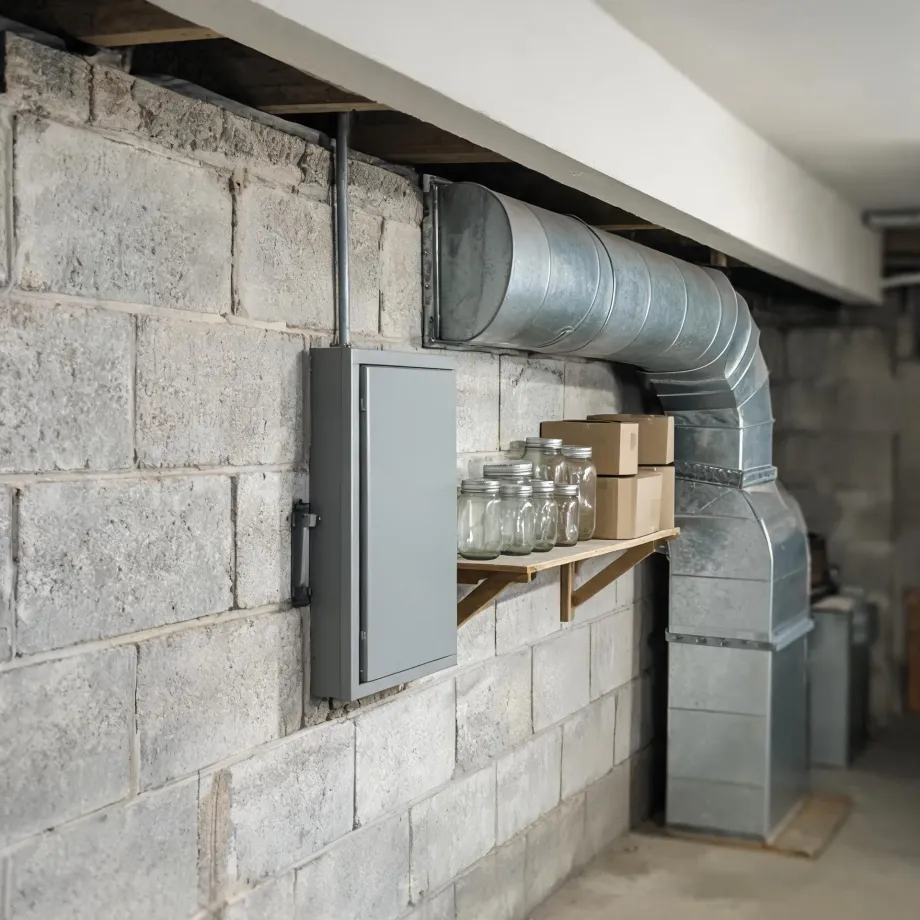
Older electrical panels are sized for what the house originally ran, and water heaters installed today draw more than what those panels were designed to carry. Half the homes in Smith County, Kansas were built in 1954 or earlier (2020-2024 ACS 5-year). A contractor quoting a new unit here checks the service panel before anything else, because undersized wiring is what sends a job back to the planning stage, not the water heater itself. If the panel needs an upgrade, that work gets scheduled and priced before the unit is ever ordered.
What a Water Heater Installation Covers
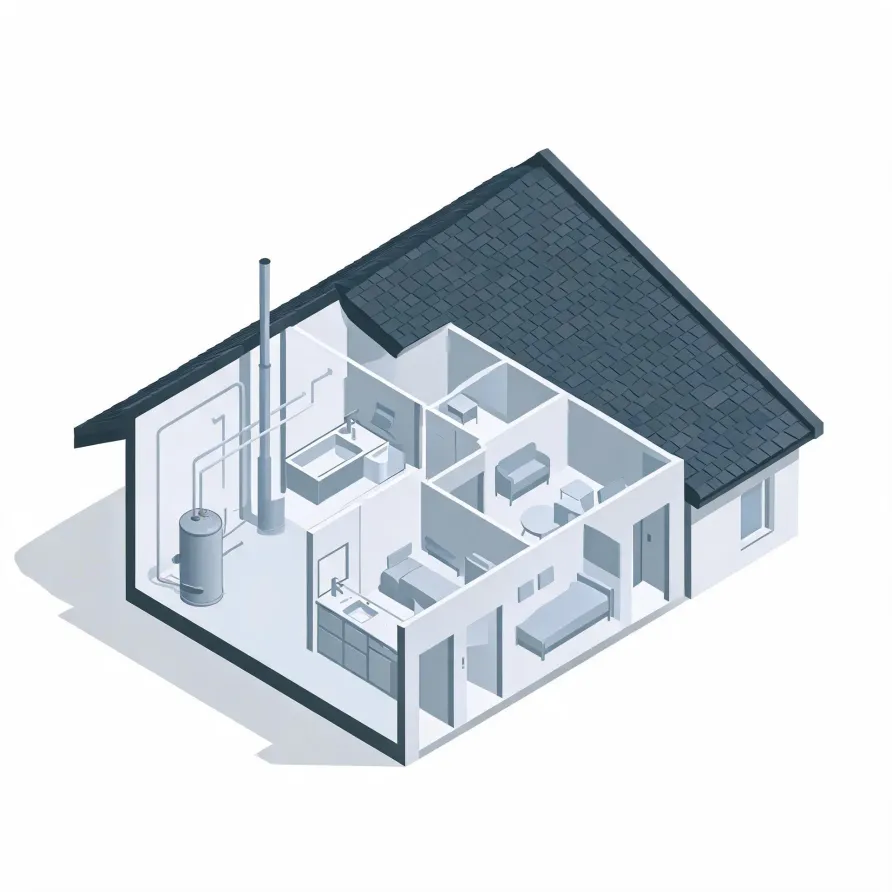
The tank is the piece a homeowner sees first, usually standing in a utility closet, basement, or garage. It holds and heats the water your household draws on. Attached to it are the inlet and outlet connections, which bring cold water in and send hot water to every fixture in the house.
A pressure relief valve mounts directly on the tank and opens if pressure inside climbs too high. The flue or exhaust vent runs from the top of the unit to the outside, carrying combustion gases out of the home. On electric models, two heating elements sit inside the tank in place of a burner assembly.
The drawing shows a representative layout, and a licensed contractor determines what applies to your specific home and setup.
Find a contractor in Smith CountySmith County, Kansas, by the numbers
123 severe weather events were recorded in Smith County, Kansas between 2015 and 2024.
NOAA National Centers for Environmental Information, Storm Events Database, bulk CSV export, events 2015-01-01 through 2024-12-31.Half the homes in Smith County, Kansas were built in 1954 or earlier (2020-2024 ACS 5-year).
U.S. Census Bureau, 2020-2024 American Community Survey 5-Year EstimatesSmith County, Kansas holds 2,024 housing units (2020-2024 ACS 5-year).
U.S. Census Bureau, 2020-2024 American Community Survey 5-Year EstimatesOwners occupy 84.8% of the occupied homes in Smith County, Kansas (2020-2024 ACS 5-year).
U.S. Census Bureau, 2020-2024 American Community Survey 5-Year EstimatesSevere Weather History in Smith County
Weather in Smith County puts real demands on water heating equipment. How hard that equipment works, and how long it lasts, depends in part on what conditions it is built to handle here.
123 severe weather events, 2015–2024. Source: NOAA National Centers for Environmental Information, Storm Events Database.