Tell us about the job
Takes about a minute. No obligation.
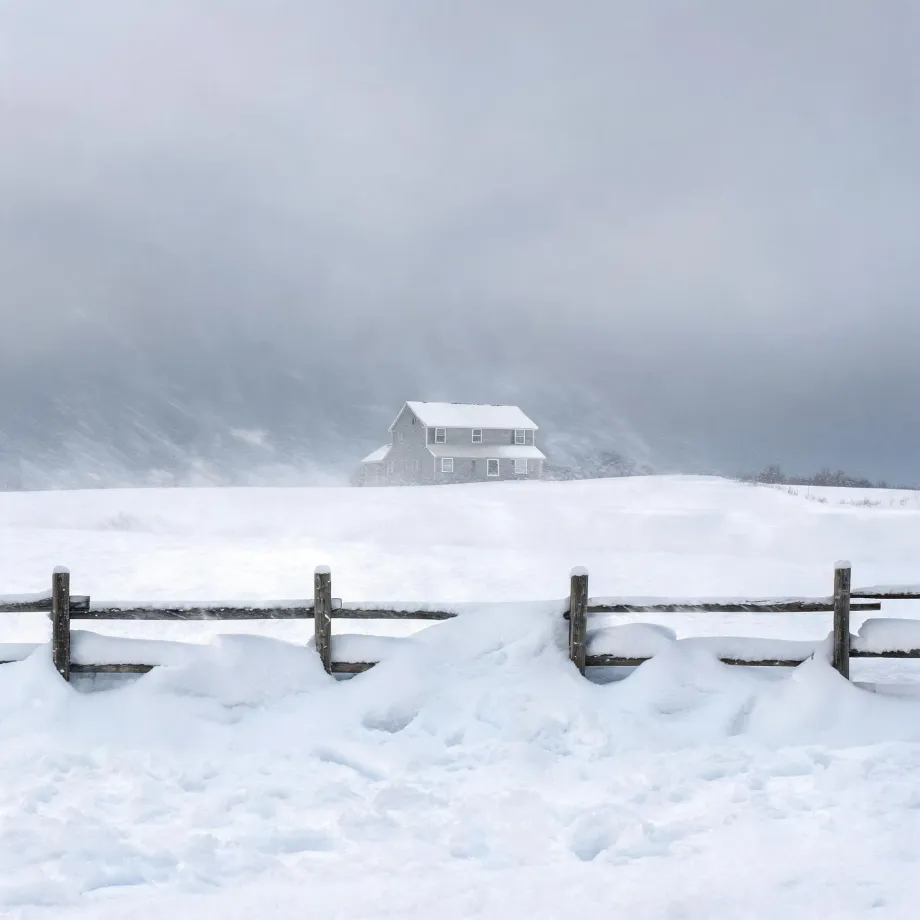
Gas-fired water heaters run every month of the year, not just through a heating season, and the burner, ignition components, and heat exchanger accumulate wear continuously. Utility gas heats more occupied homes in Smith County, Kansas than any other fuel, at 62.5% (2020-2024 ACS 5-year). A contractor diagnosing a failing water heater here starts with the combustion side: the thermocouple, the gas valve, and the condition of the burner ports, because those are the parts that cycle daily on the fuel that nearly two in three homes depend on. Venting condition matters too, since a blocked or degraded flue on a gas unit puts combustion byproducts somewhere they should not go.
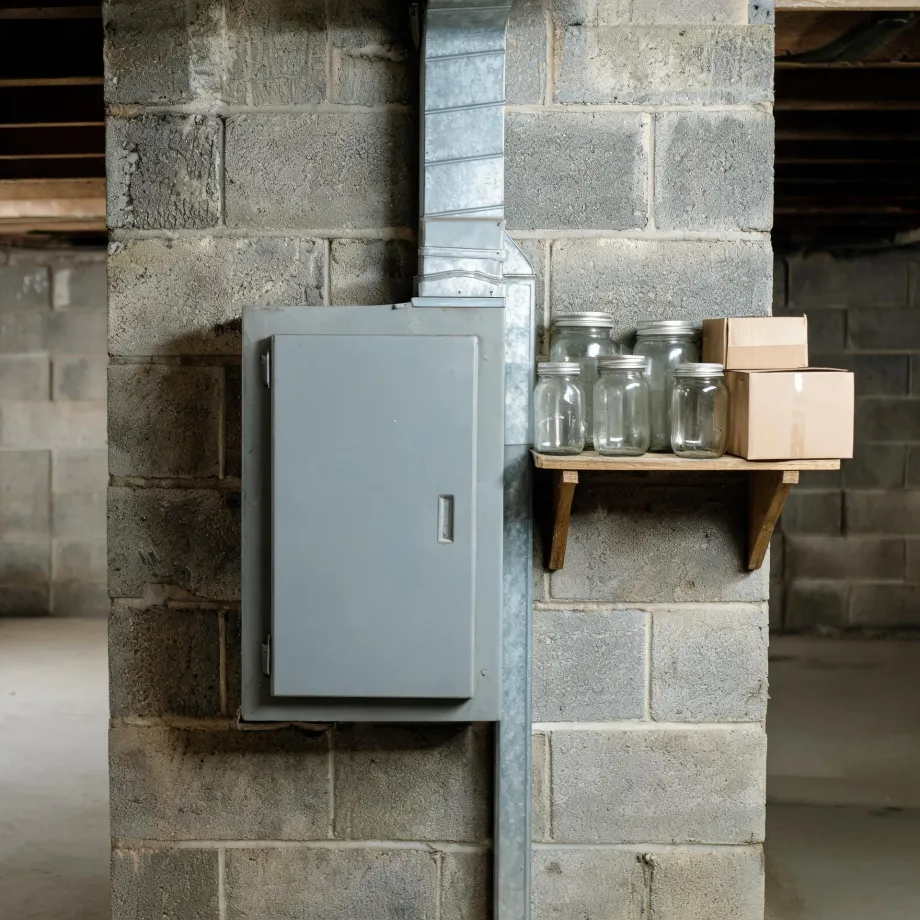
Water heater repair in houses this old tends to run past the unit itself. Half the homes in Smith County, Kansas were built in 1954 or earlier (2020-2024 ACS 5-year). Plumbing that has served multiple generations of equipment often turns up corroded supply connections, mineral-choked lines, and pressure relief valves that have never been touched. A contractor who opens the water heater in a house like this finds that the valve or element is rarely the whole story. Sediment buildup alone can make a repair that looks straightforward take considerably longer.
The Parts of a Water Heater a Contractor Checks During Repair
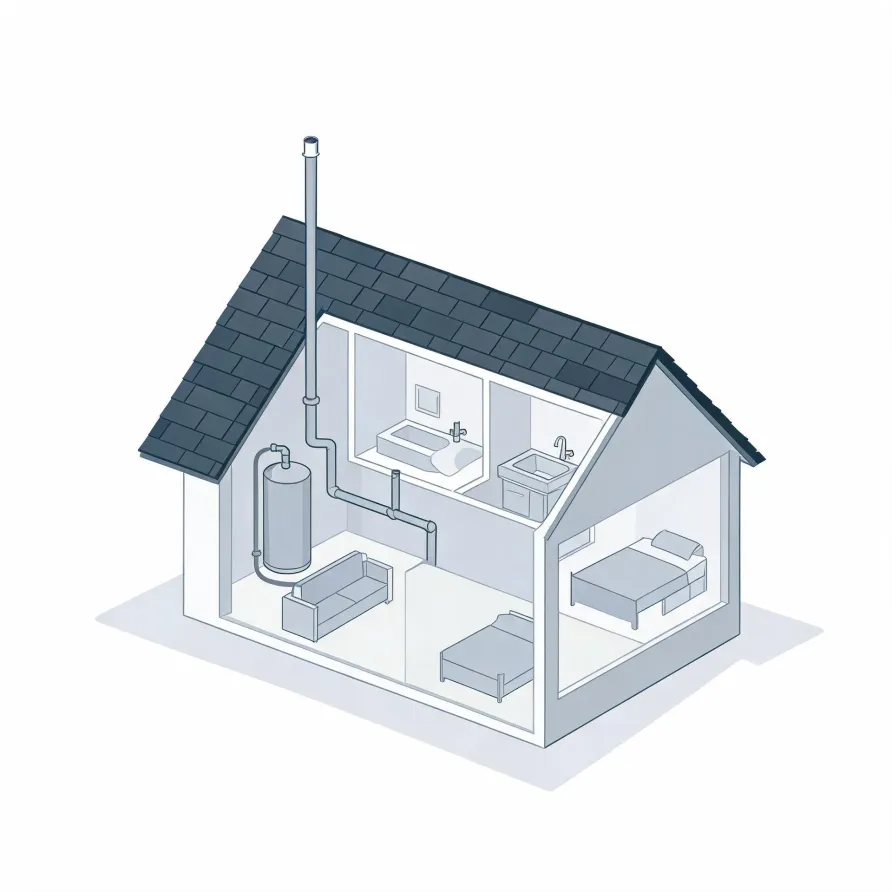
The tank is the piece most homeowners recognize, a large insulated vessel that sits in a utility room, garage, or basement and holds a supply of heated water. The burner assembly or heating element sits at the base of the tank and is what raises water to the set temperature. When either of those is the problem, hot water stops arriving or arrives inconsistently.
The thermostat controls what temperature the heating element or burner targets, and a faulty one often reads as the same symptom as a failed element. The pressure relief valve mounts to the tank's side and is a safety device that a contractor inspects whenever anything else in the system is opened up. The anode rod runs down through the tank interior and slows corrosion from the inside out, and its condition tells a contractor a great deal about how the tank itself is holding up.
The drawing shows a general layout of these components, and a licensed contractor determines which parts apply to the specific equipment and installation in your home.
Find a contractor in Smith CountySmith County, Kansas, by the numbers
123 severe weather events were recorded in Smith County, Kansas between 2015 and 2024.
NOAA National Centers for Environmental Information, Storm Events Database, bulk CSV export, events 2015-01-01 through 2024-12-31.Half the homes in Smith County, Kansas were built in 1954 or earlier (2020-2024 ACS 5-year).
U.S. Census Bureau, 2020-2024 American Community Survey 5-Year EstimatesSmith County, Kansas holds 2,024 housing units (2020-2024 ACS 5-year).
U.S. Census Bureau, 2020-2024 American Community Survey 5-Year EstimatesOwners occupy 84.8% of the occupied homes in Smith County, Kansas (2020-2024 ACS 5-year).
U.S. Census Bureau, 2020-2024 American Community Survey 5-Year EstimatesSevere Weather Events in Smith County
Weather puts real stress on water heaters, pushing them through demand swings and power disruptions that wear components faster than steady conditions do. How much of that pressure a unit faces depends on where it sits, and Smith County has its own record.
123 severe weather events, 2015–2024. Source: NOAA National Centers for Environmental Information, Storm Events Database.