Tell us about the job
Takes about a minute. No obligation.
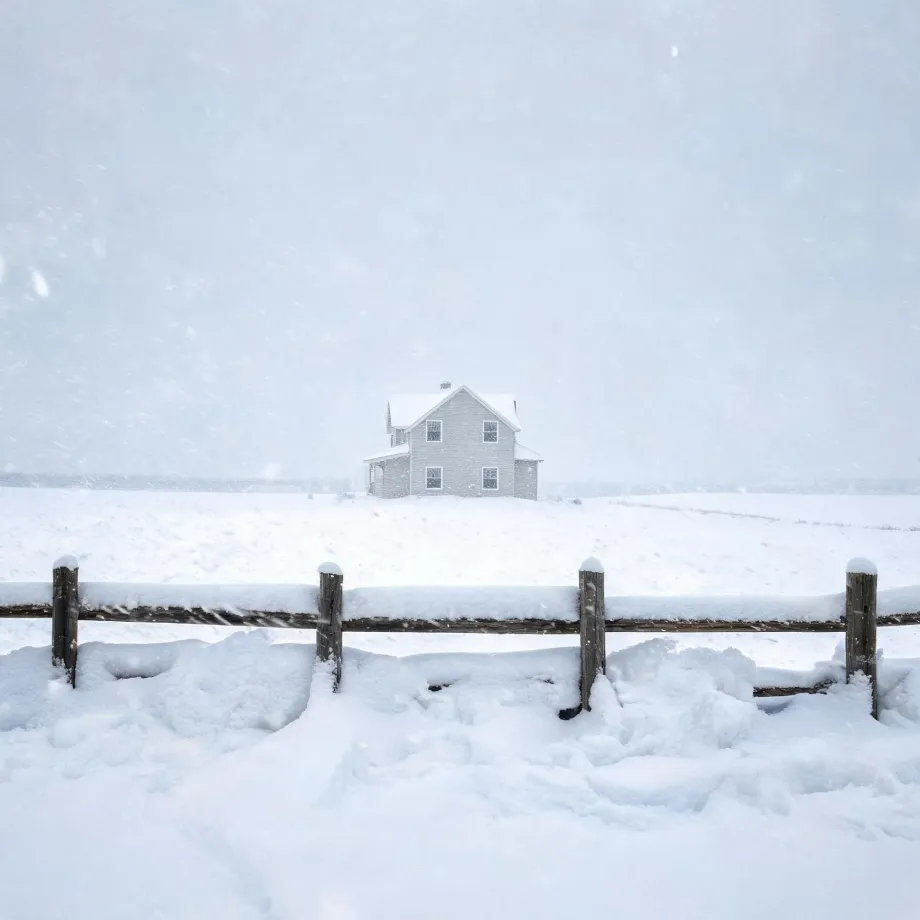
Gas-fired water heaters cycle their burners and igniters every time the tank drops below temperature, which in an occupied home happens many times a day, every day of the year. Utility gas heats more occupied homes in Wilson County, Kansas than any other fuel, at 57.0% (2020-2024 ACS 5-year). A contractor diagnosing a failed unit here checks the thermocouple, the gas valve, and the burner orifice before anything else, because those parts absorb the most cycles. Venting integrity matters too: gas combustion leaves residue, and a flue that has partially blocked will push a unit into repeated lockouts before it fails outright.
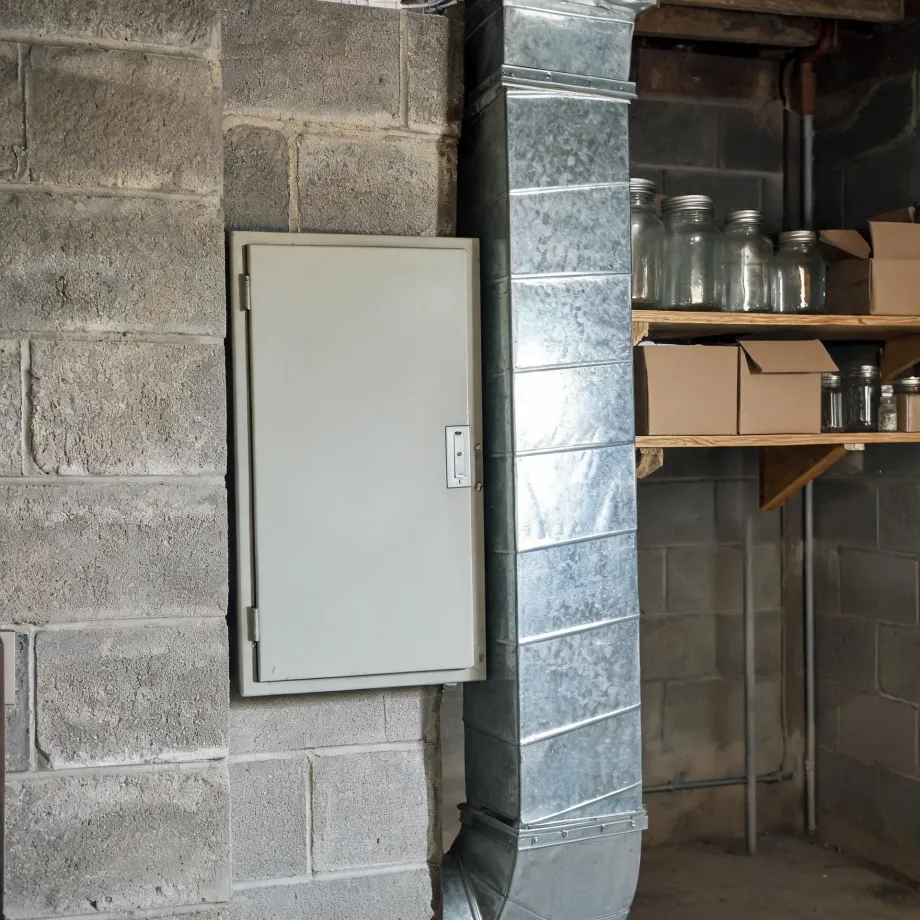
Half the homes in Wilson County, Kansas were built in 1965 or earlier (2020-2024 ACS 5-year). A water heater that has been running in a house from that era may take parts that are no longer in regular production, and a contractor who finds the fault quickly can still be stopped by a supply chain that no longer stocks what that system needs. The diagnosis is straightforward; sourcing the part is where the job stalls. Contractors working in this county price that possibility before they commit to a repair timeline.
The Parts of a Water Heater a Contractor Checks During a Repair
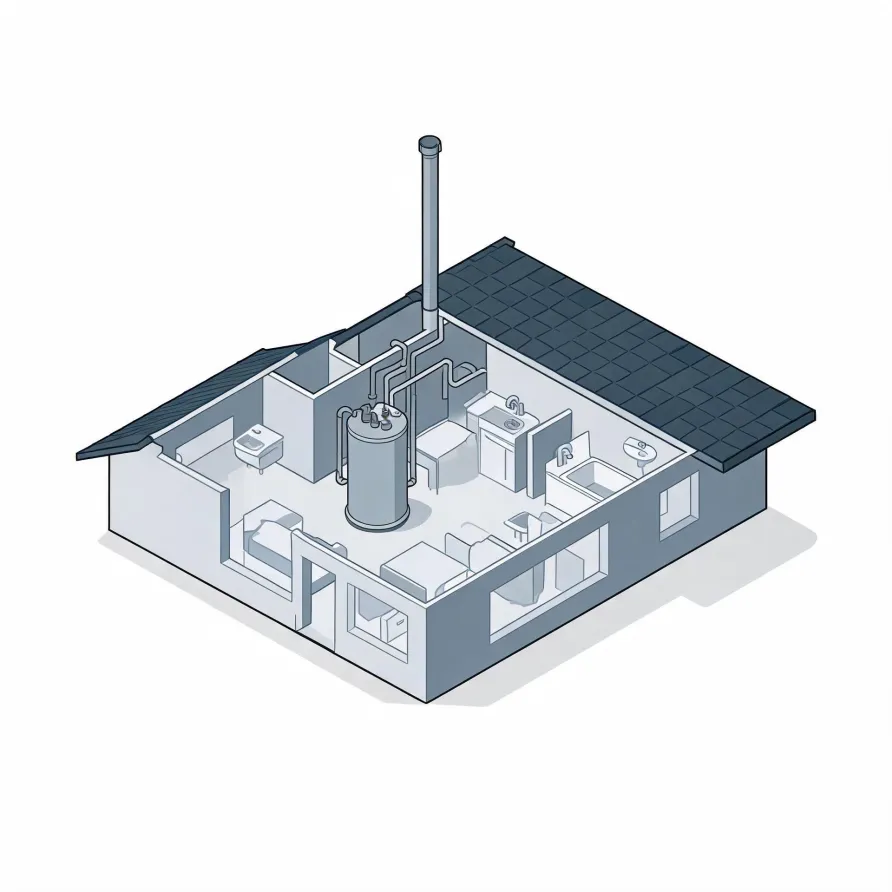
The tank is the piece a homeowner notices first, a large insulated vessel that sits in a utility room, basement, or garage and holds water at a steady temperature ready for use. Mounted on or inside the tank are the heating elements or burner assembly, which do the actual heating work, and the thermostat, which tells them when to run.
The pressure relief valve sits on the side of the tank and releases if pressure or temperature climbs too high. A cold-water inlet pipe and a hot-water outlet pipe connect the tank to the rest of the house, and an anode rod runs down inside the tank to slow corrosion of the metal shell.
The drawing shows a general layout of these components, and a licensed contractor determines what applies to the specific unit and installation in your home.
Find a contractor in Wilson CountyWilson County, Kansas, by the numbers
76 severe weather events were recorded in Wilson County, Kansas between 2015 and 2024.
NOAA National Centers for Environmental Information, Storm Events Database, bulk CSV export, events 2015-01-01 through 2024-12-31.Half the homes in Wilson County, Kansas were built in 1965 or earlier (2020-2024 ACS 5-year).
U.S. Census Bureau, 2020-2024 American Community Survey 5-Year EstimatesWilson County, Kansas holds 4,493 housing units (2020-2024 ACS 5-year).
U.S. Census Bureau, 2020-2024 American Community Survey 5-Year EstimatesOwners occupy 77.7% of the occupied homes in Wilson County, Kansas (2020-2024 ACS 5-year).
U.S. Census Bureau, 2020-2024 American Community Survey 5-Year EstimatesSevere Weather Events in Wilson County
Extreme weather puts real strain on water heaters, forcing the equipment to work harder and recover faster than it would under mild conditions. How much of that strain a unit faces depends on where it sits, and Wilson County has its own record.
76 severe weather events, 2015–2024. Source: NOAA National Centers for Environmental Information, Storm Events Database.