Tell us about the job
Takes about a minute. No obligation.
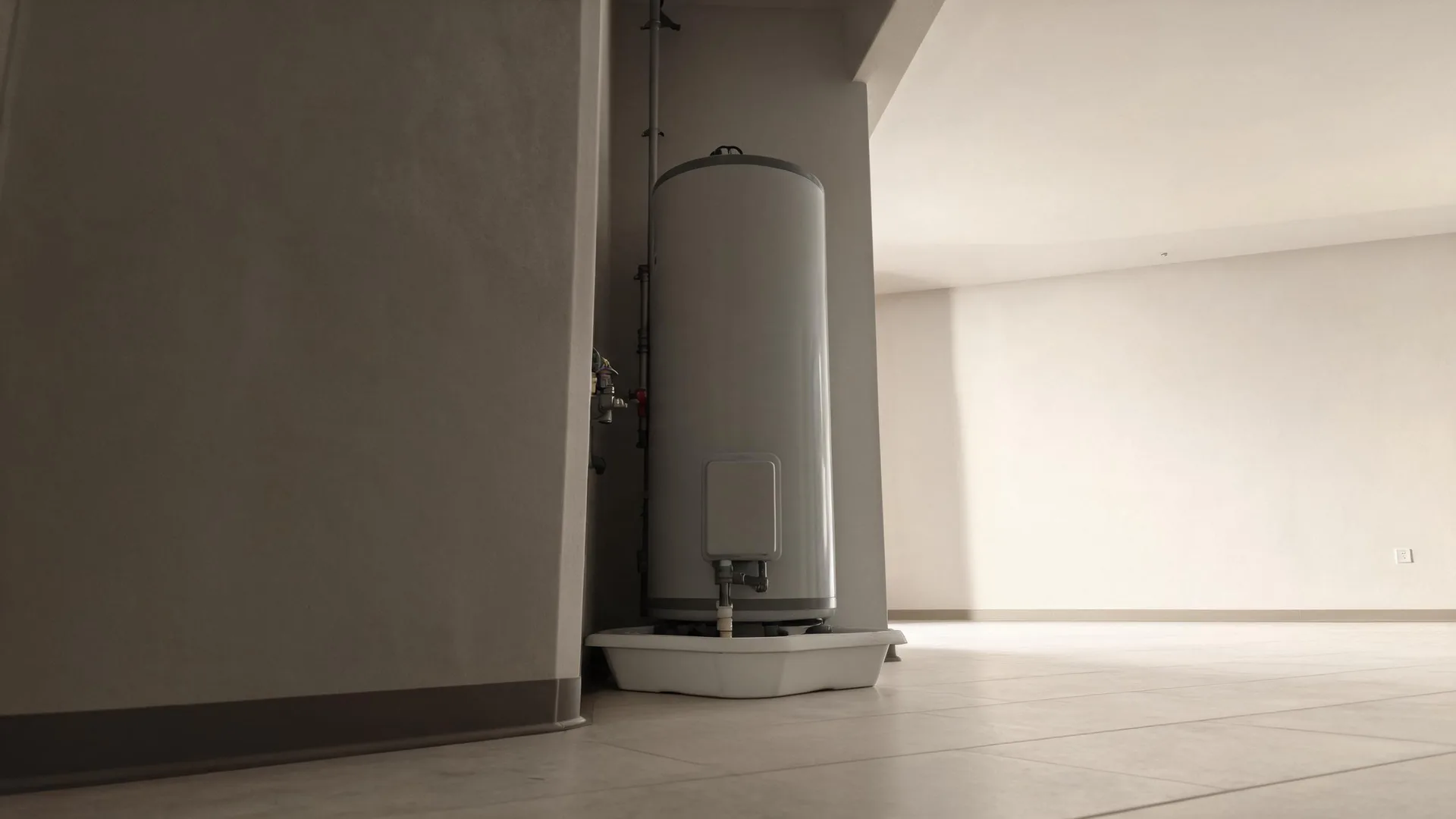
Gas water heaters run every day, not just through a heating season, which means the burner assembly and ignition system never get a long idle stretch to hide developing faults. Utility gas heats more occupied homes in Osborne County, Kansas than any other fuel, at 65.1% (2020-2024 ACS 5-year). With gas so dominant here, contractors working repair calls know the venting path, the combustion air supply, and the thermocouple are where failures concentrate. A corroded pilot assembly or a fouled burner orifice shows up on the bill before the tank itself does.
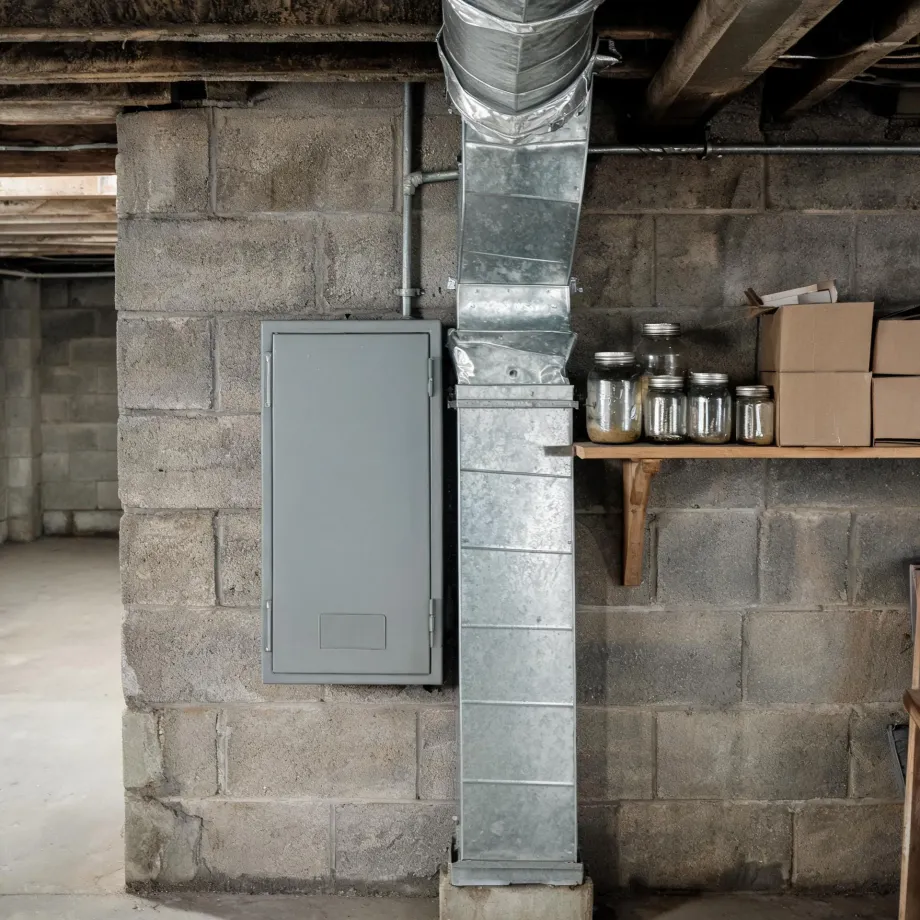
Pipes that have been spliced, connectors that have been swapped out, and pressure relief valves that predate the unit sitting beside them are what a contractor opens up to find in a lot of Osborne County houses. Half the homes in Osborne County, Kansas were built in 1952 or earlier (2020-2024 ACS 5-year). That history of accumulated changes is what drives the repair scope. A water heater that shows a straightforward fault on the outside can turn out to need parts that belong to a different installation entirely once the unit is open, and whether those parts are still made is the question that sets the price.
The Parts of a Water Heater a Contractor Checks During a Repair
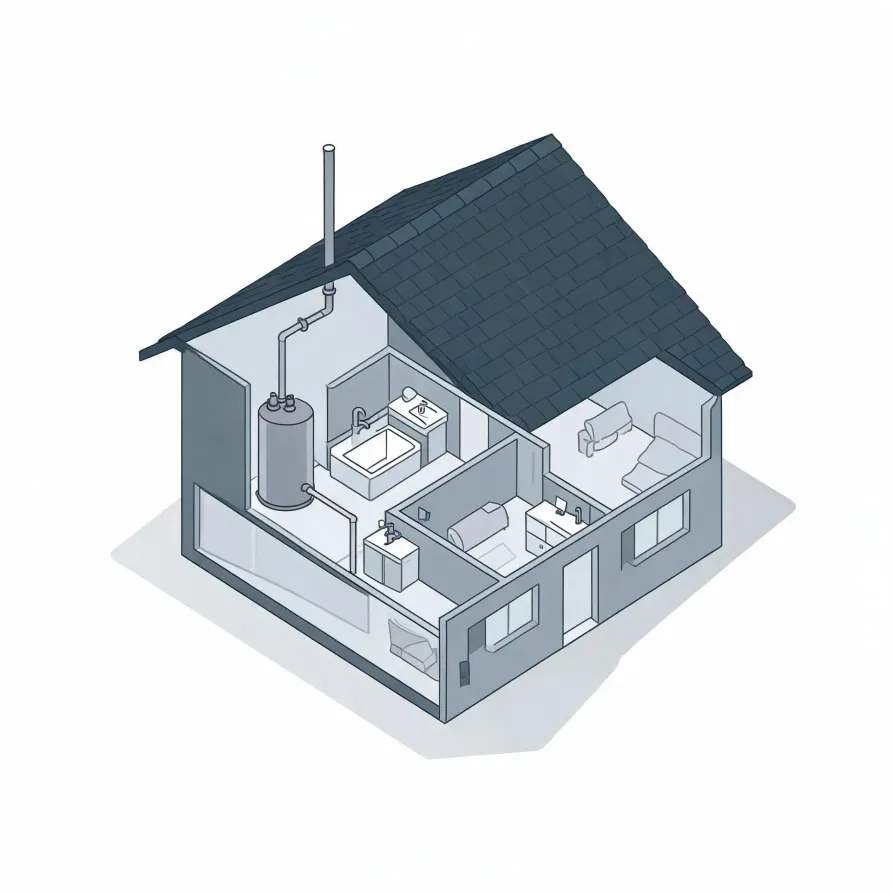
The tank is the center of the system, sitting in a utility room, basement, or closet, and its job is to hold water at a steady temperature so hot water is ready when a tap opens. A failed heating element, a corroded anode rod, or a faulty thermostat inside the tank are where a contractor looks first when the water runs cold or inconsistent.
The pressure relief valve mounts on the side of the tank and releases pressure if the unit runs too hot. The supply and outlet connections sit at the top, and the drain valve at the base lets a contractor flush sediment that has settled and is forcing the unit to work harder than it should.
The drawing shows a general layout of a water heater system, and a licensed contractor determines which parts and conditions apply to your specific home.
Find a contractor in Osborne CountyOsborne County, Kansas, by the numbers
131 severe weather events were recorded in Osborne County, Kansas between 2015 and 2024.
NOAA National Centers for Environmental Information, Storm Events Database, bulk CSV export, events 2015-01-01 through 2024-12-31.Half the homes in Osborne County, Kansas were built in 1952 or earlier (2020-2024 ACS 5-year).
U.S. Census Bureau, 2020-2024 American Community Survey 5-Year EstimatesOsborne County, Kansas holds 2,031 housing units (2020-2024 ACS 5-year).
U.S. Census Bureau, 2020-2024 American Community Survey 5-Year EstimatesOwners occupy 77.2% of the occupied homes in Osborne County, Kansas (2020-2024 ACS 5-year).
U.S. Census Bureau, 2020-2024 American Community Survey 5-Year EstimatesSevere Weather Events in Osborne County
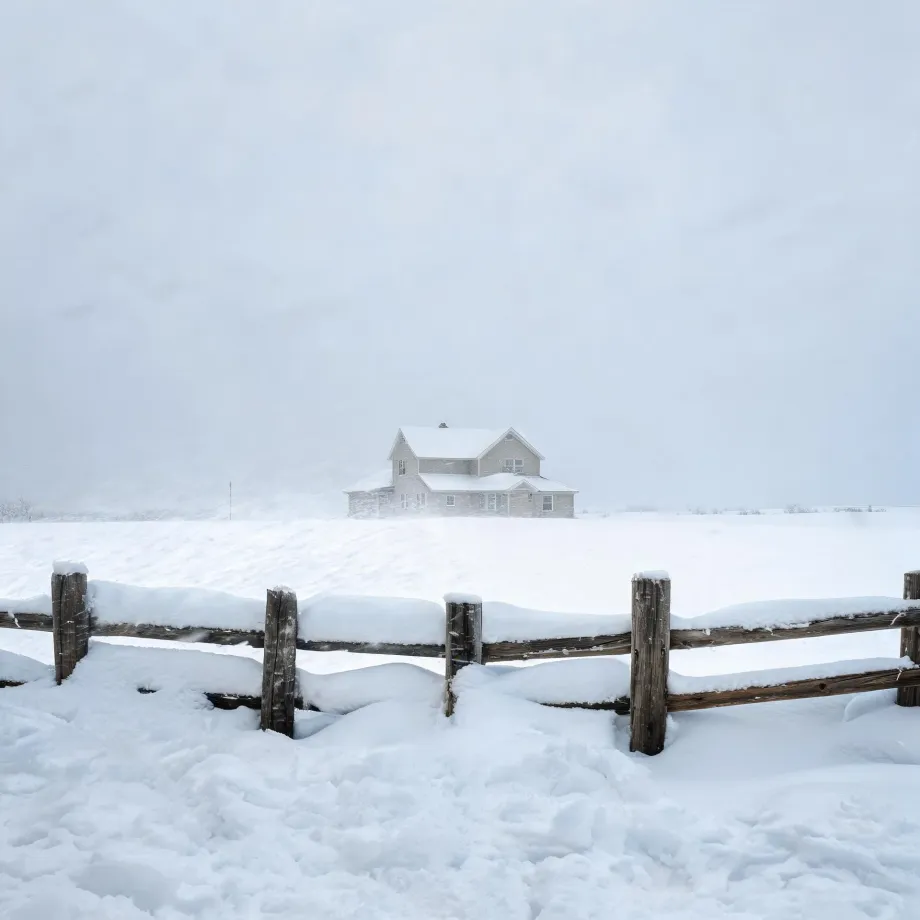
Kansas weather puts real stress on water heaters, pushing them through hard swings that wear components faster than moderate climates do. How much stress depends on where the unit sits, which makes local weather history a useful part of understanding repair demand in Osborne County.
131 severe weather events, 2015–2024. Source: NOAA National Centers for Environmental Information, Storm Events Database.